
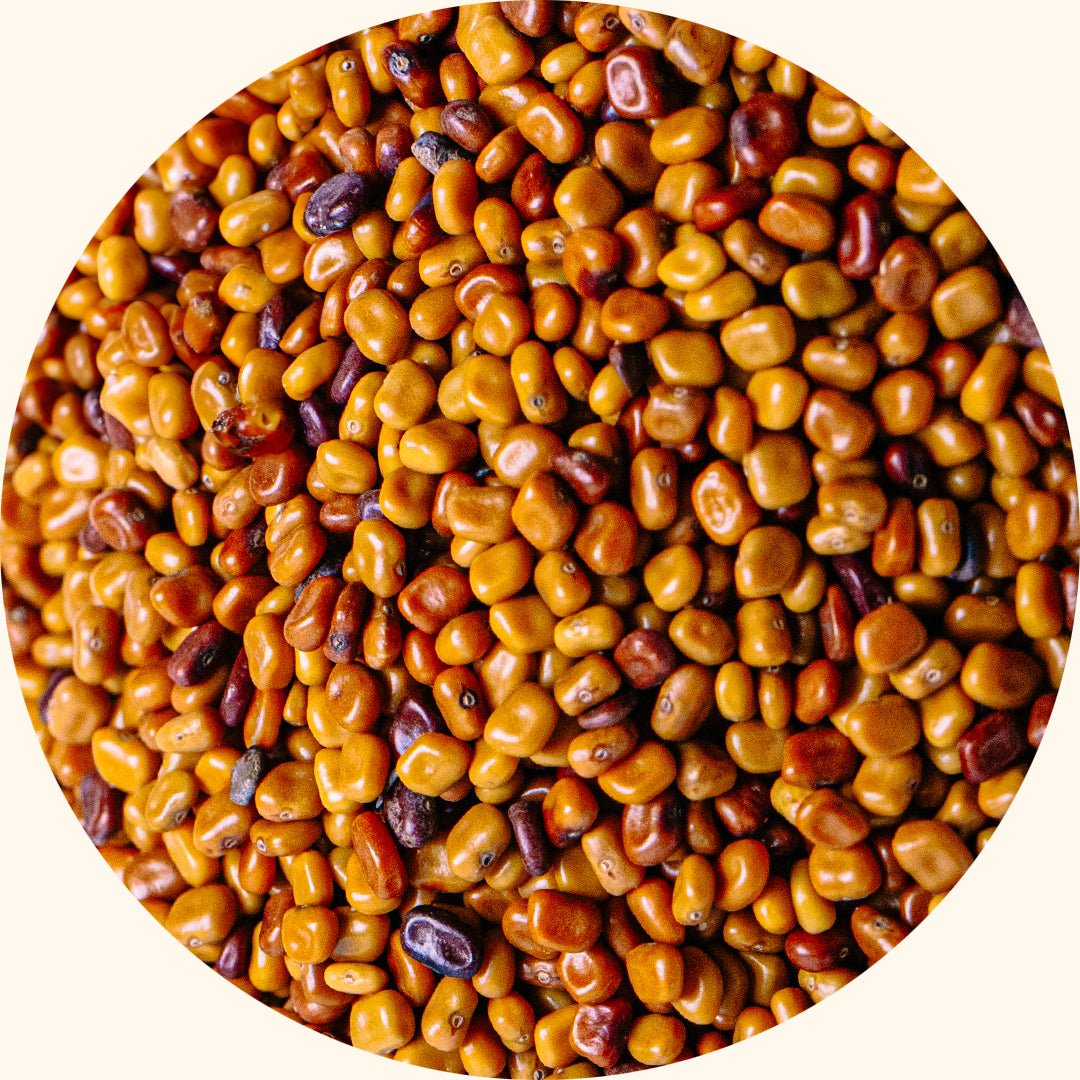
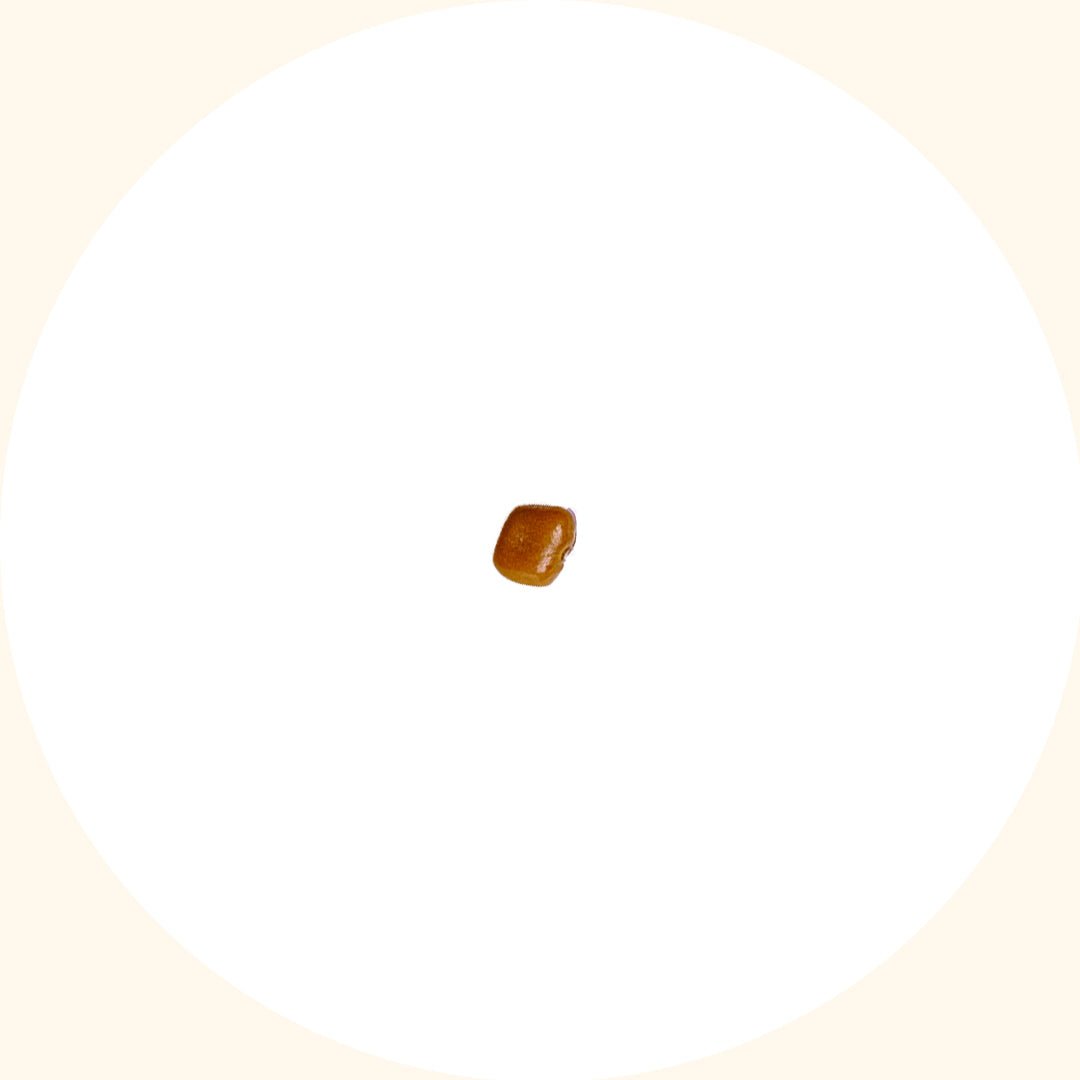
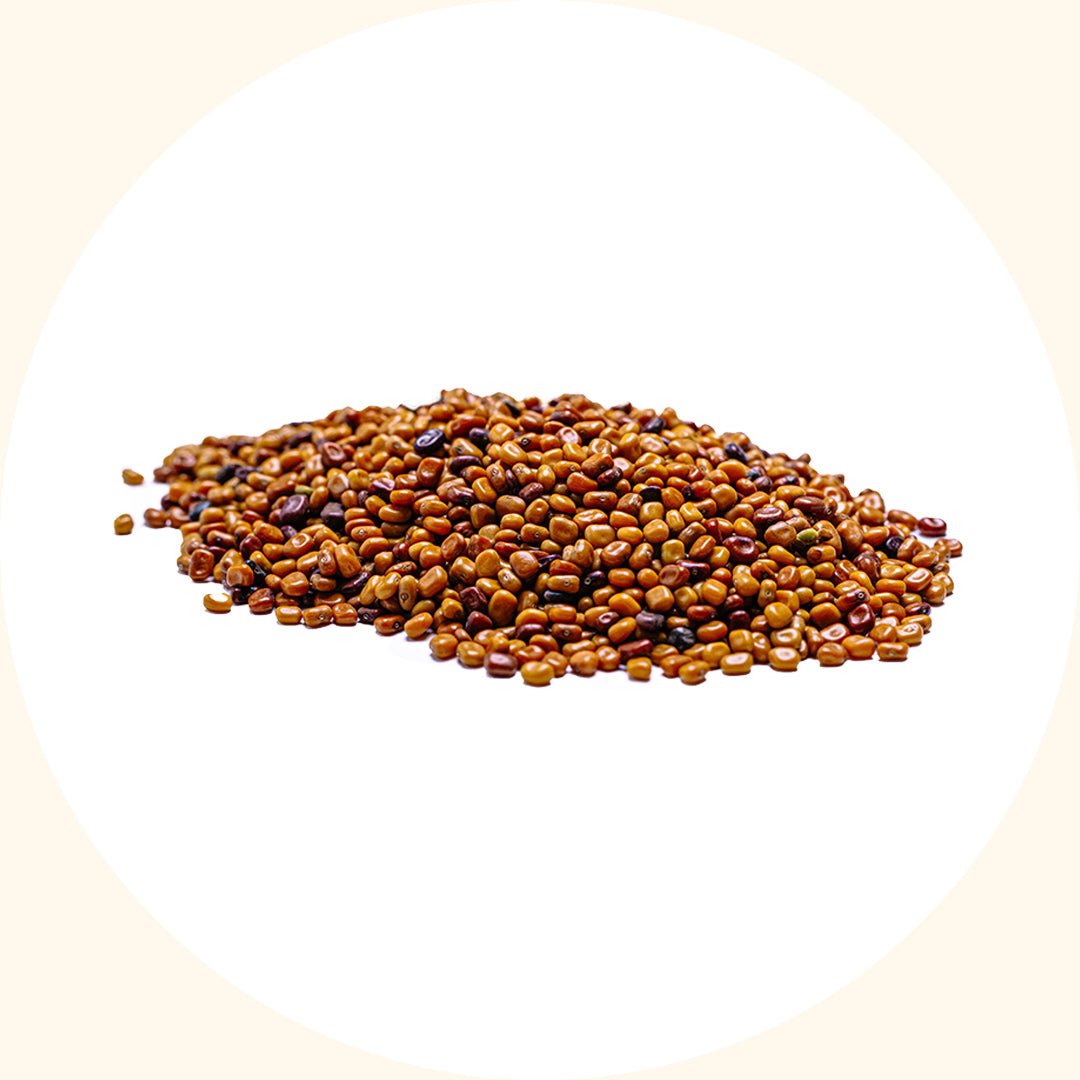
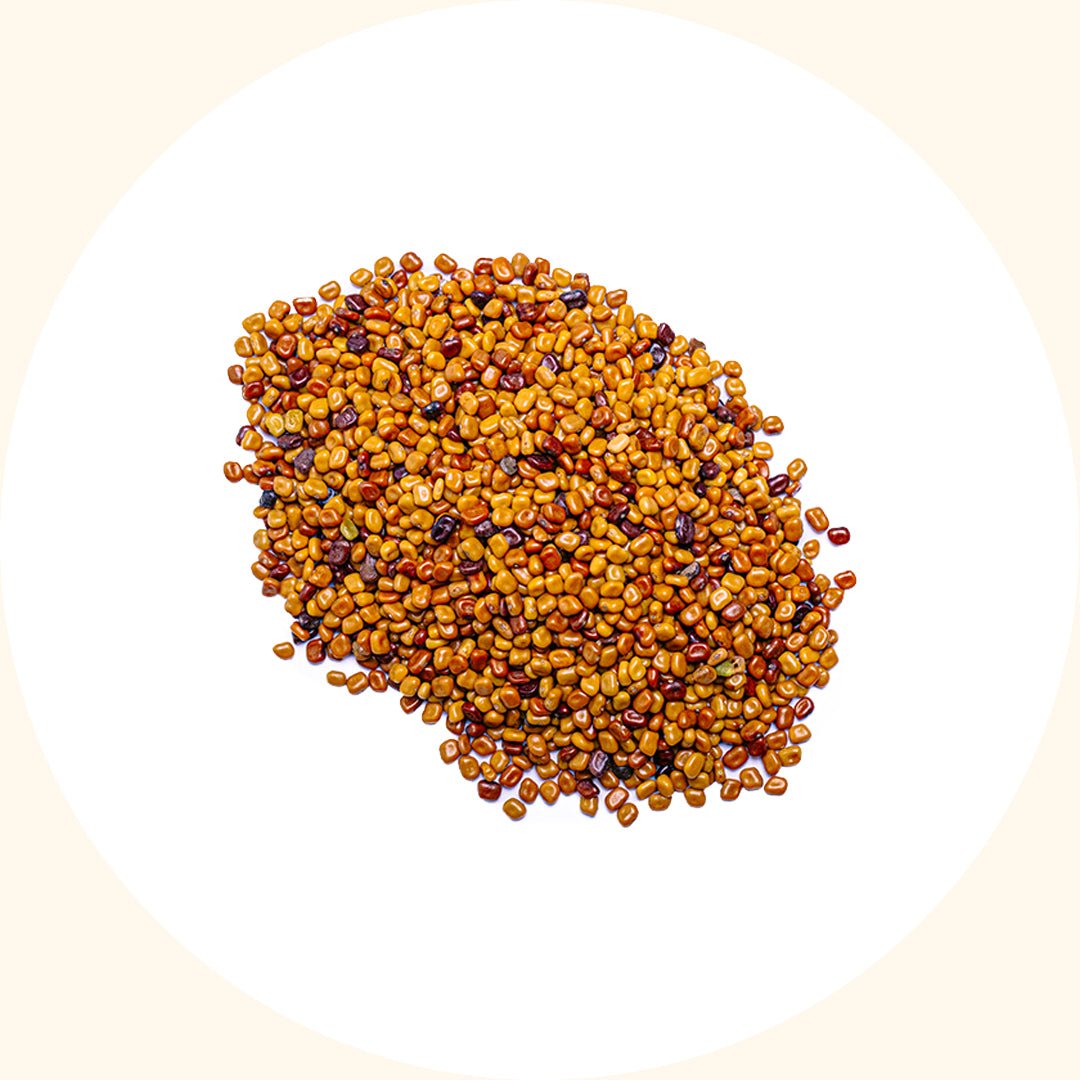
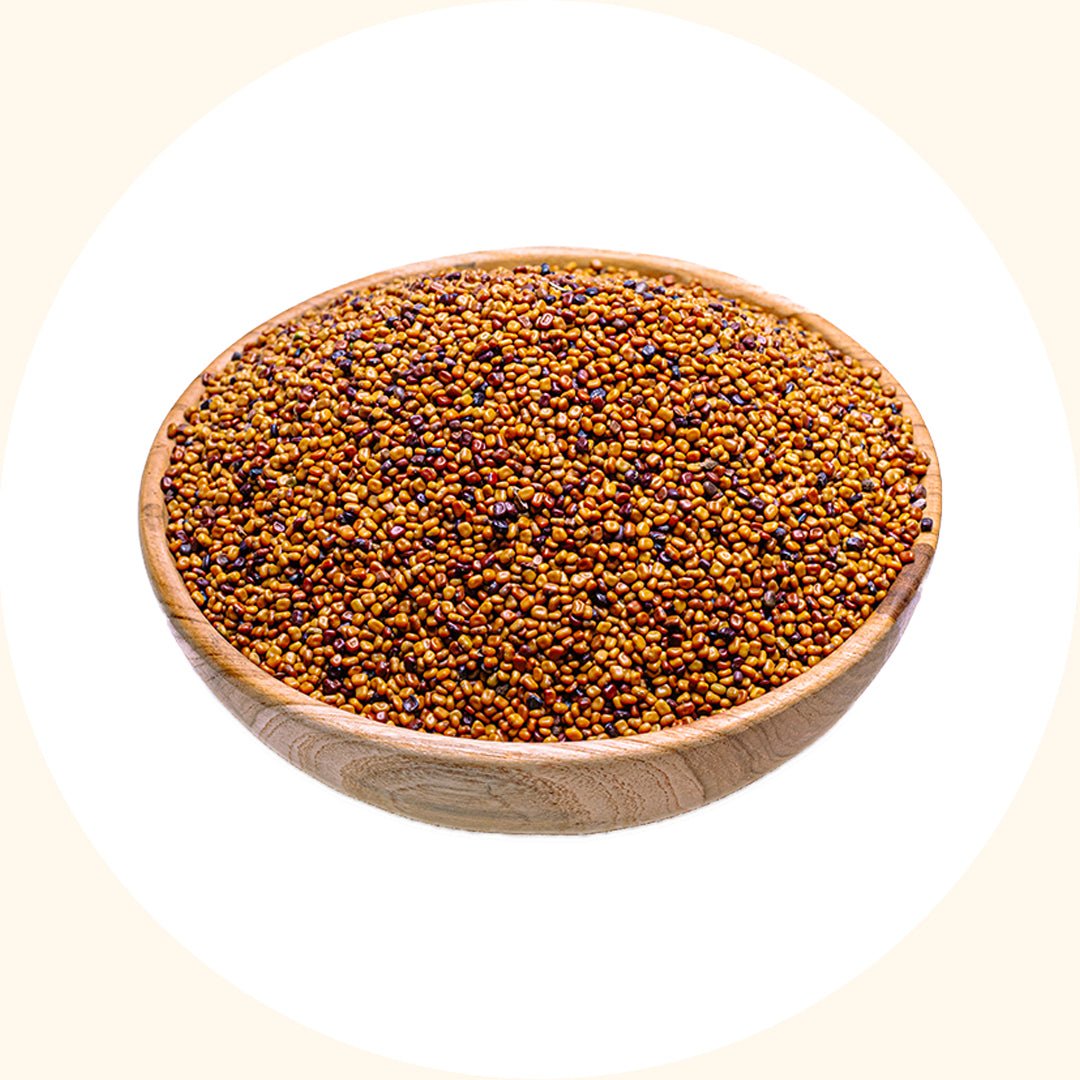
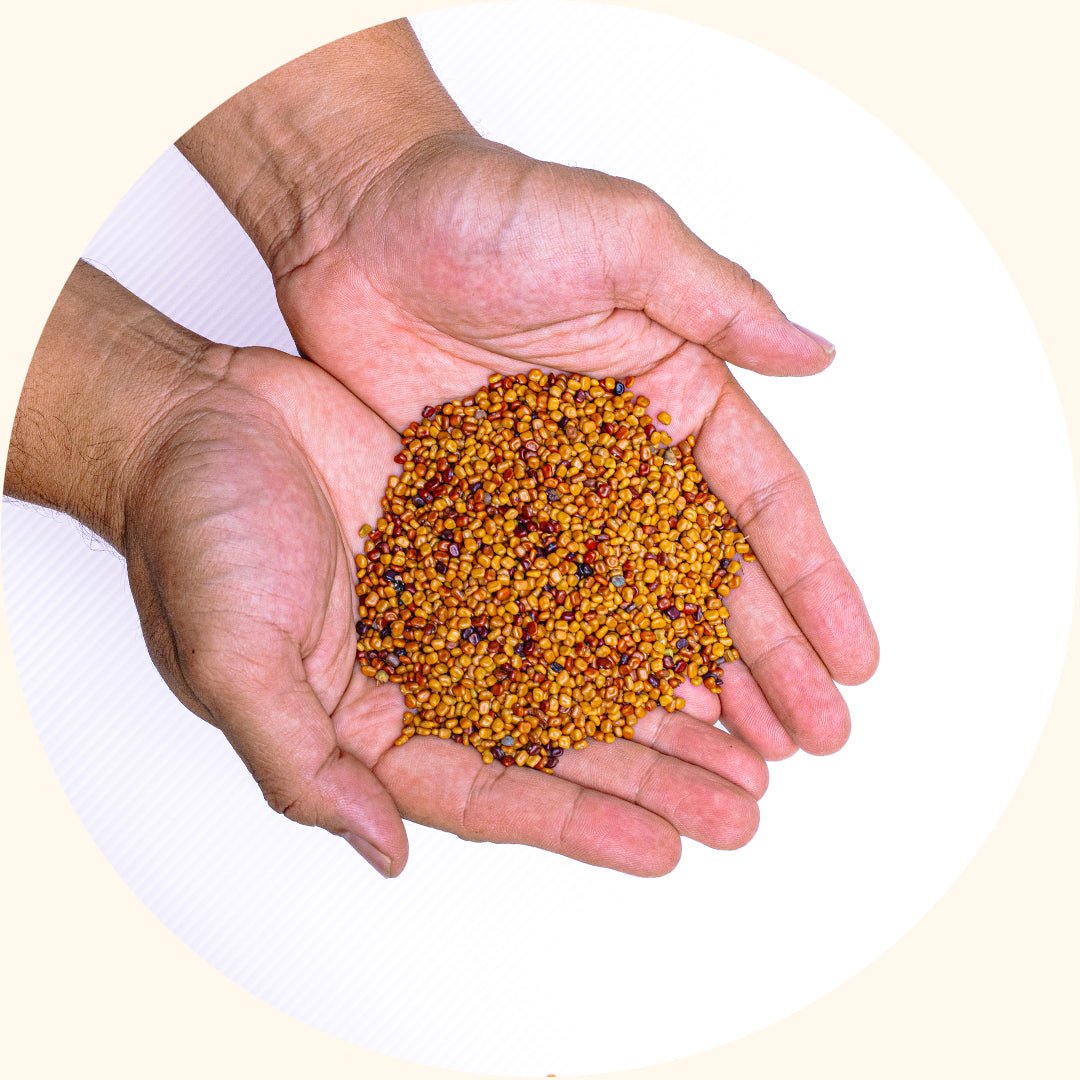
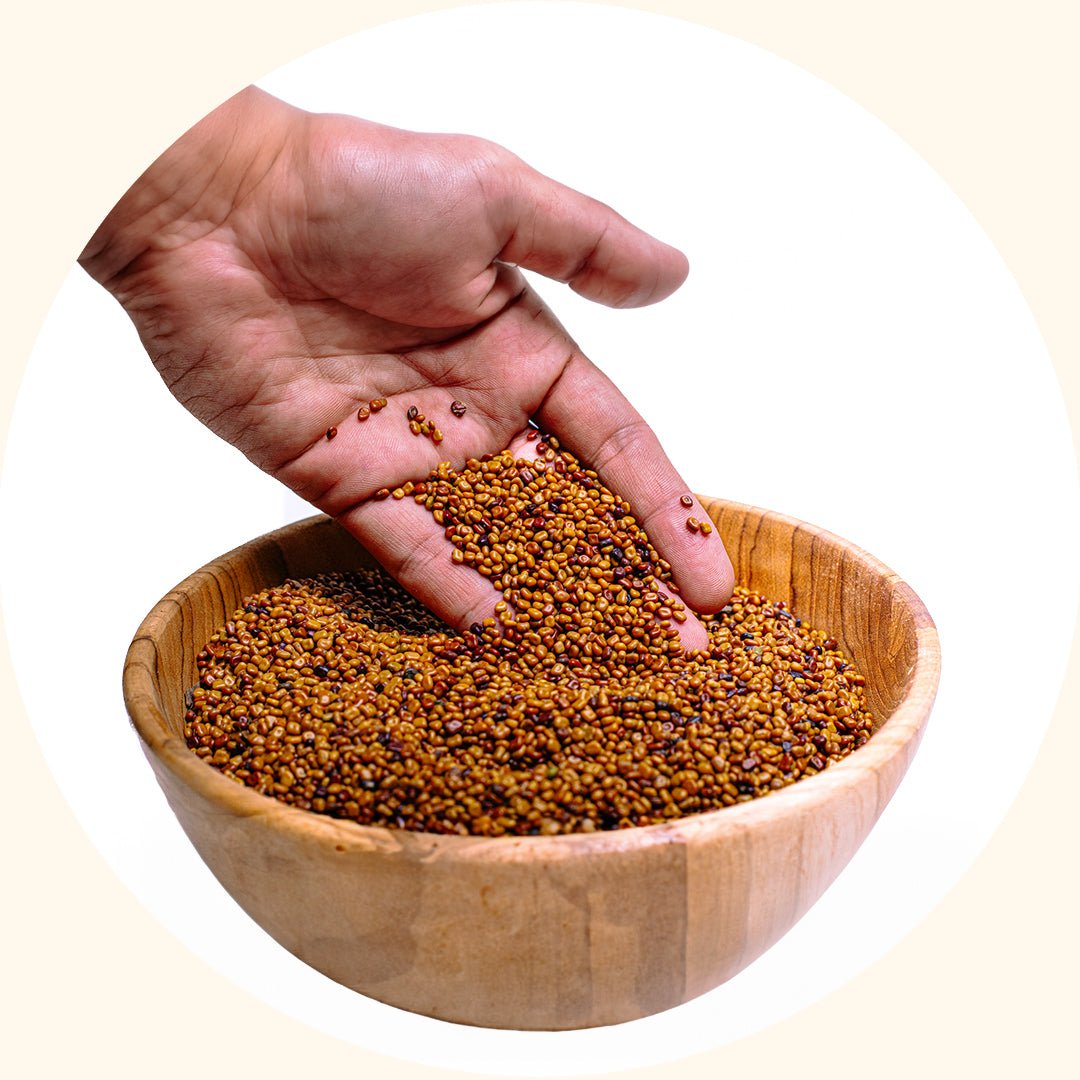
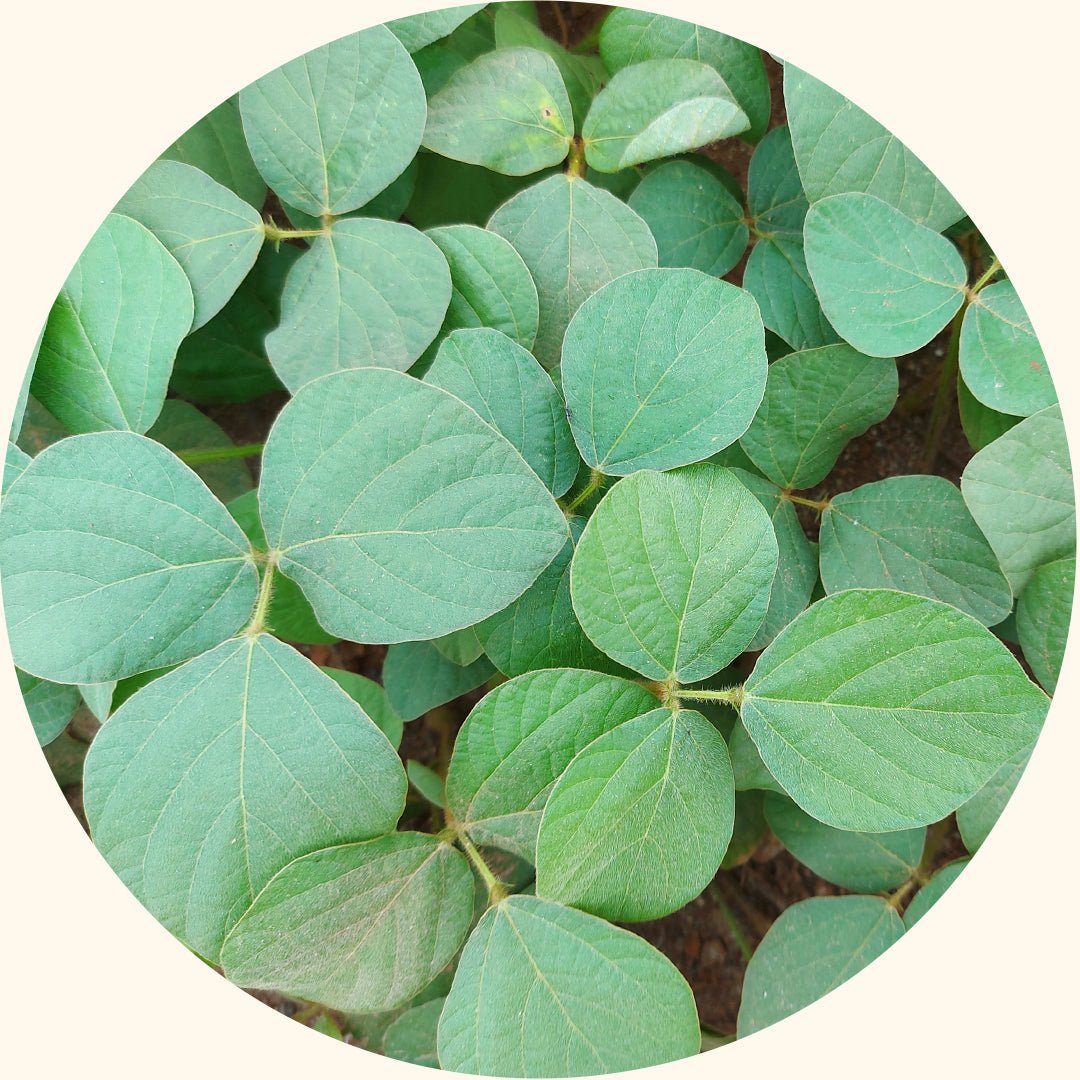
Apa itu Calopogonium mucunoides (CM) dan untuk siapa?
Calopogonium mucunoides adalah legum menjalar yang cepat tumbuh mapan dan digunakan sebagai tanaman penutup tanah pionir di perkebunan kelapa sawit, karet, dan kelapa. CM menutup tanah 3 hingga 6 bulan setelah tanam, lebih cepat di lahan subur yang baru dibuka, dan membentuk hamparan rapat pada umur 4 hingga 5 bulan (PROSEA 11), sehingga bernilai untuk penekanan gulma sejak awal dan perlindungan tanah. CM toleran terhadap tanah liat masam. Namun, CM berumur pendek, sekitar 1 hingga 2 tahun, dan biasanya menjadi spesies pertama yang hilang karena ternaungi dalam campuran, serta tidak tumbuh baik pada kondisi kering yang berkepanjangan atau di bawah naungan berat.
Fakta singkat: Calopogonium mucunoides (CM)
| Nama ilmiah | Calopogonium mucunoides |
|---|---|
| Pola pertumbuhan | Legum menjalar/membelit, semusim hingga menahun berumur pendek |
| Dosis benih (terpublikasi) | Tidak ada dosis terpublikasi untuk penanaman tunggal; ditanam dalam campuran seperti calopo:centro:kudzu 5:4:1 dengan dosis 2 hingga 5 kg/ha di gawangan (PROSEA 4) |
| Tanah | Tanah liat masam |
| Toleransi naungan | Sedang; yang pertama hilang karena ternaungi dalam campuran |
| Toleransi kekeringan | Rendah (lebih menyukai kondisi tropis basah) |
| Laju penambatan N tahunan | Tidak ada laju spesifik spesies yang terverifikasi |
| Stok N biomassa (kg N/ha) | Belum ditetapkan |
| Waktu hingga menutup tanah | Menutup tanah 3 hingga 6 bulan setelah tanam; hamparan rapat pada umur 4 hingga 5 bulan (PROSEA 11) |
Di mana Calopogonium mucunoides (CM) paling cocok?
Paling cocok untuk
- Penutupan tanah awal yang cepat pada pertanaman baru
- Tanah liat masam
- Lokasi tropis basah dengan curah hujan yang dapat diandalkan
- Campuran kacang-kacangan di perkebunan (umumnya dengan PJ dan CP)
- Penutup piringan kelapa (protokol Thomas dan Shantaram 1993)
Kurang cocok untuk
- Kondisi kering yang berkepanjangan
- Kebutuhan penutup permanen di bawah naungan berat
- Lokasi yang memerlukan penutup jangka panjang yang bertahan tanpa penanaman ulang
- Penutup tunggal pada sistem tanaman dewasa dengan tajuk yang sudah menutup
Hal yang tidak dilakukan oleh Calopogonium mucunoides (CM)
Tidak ada bukti terpublikasi di sini bahwa CM meningkatkan hasil kopra kelapa atau produksi lateks karet. CM hidup sekitar 1 hingga 2 tahun (PROSEA 11) dan biasanya digantikan oleh spesies berumur lebih panjang dalam campuran. CM paling efektif sebagai komponen pionir dalam campuran kacang-kacangan, bukan sebagai penutup permanen tunggal.
Cara penggunaan Calopogonium mucunoides (CM)
Tidak ada dosis benih terpublikasi untuk penanaman CM tunggal dalam daftar bukti kami, sehingga dosis untuk lokasi Anda dikonfirmasi dalam penawaran harga atau diisi dari program Anda sendiri. Untuk campuran, PROSEA 4 (1992) mencantumkan calopo:centro:kudzu 5:4:1 atau centro:kudzu 4:1 dengan dosis 2 hingga 5 kg/ha di gawangan. CM tumbuh mapan lebih cepat daripada sebagian besar kacang-kacangan penutup tanah, sehingga menjadi spesies pionir dalam campuran sementara spesies yang lebih lambat seperti PJ dan CP tumbuh mapan. Untuk piringan kelapa, ikuti protokol Thomas dan Shantaram 1993. Skarifikasi dapat meningkatkan keseragaman perkecambahan.
Apa kata penelitian tentang Calopogonium mucunoides (CM)?
- PROSEA 11 (Chen Chin Peng dan Aminah, 1997): CM menutup tanah 3 hingga 6 bulan setelah tanam, lebih cepat di lahan subur yang baru dibuka, membentuk hamparan rapat pada umur 4 hingga 5 bulan, hidup 1 hingga 2 tahun, dan merupakan spesies pertama yang tumbuh mapan sekaligus yang pertama hilang karena ternaungi dalam campuran.
- PROSEA 4 ('t Mannetje dan Jones, 1992): campuran calopo:centro:kudzu 5:4:1 atau centro:kudzu 4:1 dengan dosis 2 hingga 5 kg/ha di gawangan.
- Thomas dan Shantaram (1993), CORD 9(1): 34: CM dan PJ ditanam di piringan kelapa pada tanah laterit di Kerala, India (25 g benih per piringan, bagian atas tanaman dipanen 120 hari setelah tanam).
- Tidak ada angka nitrogen spesifik spesies yang terverifikasi dan terpublikasi untuk CM.
Pertanyaan umum tentang Calopogonium mucunoides (CM)
Seberapa cepat Calopogonium mucunoides tumbuh dibandingkan tanaman penutup tanah lain?
CM termasuk kacangan penutup tanah yang paling cepat tumbuh untuk perkebunan tropis. CM menutup tanah 3 sampai 6 bulan setelah tanam dan membentuk hamparan rapat pada umur 4 sampai 5 bulan (PROSEA 11), lebih awal daripada PJ atau CP, sehingga berguna sebagai spesies pionir bila penekanan gulma sejak awal menjadi prioritas.
Perlakuan benih apa yang dibutuhkan CM sebelum tanam?
Skarifikasi dapat meningkatkan keseragaman perkecambahan. Skarifikasi mekanis atau dengan asam membantu mengatasi dormansi benih keras; tanyakan kepada kami apakah lot benih Anda memerlukannya saat meminta penawaran.
Apakah Calopogonium mucunoides cocok untuk tanah masam?
Ya. CM toleran terhadap tanah liat masam, yang umum dijumpai di banyak wilayah perkebunan di Malaysia. Pastikan dengan hasil uji tanah Anda.
Apakah CM bisa ditanam sendiri atau sebaiknya dalam campuran?
CM paling efektif sebagai bagian dari campuran kacangan, bukan sebagai penutup permanen tunggal. Karena CM hidup sekitar 1 sampai 2 tahun (PROSEA 11), memadukannya dengan spesies berumur lebih panjang seperti PJ atau CP memberikan penutupan awal yang cepat dari CM dan ketahanan jangka panjang dari spesies pendampingnya.
Informasi yang perlu disertakan dalam permintaan Anda
Untuk menyiapkan penawaran harga Anda, mohon sertakan:
- Tanaman perkebunan Anda (sawit, karet, kelapa)
- Jenis tanah dan perkiraan pH
- Pola curah hujan tahunan
- Luas areal tanam dalam hektare
- Apakah Anda berencana menanam CM sendiri atau dalam campuran
- Lokasi Anda (negara dan wilayah)
Minta penawaran harga, atau hubungi kami melalui WhatsApp: +62 877 7837 4714
Hanya dijual melalui penawaran harga. Harga, jumlah pesanan minimum, dan waktu tunggu dikonfirmasi dalam penawaran.
Chemiseed Sdn. Bhd.
Bandingkan dengan produk terkait
Dokumen yang tersedia
Technical Data Sheet (TDS), Certificate of Analysis (COA) dengan data daya kecambah, Safety Data Sheet (SDS) bila relevan, dan untuk ekspor, sertifikat fitosanitari yang diterbitkan oleh Departemen Pertanian Malaysia (DOA) tersedia atas permintaan. Lot benih diuji daya kecambah dan kemurniannya menurut metode ISTA dan AOSA.
Batasan dan pertimbangan lokasi
Hasil di lapangan bergantung pada sistem tanaman, tanah, curah hujan, metode tanam, mutu benih, penyimpanan, waktu tanam, dan pengelolaan setelah tanaman tumbuh. Sesuaikan rekomendasi dengan kondisi setempat, dan hubungi kami sebelum memesan jika Anda ragu tentang kecocokan tanaman, dosis aplikasi, atau kesesuaian lokasi.
Menanam di lereng atau tanggul?
Di tebing jalan, tanggul, dan tepi sungai, pasang cocomesh (jaring sabut kelapa) di atas lereng yang sudah ditabur benih agar hujan deras tidak menghanyutkan benih sebelum sempat tumbuh. Cocomesh dan benih ini bisa masuk dalam satu penawaran.