

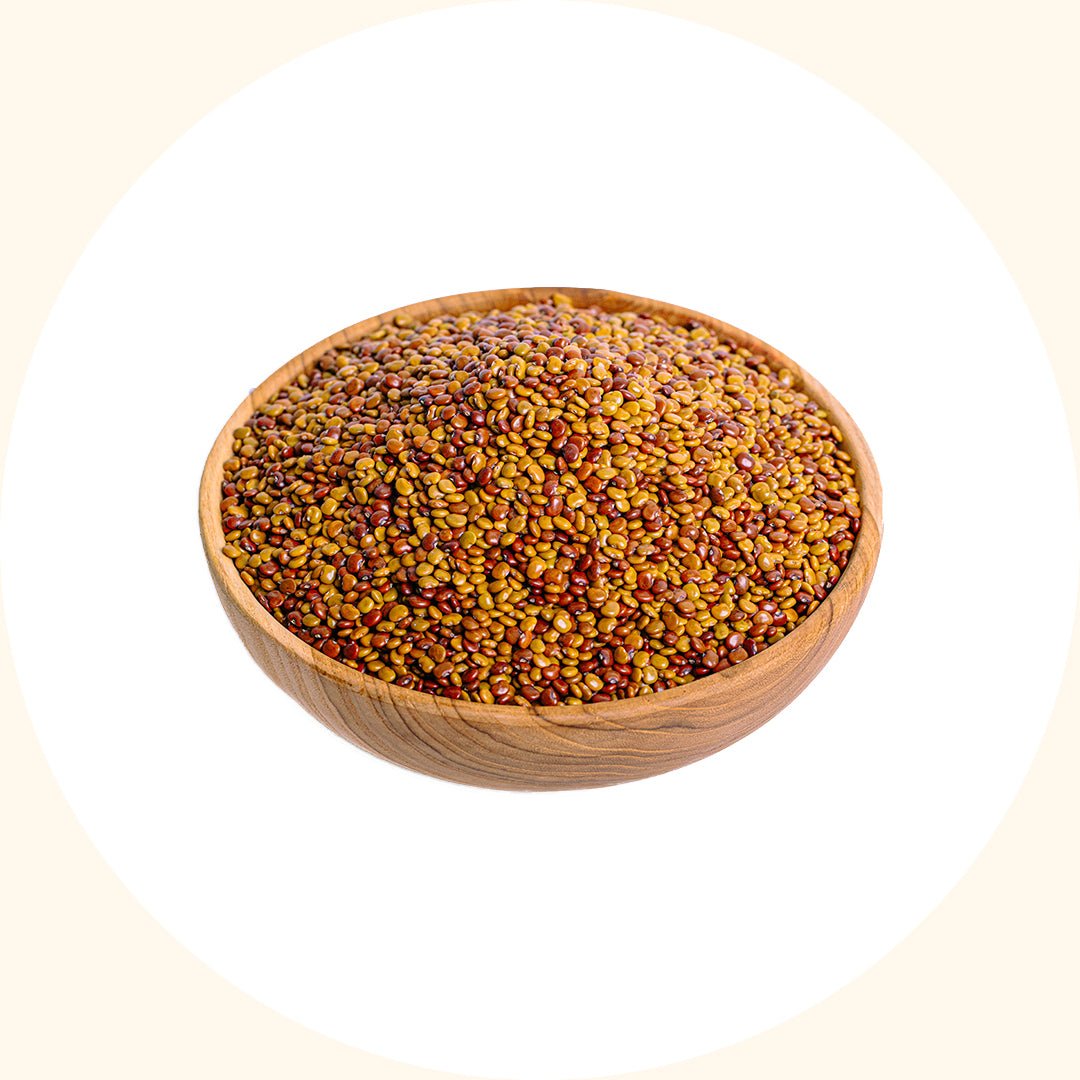
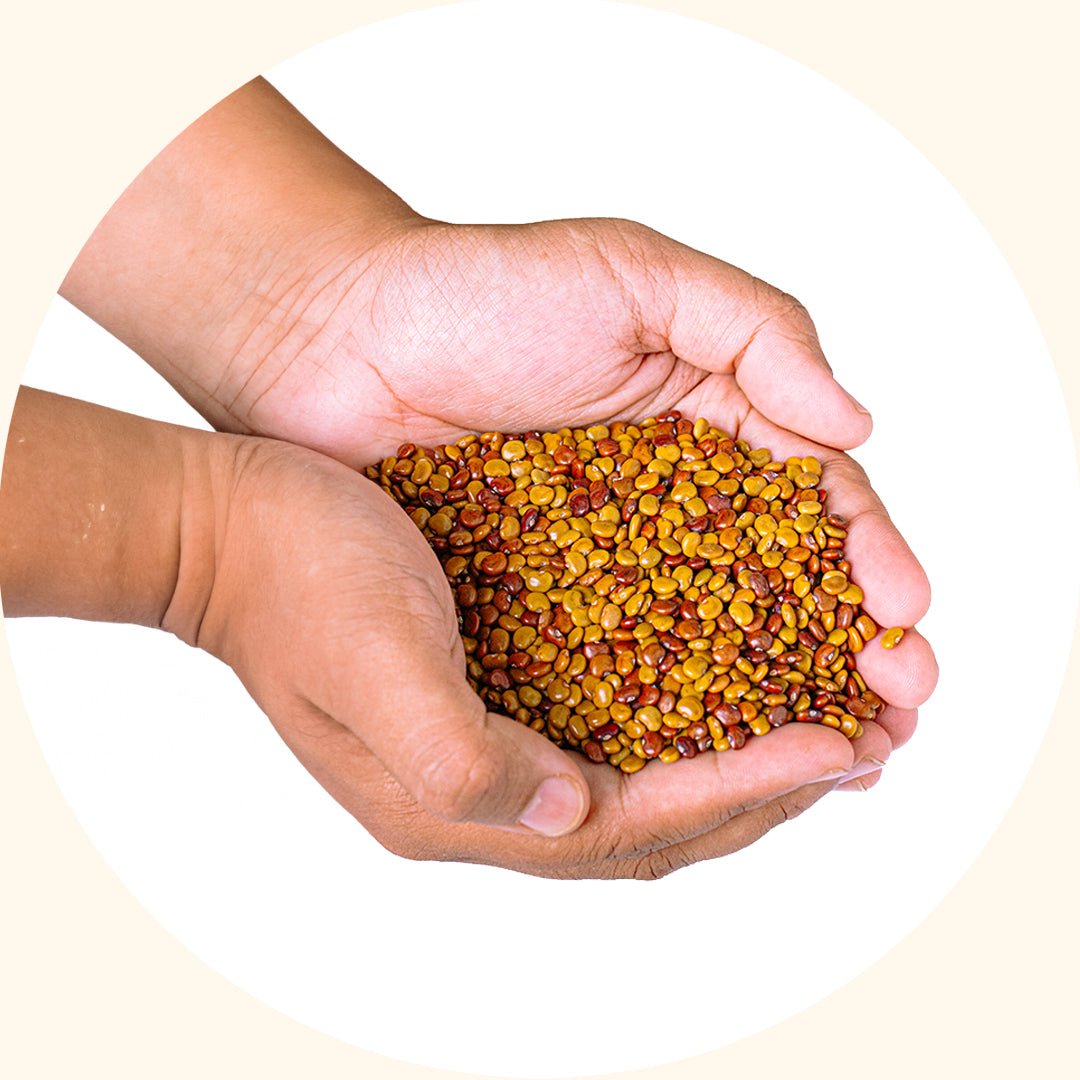
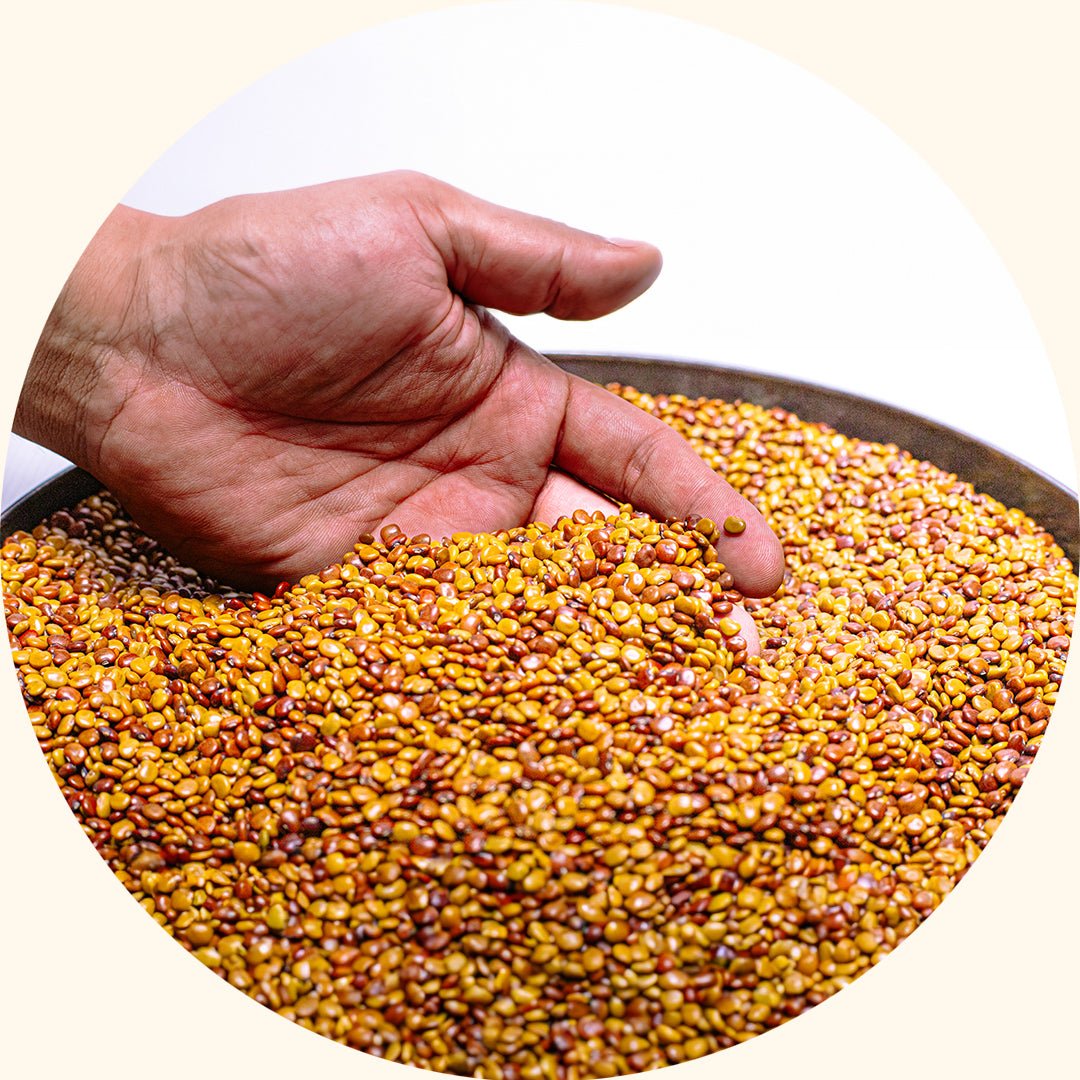
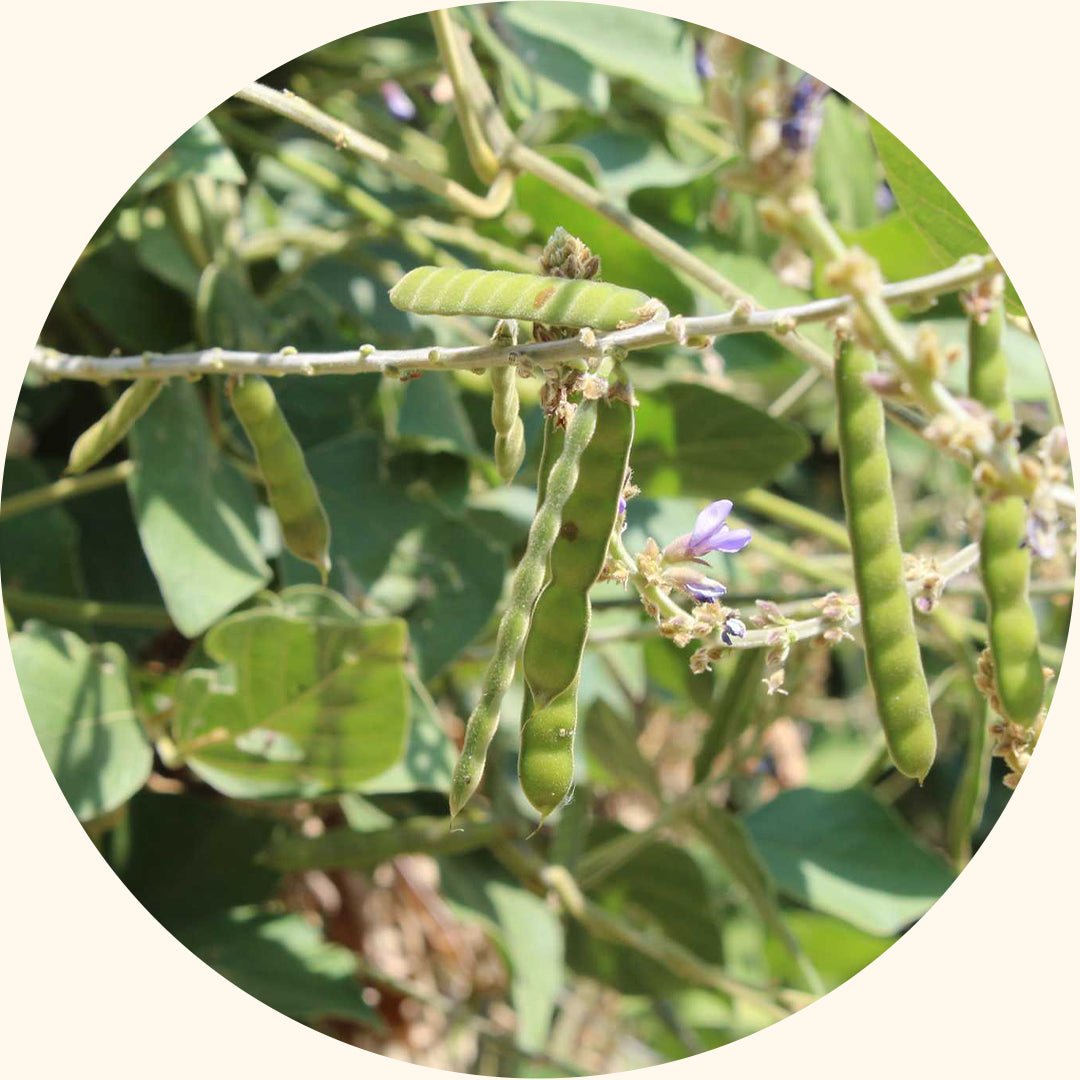
What is Calopogonium caeruleum (CC) and who is it for?
Calopogonium caeruleum is a creeping perennial legume recognised as one of the strongest shade-tolerant legume cover crops for tropical plantation systems. It tolerates very acid soils and persists under mature canopy where other species thin out; Tropical Forages records 1 to 1.5 t DM/ha/yr under mature oil palm at 10% light. No single species-specific annual fixation rate is published for CC from verified evidence (one Papua New Guinea oil palm survey estimated 28 to 75 percent of its nitrogen from fixation). CC is particularly suited for mature shaded rubber, cacao and tree-crop systems on well-drained sites. It has more limited published agronomic data than PJ or MB, which is worth noting when choosing species.
Quick facts: Calopogonium caeruleum (CC)
| Scientific name | Calopogonium caeruleum |
|---|---|
| Growth habit | Creeping perennial legume |
| Seeding rate (published) | No published rate sown alone; 1 to 1.5 kg/ha sown with 5 to 7.5 kg/ha PJ (Tropical Forages, CIAT and ILRI 2020); 1 kg/ha in the MPOB mixture (MPOB TT No. 501) |
| Soil | Tolerates very acid soils |
| Shade tolerance | High (1 to 1.5 t DM/ha/yr under mature oil palm at 10% light, Tropical Forages) |
| Drought tolerance | Moderate |
| Annual N fixation rate | No verified species-specific rate |
| N from the air (Ndfa) | 28 to 75% in one PNG oil palm survey (Pipai et al. 2023) |
| Time to ground cover | Slow; may take up to 20 months to cover fully (PROSEA 4) |
Where does Calopogonium caeruleum (CC) work best?
Best for
- Mature shaded rubber plantations
- Shaded tree-crop systems (cacao, coconut)
- Very acid soils
- Well-drained sites under closed canopy
- Long-term persistent shade cover
Not ideal for
- Waterlogged or poorly drained sites
- Full-sun situations requiring fast initial cover
- Sites where rapid establishment is the priority
What Calopogonium caeruleum (CC) will not do
CC performs best on well-drained sites and is not recommended for waterlogged or poorly drained conditions. The published agronomic data for CC is more limited compared to better-studied species like PJ and MB. Establishment is moderate to slow, so CC is not the best choice when rapid initial ground cover is the primary objective. For fast cover, combine CC with CM as a pioneer species.
How to establish and use Calopogonium caeruleum (CC)
Published reference rates: 1 to 1.5 kg/ha of CC sown with 5 to 7.5 kg/ha PJ (Tropical Forages, CIAT and ILRI 2020); in the MPOB mixture, 1 kg/ha CC with 4 kg/ha PJ and 3 kg/ha CP (MPOB TT No. 501). No rate is published for sowing CC alone. The rate for your site is confirmed on the quotation. CC is best established on well-drained sites under partial to full shade. For sites needing both fast initial cover and long-term shade persistence, combine CC with CM (fast pioneer) and PJ. CC is most valuable in mature plantation systems where the canopy has closed and other cover crops have begun to thin.
What does the research say about Calopogonium caeruleum (CC)?
- Tropical Forages (CIAT and ILRI 2020) CC profile: 3 to 7 t DM/ha/yr in the open and 1 to 1.5 t DM/ha/yr under mature oil palm at 10% light; 1 to 1.5 kg/ha sown with 5 to 7.5 kg/ha PJ.
- PROSEA 4 (1992): CC may take up to 20 months to cover fully.
- Han and Chew (1982): in oil palm inter-rows in Malaysia, CC was slow to establish but grew vigorously after establishment.
- Pipai et al. (2023), Plant and Soil 491: one 2012 survey of oil palm plantations in Papua New Guinea estimated 28 to 75% of CC nitrogen from fixation.
Pertanyaan umum tentang Calopogonium caeruleum (CC)
Mengapa memilih Calopogonium caeruleum dibandingkan tanaman penutup tanah lain?
CC dipilih secara khusus karena toleransinya yang tinggi terhadap naungan dan kemampuannya bertahan di bawah tajuk yang sudah menutup, saat spesies lain menurun. Jika tantangan utama Anda adalah menjaga penutupan tanah di perkebunan dewasa yang ternaungi, CC termasuk pilihan terbaik yang tersedia. Untuk tanaman muda yang masih terbuka, spesies yang lebih cepat tumbuh seperti CM atau MB lebih tepat.
Apakah Calopogonium caeruleum tahan tanah yang sangat masam?
Ya. CC toleran terhadap tanah yang sangat masam, sehingga cocok untuk tanah sangat masam yang banyak dijumpai di wilayah perkebunan di Malaysia. Pastikan dengan hasil uji tanah Anda.
Di mana CC tumbuh paling baik?
CC tumbuh paling baik di lokasi berdrainase baik dengan naungan sedang hingga berat. CC sangat cocok untuk karet dewasa yang ternaungi, kakao, dan sistem tanaman pohon. CC tidak dianjurkan untuk lokasi yang tergenang atau berdrainase buruk.
Apakah Calopogonium caeruleum dapat digunakan di perkebunan karet?
Ya. CC termasuk tanaman penutup tanah pilihan untuk perkebunan karet dewasa yang ternaungi. Saat tajuk karet menutup, banyak kacangan penutup tanah lain menipis, tetapi CC tetap menutup tanah dalam kondisi ini. CC menambah nitrogen melalui fiksasi, menekan gulma, dan melindungi tanah pada sistem karet dewasa.
Informasi yang perlu disertakan dalam permintaan Anda
Untuk menyiapkan penawaran harga Anda, mohon sertakan:
- Tanaman perkebunan Anda (karet, kakao, kelapa, sawit)
- Kerapatan tajuk (terbuka, sebagian, tertutup)
- Kondisi drainase tanah
- pH tanah (terutama jika di bawah 4,5)
- Luas areal tanam dalam hektare
- Apakah Anda berencana menanam CC sendiri atau dalam campuran
- Lokasi Anda (negara dan wilayah)
Minta penawaran harga, atau hubungi kami melalui WhatsApp: +62 877 7837 4714
Hanya dijual melalui penawaran harga. Harga, jumlah pesanan minimum, dan waktu tunggu dikonfirmasi dalam penawaran.
Chemiseed Sdn. Bhd.
Bandingkan dengan produk terkait
Dokumen yang tersedia
Technical Data Sheet (TDS), Certificate of Analysis (COA) dengan data daya kecambah, Safety Data Sheet (SDS) bila relevan, dan untuk ekspor, sertifikat fitosanitari yang diterbitkan oleh Departemen Pertanian Malaysia (DOA) tersedia atas permintaan. Lot benih diuji daya kecambah dan kemurniannya menurut metode ISTA dan AOSA.
Batasan dan pertimbangan lokasi
Hasil di lapangan bergantung pada sistem tanaman, tanah, curah hujan, metode tanam, mutu benih, penyimpanan, waktu tanam, dan pengelolaan setelah tanaman tumbuh. Sesuaikan rekomendasi dengan kondisi setempat, dan hubungi kami sebelum memesan jika Anda ragu tentang kecocokan tanaman, dosis aplikasi, atau kesesuaian lokasi.