
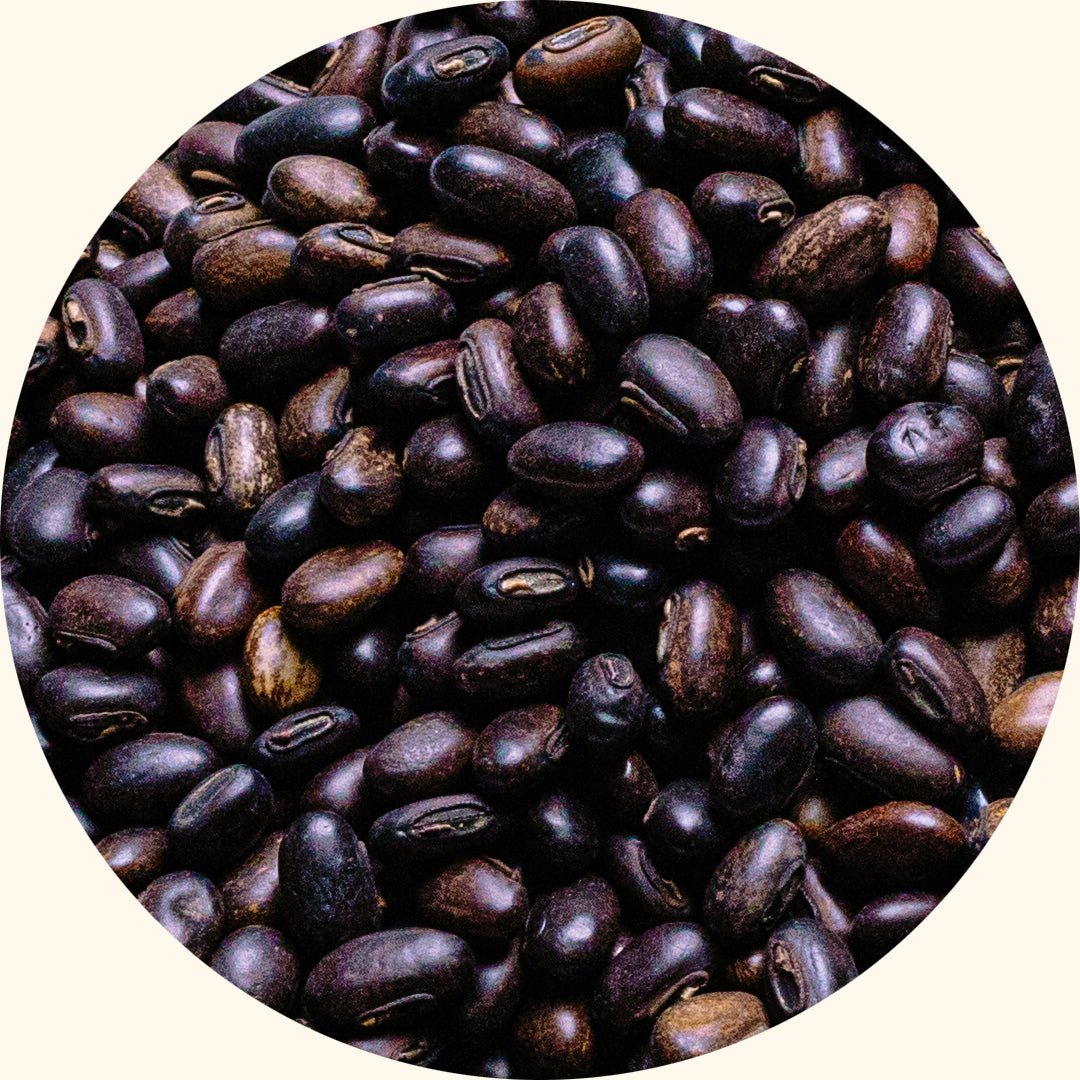
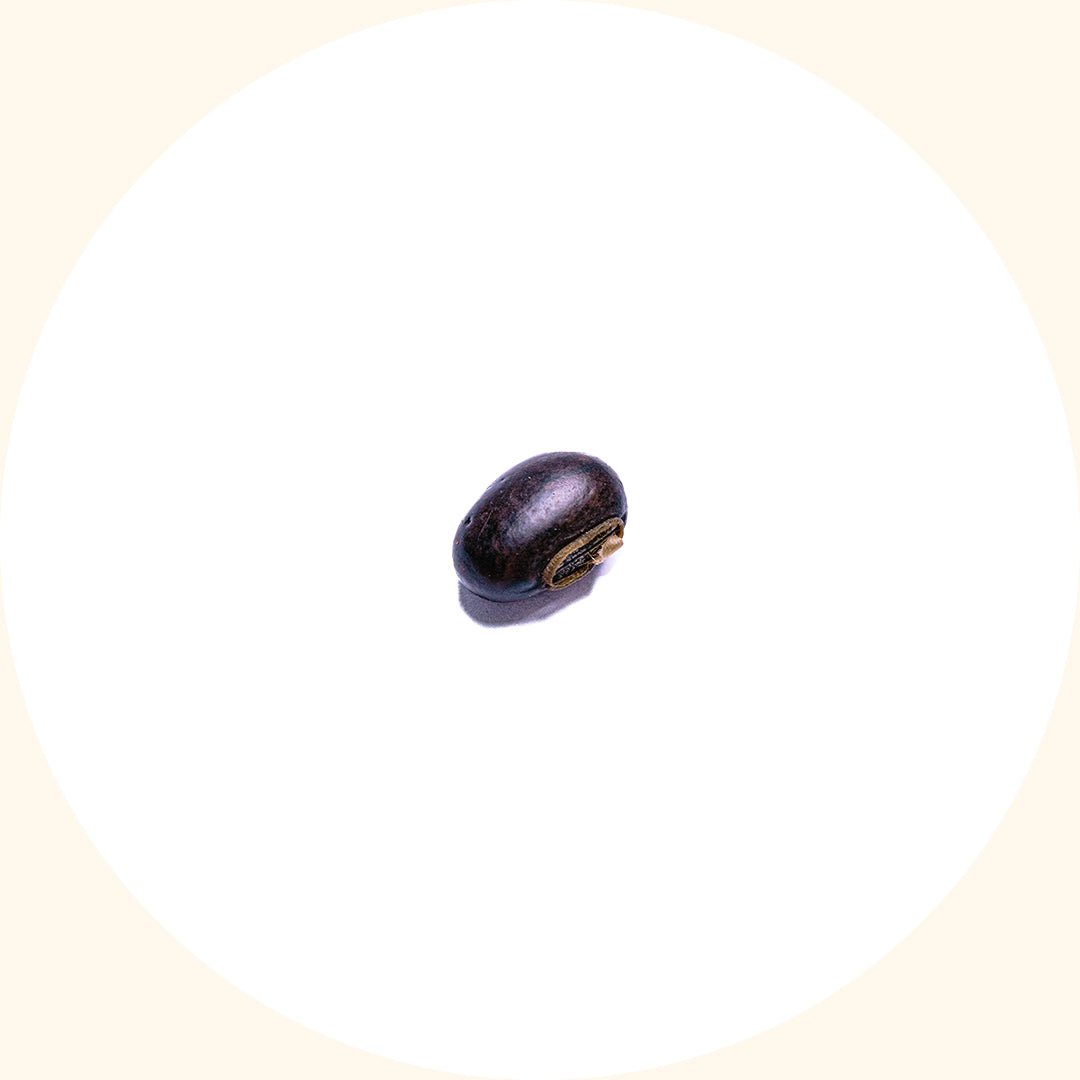
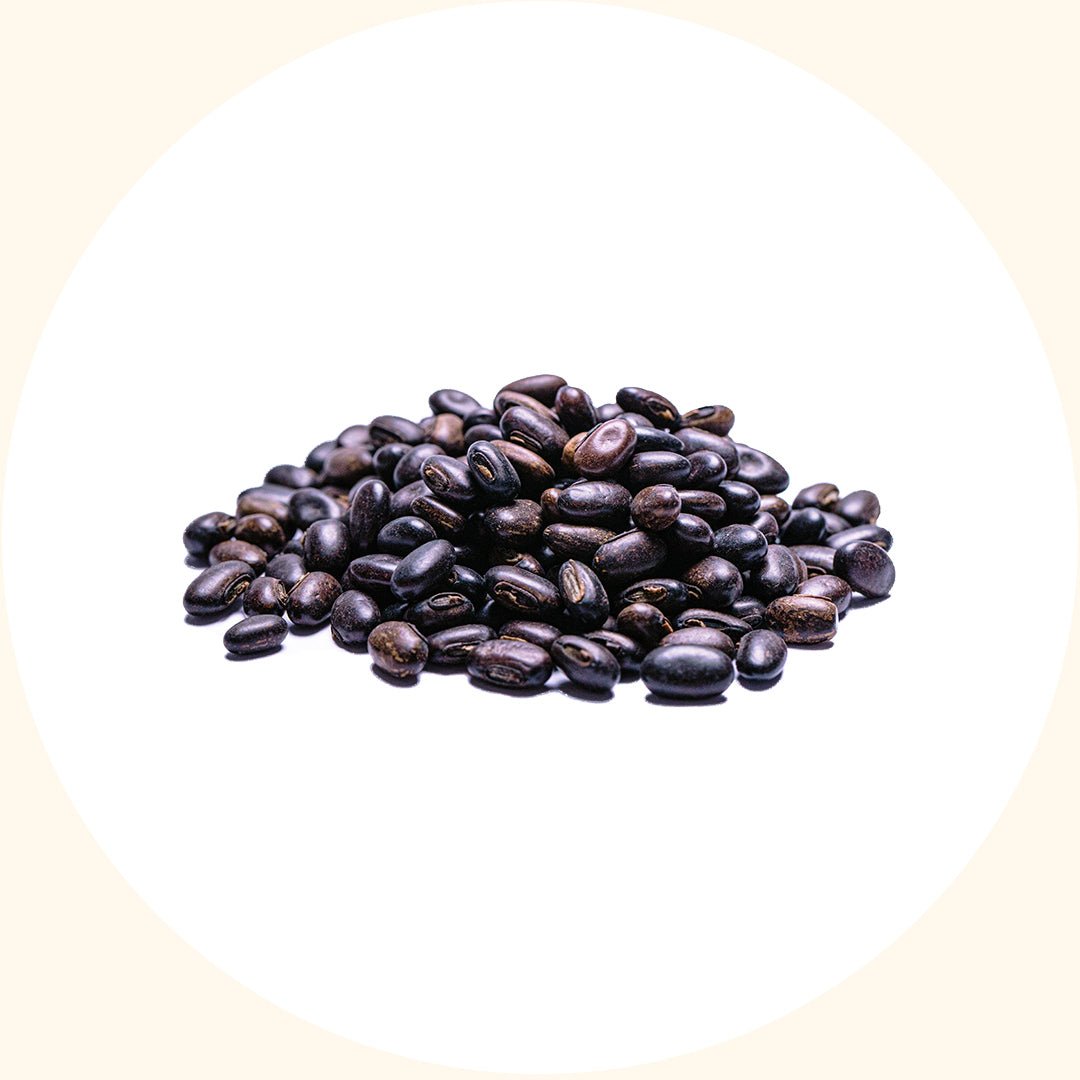
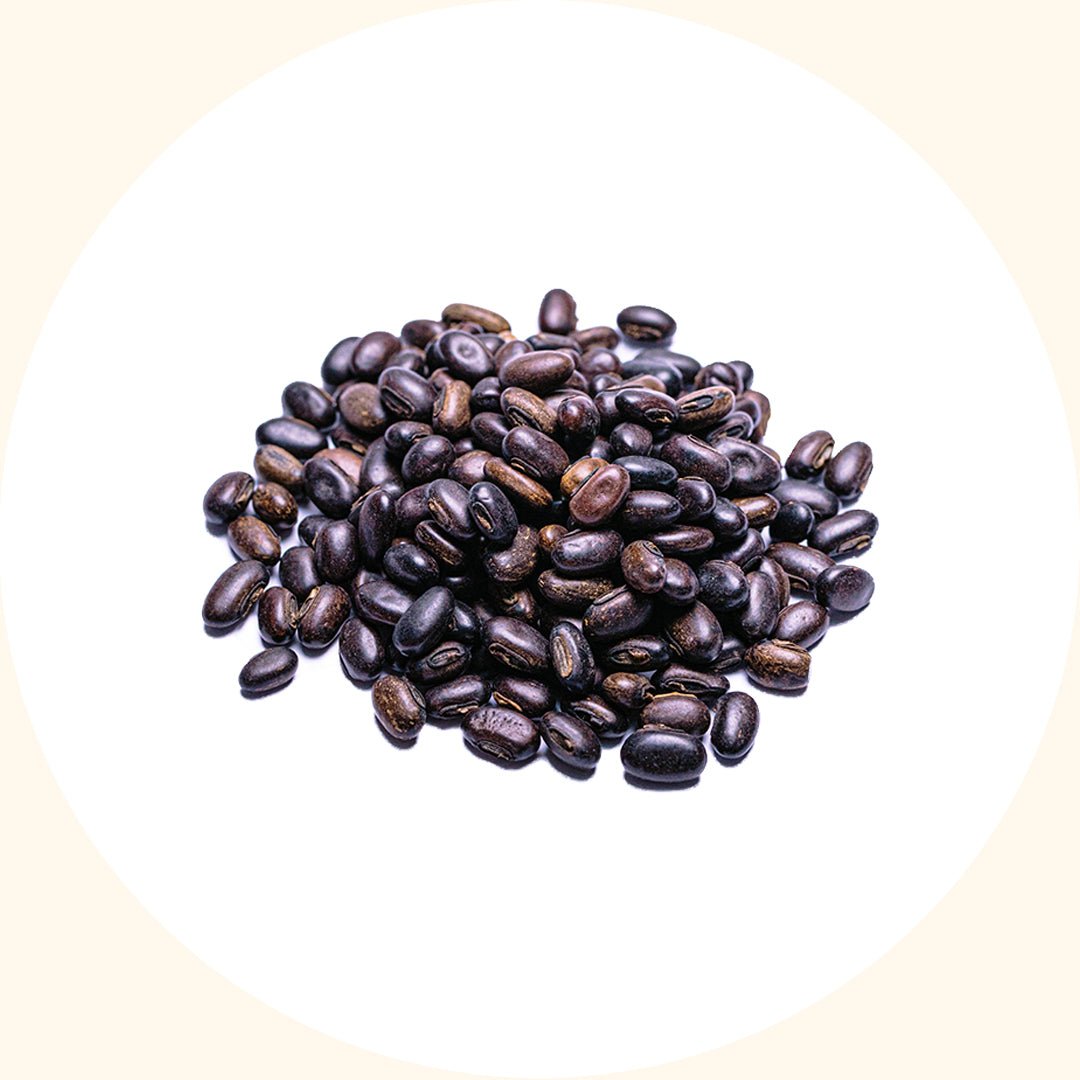
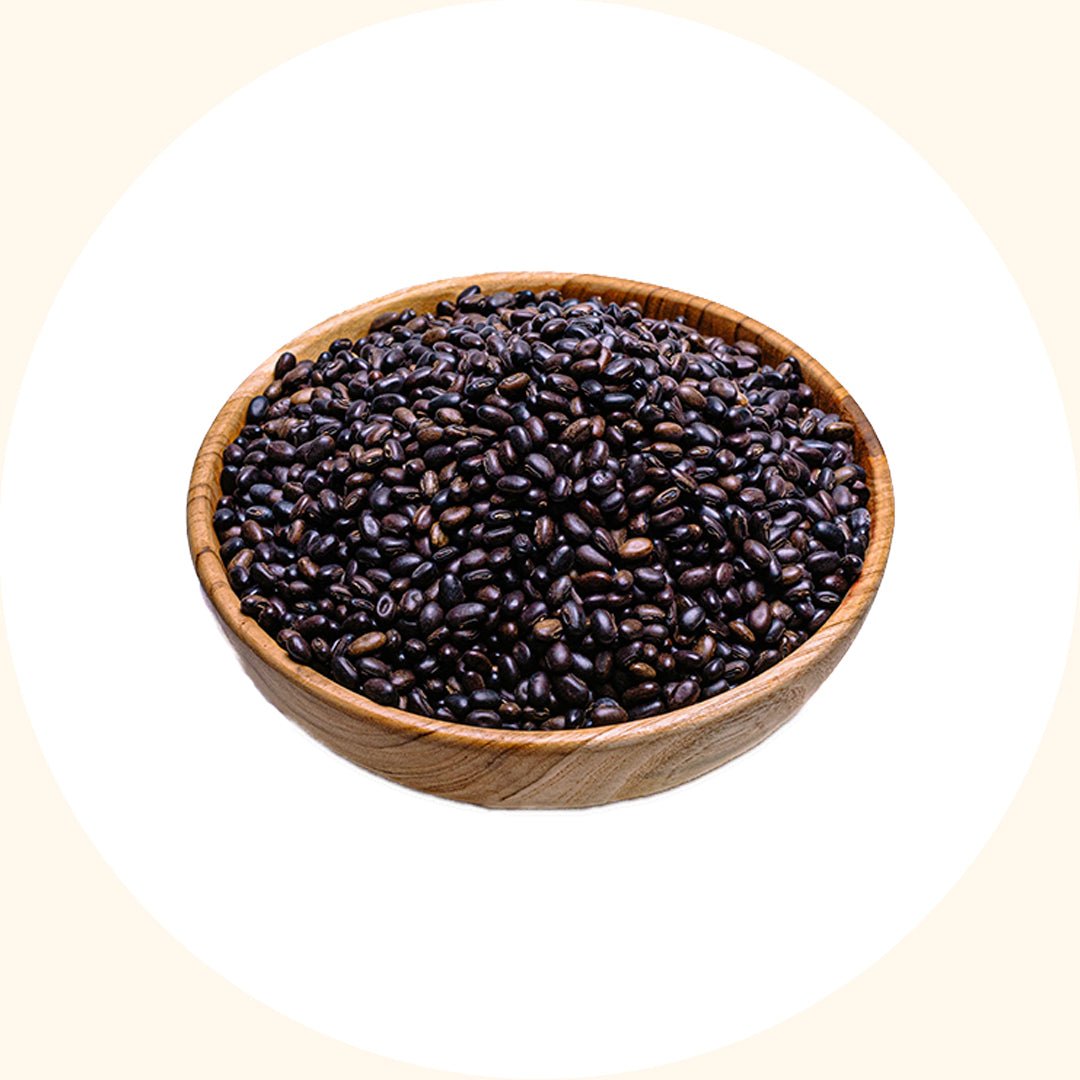
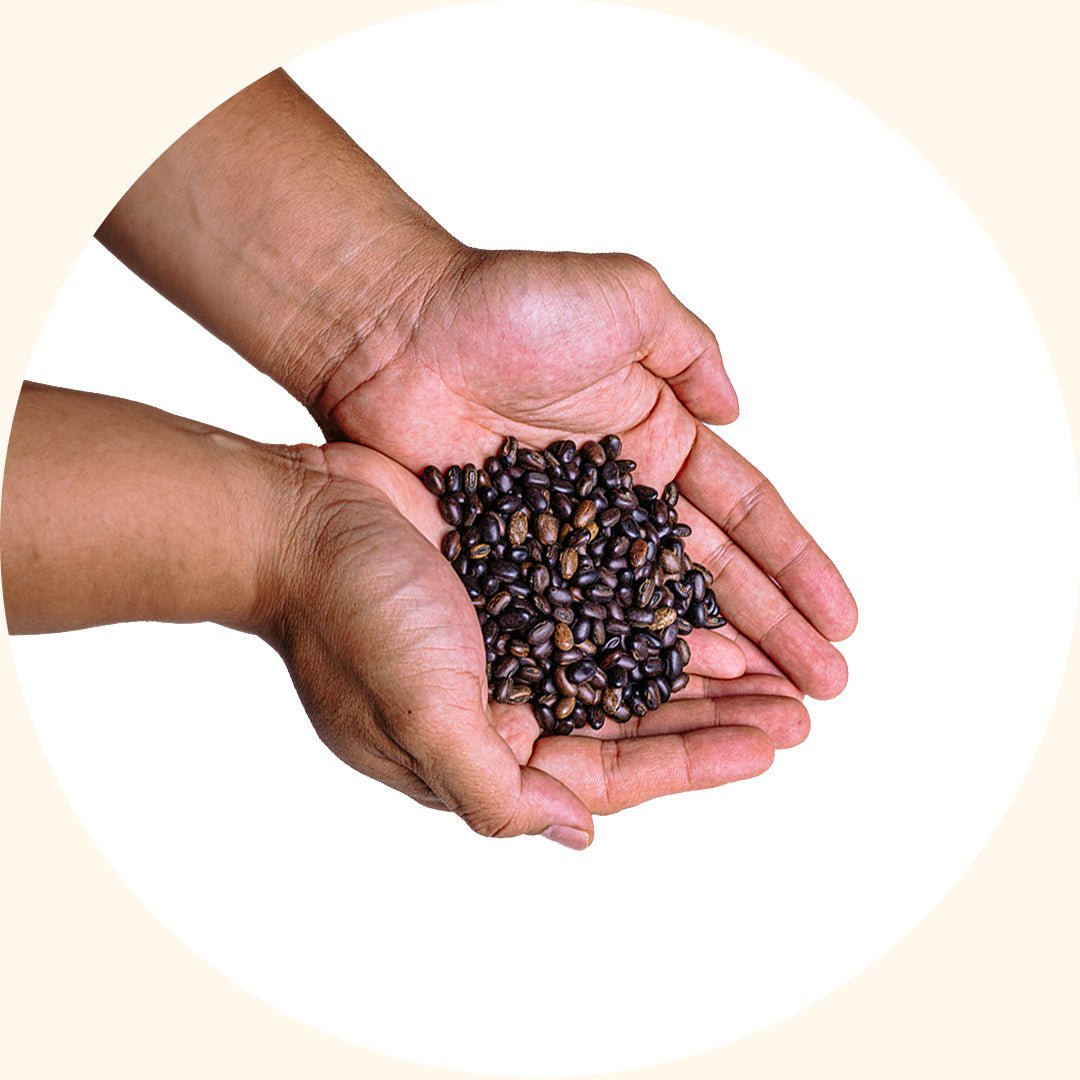
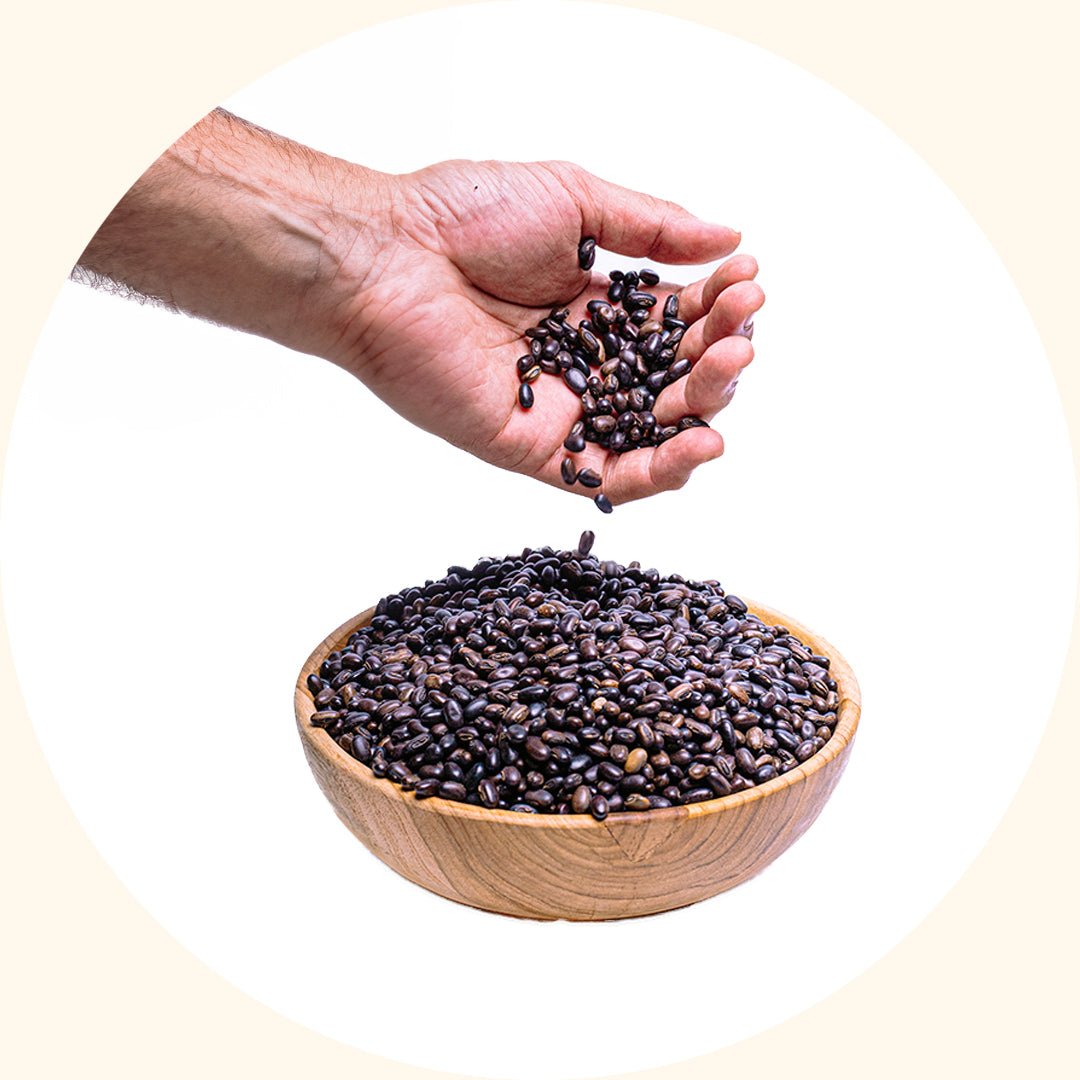
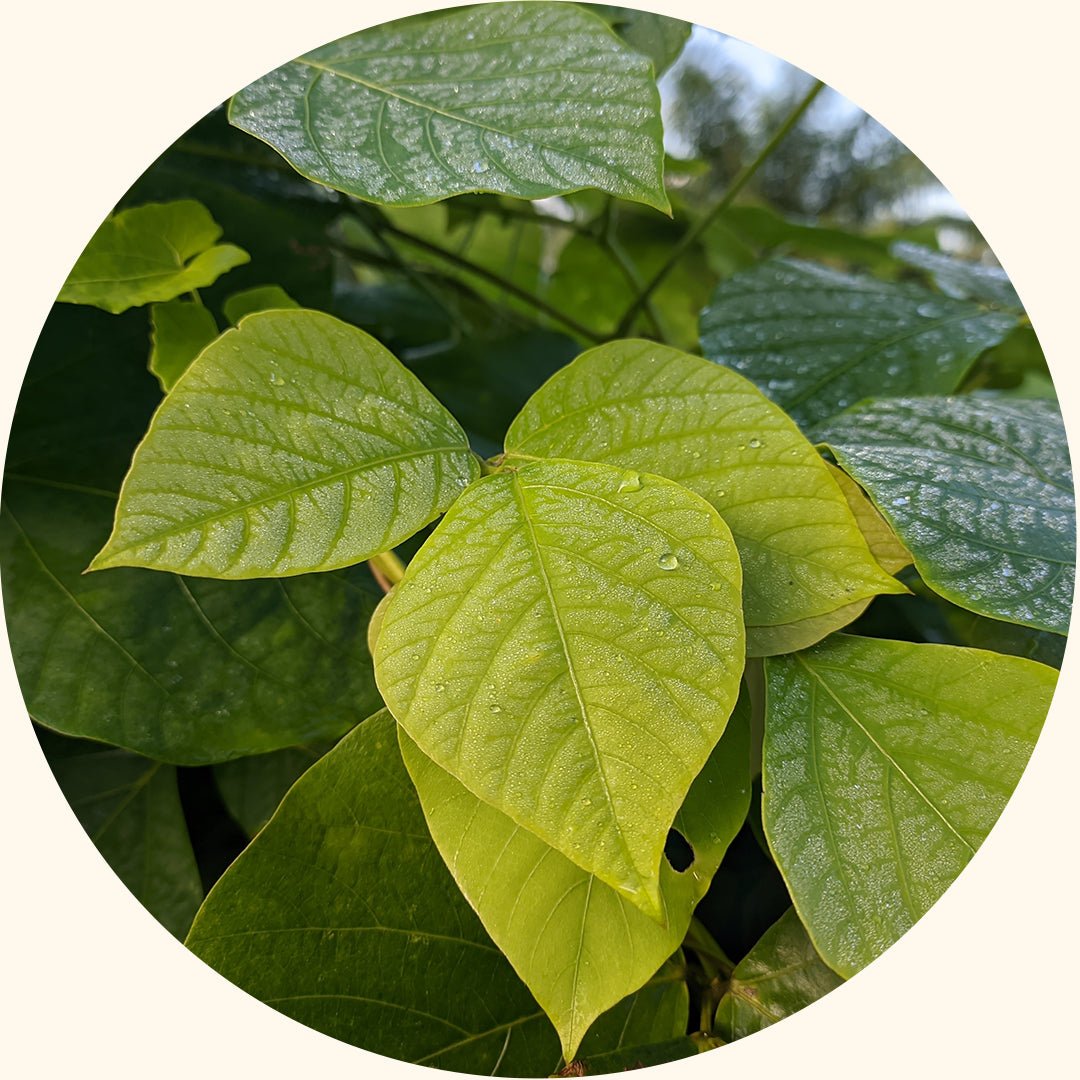
Apa itu Mucuna bracteata (MB) dan untuk siapa?
Mucuna bracteata adalah legum menahun yang tumbuh kuat secara memanjat dan menjalar, dan digunakan sebagai tanaman penutup tanah di perkebunan kelapa sawit dan karet di berbagai wilayah Asia Tenggara. Dalam satu studi MPOB di bawah kelapa sawit berumur tiga tahun (Cheah, Zaharah dan Aminuddin 2010, pengenceran isotop 15N), 67 hingga 84 persen nitrogennya berasal dari atmosfer, tanpa menyatakan laju penambatan tahunan yang rutin. MB dibesarkan di pembibitan lalu dipindahtanam, menekan gulma melalui biomassa yang rapat, dan tahan terhadap periode kering setelah tumbuh mapan. MB paling cocok untuk kelapa sawit muda, program BMP di tanah gambut, lahan berlereng, dan lokasi tanam yang banyak gulma. MB memerlukan pengelolaan piringan yang aktif dan bukan solusi bebas perawatan atau yang bisa ditanam lalu dibiarkan.
Fakta singkat: Mucuna bracteata (MB)
| Nama ilmiah | Mucuna bracteata |
|---|---|
| Pola pertumbuhan | Legum menahun yang tumbuh kuat, memanjat/menjalar |
| Kerapatan tanam (terpublikasi) | Bibit dari pembibitan, tidak ditabur: 320/ha, dua per titik tanam sawit, dari sekitar 500 benih (75 g) di gambut dalam (MPOB TT No. 501); 680/ha dengan jarak 1,5 m di tanah mineral (Samedani dkk. 2015) |
| Tanah | Tanah mineral dan gambut di perkebunan |
| Toleransi naungan | Rendah hingga sedang (lebih menyukai lahan terbuka hingga cahaya matahari sebagian) |
| Toleransi kekeringan | Tahan periode kering setelah tumbuh mapan |
| N dari udara (Ndfa) | 67 hingga 84% dalam satu studi MPOB (Cheah, Zaharah dan Aminuddin 2010) |
| Laju penambatan N tahunan | Tidak ada laju tahunan rutin yang dinyatakan |
| Waktu hingga menutup tanah (uji coba terpublikasi) | Sekitar 100% pada umur 6 bulan dengan 680 bibit/ha di tanah mineral (Samedani dkk. 2015); 31% pada umur 6 bulan, 58% pada umur 12, 75% pada umur 18, dan 78% pada umur 24 bulan dengan 320 bibit/ha di gambut dalam (MPOB TT No. 501) |
Di mana Mucuna bracteata (MB) paling cocok?
Paling cocok untuk
- Perkebunan kelapa sawit muda
- Program BMP kelapa sawit di lahan gambut (MPOB TT-501)
- Lahan berlereng yang memerlukan pengendalian erosi
- Lokasi tanam yang banyak gulma
- Sistem kelapa (dengan pengelolaan)
Kurang cocok untuk
- Lingkungan dengan naungan berat
- Kelapa sawit muda yang tidak dikelola (MB dapat menutupi sawit tanpa pemeliharaan piringan)
- Perkebunan karet dewasa yang ternaungi
Hal yang tidak dilakukan oleh Mucuna bracteata (MB)
Memerlukan pengelolaan piringan yang aktif selama masa pertumbuhan awal dan masa pemeliharaan. MB bukan tanaman penutup tanah yang bebas perawatan dan bukan pengobatan penyakit untuk tanaman apa pun. Tidak ada peningkatan hasil yang dijanjikan: respons hasil bergantung pada kondisi lokasi dan pengelolaan.
Cara penggunaan Mucuna bracteata (MB)
MB dibesarkan di pembibitan lalu dipindahtanam, tidak ditabur. Untuk kelapa sawit di gambut dalam, MPOB TT No. 501 (2012) menggunakan sekitar 320 bibit per hektare, dua per titik tanam sawit, yang dibesarkan dari sekitar 500 benih (75 g). Di tanah mineral, Samedani dkk. (2015) menggunakan 680 bibit per hektare dengan jarak 1,5 m. Kerapatan tanam untuk lokasi Anda dikonfirmasi dalam penawaran harga. Jaga piringan tetap bersih selama masa pertumbuhan awal agar sawit muda tidak tertutup oleh MB. Di lahan berlereng, MB melindungi tanah setelah menutupi permukaan tanah.
Apa kata penelitian tentang Mucuna bracteata (MB)?
- Cheah, Zaharah dan Aminuddin (2010), MPOB Oil Palm Bulletin 60: 22-27: 67 hingga 84% nitrogen MB berasal dari atmosfer di bawah kelapa sawit berumur tiga tahun pada tanah Seri Jawa (pengenceran isotop 15N); tidak ada laju tahunan yang diturunkan dari studi ini.
- MPOB TT No. 501 (Hasnol Othman, Farawahida Mohamad Darus dan Zulkifli Hashim, 2012): penanaman sesuai BMP lahan gambut dengan sekitar 320 bibit/ha; penutupan tanah 31% pada umur 6 bulan, 58% pada umur 12, 75% pada umur 18, dan 78% pada umur 24 bulan di gambut dalam di Teluk Intan.
- Samedani dkk. (2015), Int. J. Agric. Biol. 17(2): 251-260: penutupan tanah sekitar 100% pada umur 6 bulan dengan 680 bibit/ha di tanah mineral; untuk seluruh perlakuan tanaman penutup tanah secara bersama-sama, bobot kering gulma 97,3 hingga 99,9% lebih rendah dan kerapatan gulma 94,77 hingga 99,73% lebih rendah dibandingkan plot tanpa penyiangan, 9 hingga 24 bulan setelah tanam (uji coba UPM, kelapa sawit).
- Wawan dkk. (2019), IOP Conf. Ser. Earth Environ. Sci. 250: 012021: di lereng pada kelapa sawit belum menghasilkan di Riau, Indonesia, plot dengan MB kehilangan tanah lebih sedikit dibandingkan plot tanpa MB (plot kecil, dua ulangan).
Pertanyaan umum tentang Mucuna bracteata (MB)
Mengapa Mucuna bracteata perlu dikelola secara aktif?
MB adalah tanaman merambat yang tumbuh sangat kuat dan dapat menutupi piringan sawit jika tidak dikelola. Pembersihan piringan secara rutin sangat penting untuk mencegah persaingan dengan sawit muda. MB bukan tanaman penutup tanah yang bisa ditanam lalu dibiarkan begitu saja.
Apakah Mucuna bracteata dapat menutupi sawit muda?
Ya. Tanpa pengelolaan piringan yang aktif, MB dapat memanjat dan menutupi sawit muda. Karena itu protokol MPOB menekankan pembersihan rutin di sekitar pangkal batang sawit selama masa pertumbuhan awal.
Berapa kerapatan tanam Mucuna bracteata yang dipublikasikan?
MB ditanam sebagai bibit dari pembibitan, bukan ditabur. MPOB TT No. 501 (2012) menggunakan sekitar 320 bibit per hektare, dua bibit per titik tanam sawit, yang disemai dari sekitar 500 benih (75 g), di tanah gambut dalam. Samedani et al. (2015) menggunakan 680 bibit per hektare dengan jarak 1,5 m di tanah mineral. Kerapatan tanam untuk lokasi Anda dikonfirmasi dalam penawaran.
Apakah Mucuna bracteata tahan kekeringan?
MB tahan terhadap periode kering setelah tumbuh mapan, tetapi bibitnya membutuhkan kelembapan untuk tumbuh. Tanam pada awal musim hujan dan pastikan bibit di pembibitan tetap disiram. Tidak ada angka terverifikasi tentang daya tahan terhadap kekeringan yang dipublikasikan di sini.
Apakah Mucuna bracteata meningkatkan produksi TBS?
Tidak ada peningkatan hasil yang dijanjikan. Hasil bergantung pada kondisi lokasi, mutu pengelolaan, dan faktor agronomi lainnya. Manfaat yang didukung bukti adalah nitrogen dari fiksasi, penekanan gulma, dan perlindungan tanah.
Informasi yang perlu disertakan dalam permintaan Anda
Untuk menyiapkan penawaran harga Anda, mohon sertakan:
- Tanaman perkebunan Anda (sawit, karet, kelapa)
- Jenis tanah (mineral, gambut, berpasir)
- Topografi (datar, miring, berbukit)
- Tingkat tekanan gulma saat ini
- Luas areal tanam dalam hektare
- Apakah Anda membutuhkan bibit atau benih untuk tanam langsung
- Lokasi Anda (negara dan wilayah)
Minta penawaran harga, atau hubungi kami melalui WhatsApp: +62 877 7837 4714
Hanya dijual melalui penawaran harga. Harga, jumlah pesanan minimum, dan waktu tunggu dikonfirmasi dalam penawaran.
Chemiseed Sdn. Bhd.
Bandingkan dengan produk terkait
Dokumen yang tersedia
Technical Data Sheet (TDS), Certificate of Analysis (COA) dengan data daya kecambah, Safety Data Sheet (SDS) bila relevan, dan untuk ekspor, sertifikat fitosanitari yang diterbitkan oleh Departemen Pertanian Malaysia (DOA) tersedia atas permintaan. Lot benih diuji daya kecambah dan kemurniannya menurut metode ISTA dan AOSA.
Batasan dan pertimbangan lokasi
Hasil di lapangan bergantung pada sistem tanaman, tanah, curah hujan, metode tanam, mutu benih, penyimpanan, waktu tanam, dan pengelolaan setelah tanaman tumbuh. Sesuaikan rekomendasi dengan kondisi setempat, dan hubungi kami sebelum memesan jika Anda ragu tentang kecocokan tanaman, dosis aplikasi, atau kesesuaian lokasi.