


What is SoilBoost EA (Humic Acid Soil Conditioner) and who is it for?
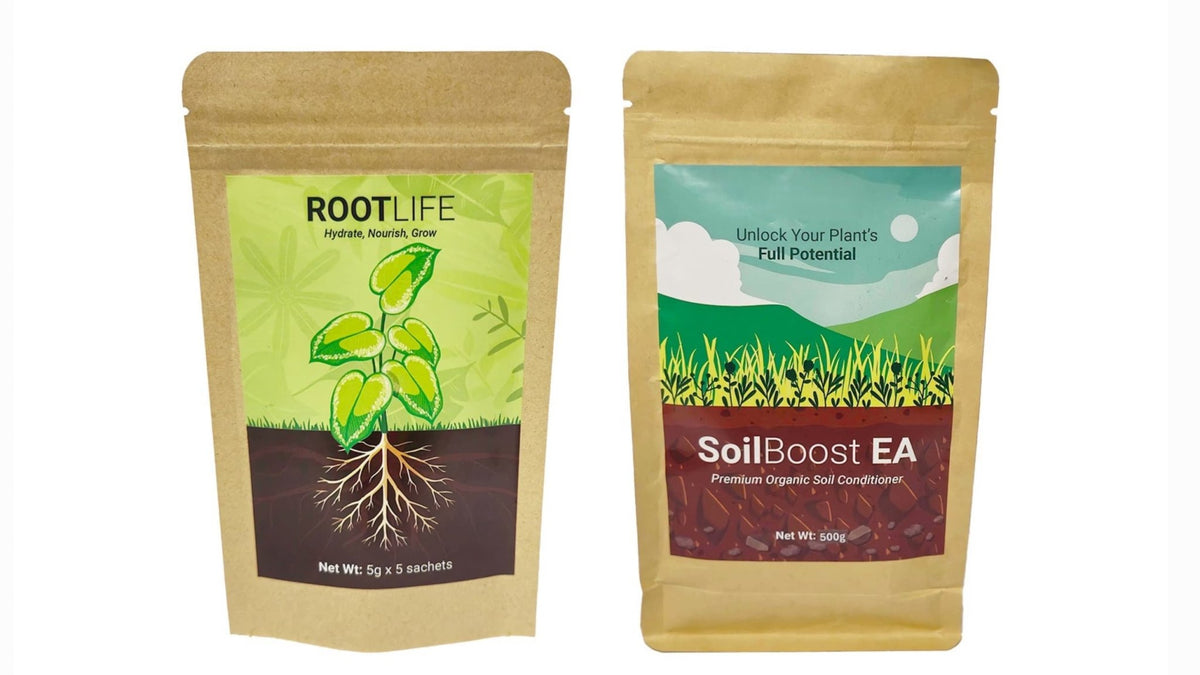
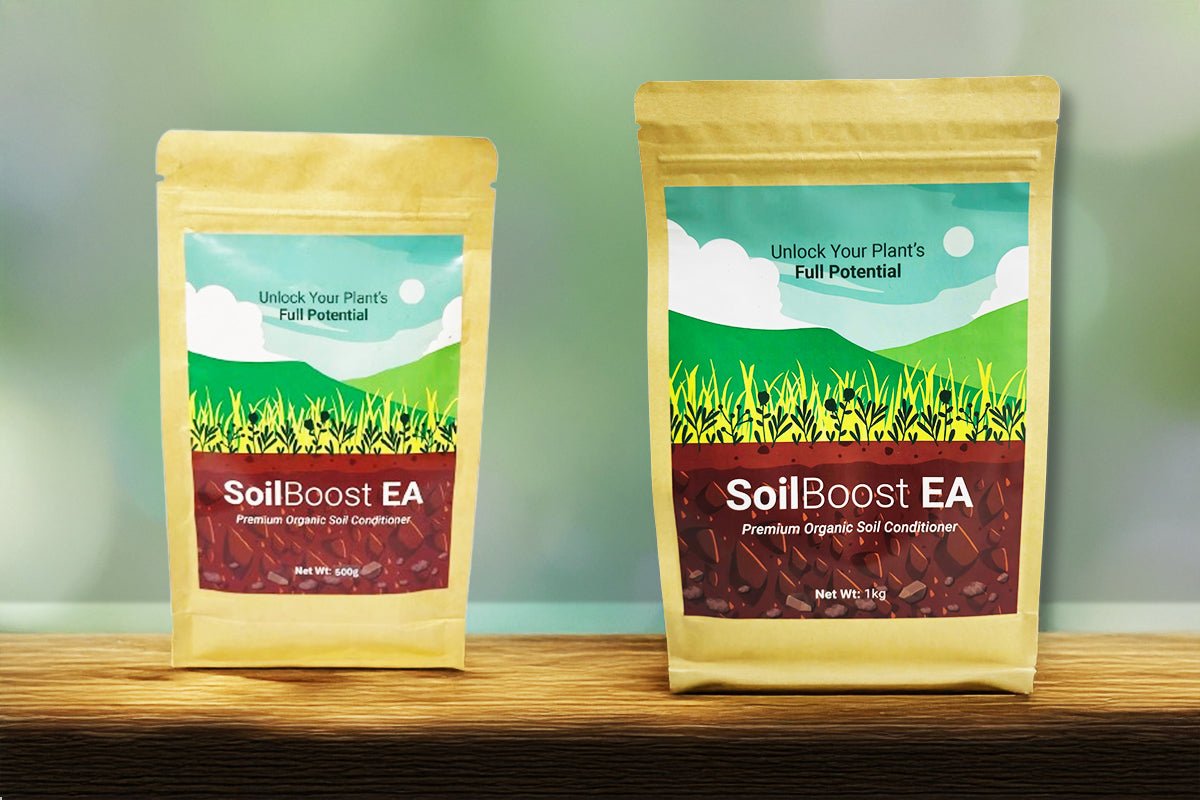
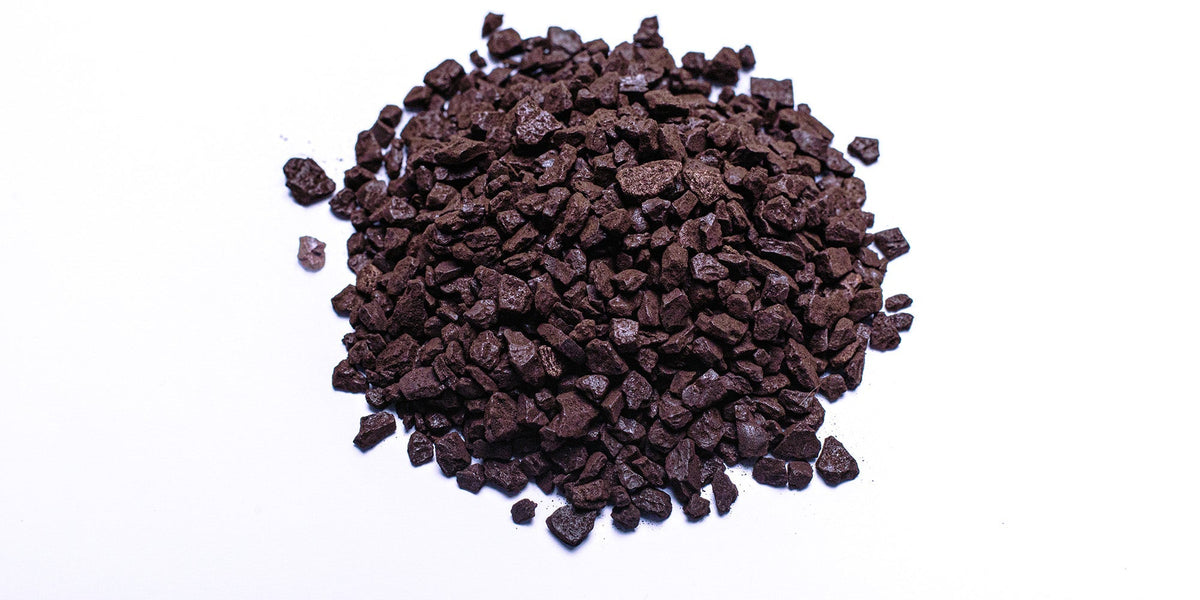
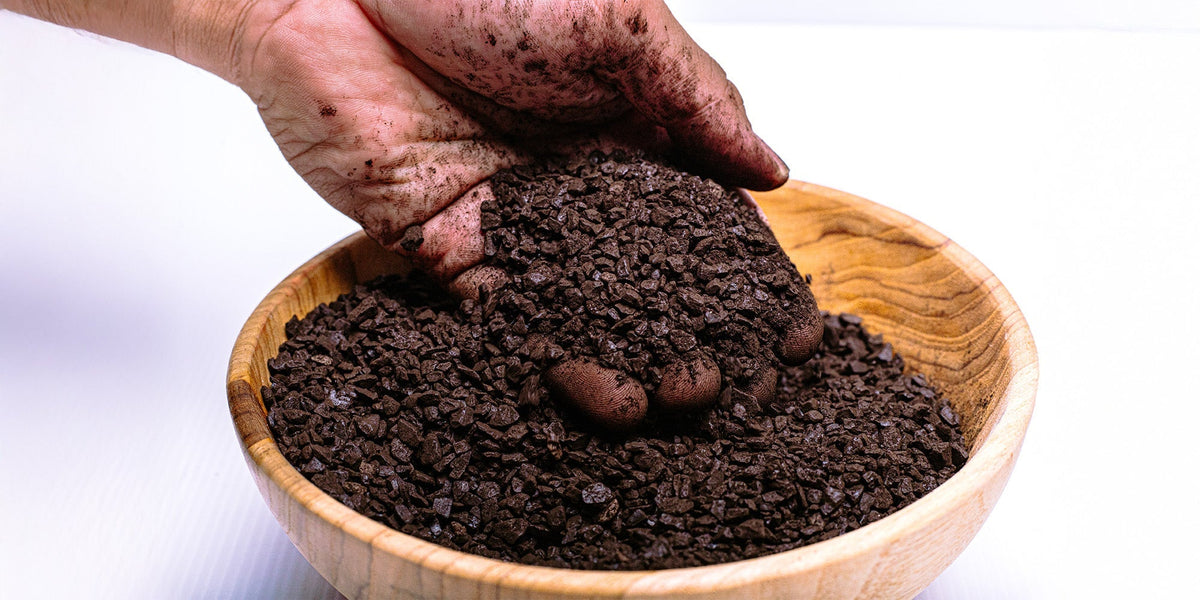
SoilBoost EA is a humic acid soil conditioner made from leonardite and manufactured exclusively for Chemiseed Sdn. Bhd. and Kudzu Seeds Trading. It may support nutrient use efficiency and soil structure in tropical crop systems. A 2024 meta-analysis of humic acid fertilisers in general (Ma, Cheng and Zhang 2024) found average increases of 12 percent in yield, 27 percent in nitrogen use efficiency and 17 percent in N uptake, with cash crops and upland cereals responding more than paddy rice. These are averages across published studies, not results of a SoilBoost EA trial. SoilBoost EA is a soil conditioner, not a fertiliser substitute or a disease treatment.
Quick facts: SoilBoost EA (Humic Acid Soil Conditioner)
| Product type | Humic acid soil conditioner |
|---|---|
| Made for | Manufactured exclusively for Chemiseed Sdn. Bhd. and Kudzu Seeds Trading |
| Active ingredient | Humic acid |
| Source material | Leonardite |
| Application method | As directed on the technical data sheet: broadcast and incorporate, fertigation or soil drench, or diluted foliar spray |
| Named crop contexts | Rice/paddy, sugarcane, oil palm, rubber, coconut, cacao |
| Meta-analysis yield effect (humic acid fertilisers) | Average +12% yield across studies (Ma, Cheng and Zhang 2024; not a SoilBoost EA trial) |
| Meta-analysis NUE effect (humic acid fertilisers) | Average +27% NUE and +17% N uptake across studies (Ma, Cheng and Zhang 2024) |
| Analysis values | From the current certificate of analysis, on request |
Where does SoilBoost EA (Humic Acid Soil Conditioner) work best?
Best for
- Complementing existing fertiliser programmes to support nutrient use efficiency
- Cash crops and upland crops (the stronger average response in Ma, Cheng and Zhang 2024)
- Plantation crops such as oil palm, rubber, coconut and cacao, as part of a soil programme
- Soil programmes built on a recent soil test
Not ideal for
- Replacing fertiliser inputs
- Treating any crop disease
- Situations expecting immediate high-dose nutrient response
What SoilBoost EA (Humic Acid Soil Conditioner) will not do
SoilBoost EA is a soil conditioner. It is not a fungicide, pesticide, plant protection product, or standalone treatment for Fusarium TR4, Phytophthora, or any crop disease. It may support soil structure and root-zone conditions as part of a broader agronomy program, but disease management must follow local agronomist, regulatory, sanitation, drainage, and resistant-variety guidance. Responses to humic substances vary with soil, crop and management, and no yield increase is promised.
How to establish and use SoilBoost EA (Humic Acid Soil Conditioner)
Apply as directed on the technical data sheet: broadcast and incorporate before planting, apply through fertigation or as a soil drench, or use as a diluted foliar spray, depending on the crop and system. The rate and method for your crop and site are confirmed on the quotation. Integrate SoilBoost EA into your existing fertiliser programme to support nutrient use efficiency rather than replacing fertiliser inputs, and base the programme on a recent soil test.
What does the research say about SoilBoost EA (Humic Acid Soil Conditioner)?
- Ma, Cheng and Zhang (2024), Agronomy 14(12): 2763: meta-analysis of humic acid fertilisers reporting average increases of 12% in yield, 27% in nitrogen use efficiency and 17% in N uptake; cash crops and upland cereals responded more than paddy rice. These are averages across studies of humic acid products, not a SoilBoost EA trial.
- Rose et al. (2014), Advances in Agronomy 124: 37-89: meta-analysis and review of plant-growth responses to humic substances (81 studies, over 700 observations).
- Olk et al. (2018), Journal of Soils and Sediments 18(8): 2881-2891: plant-growth effects of humic products are proven in greenhouse and growth-chamber work, and more field work is needed.
Frequently asked questions about SoilBoost EA (Humic Acid Soil Conditioner)
What crops benefit most from humic acid application?
In the Ma, Cheng and Zhang (2024) meta-analysis of humic acid fertilisers, cash crops and upland cereals responded more than paddy rice. For plantation crops such as oil palm, rubber, coconut and cacao, use SoilBoost EA in a supporting role within your fertiliser programme; responses depend on soil and management.
Does humic acid work in all soil types?
Responses to humic substances vary with soil type, existing fertility and management, and no soil-pH threshold is claimed here. A recent soil test is the starting point; send it with your quotation request.
Is SoilBoost EA a disease treatment?
No. SoilBoost EA is a soil conditioner. It is not a fungicide, pesticide, plant protection product, or standalone treatment for Fusarium TR4, Phytophthora, or any crop disease. It may support soil structure and root-zone conditions as part of a broader agronomy program, but disease management must follow local agronomist, regulatory, sanitation, drainage, and resistant-variety guidance.
Does SoilBoost EA replace fertiliser?
No. SoilBoost EA is a soil conditioner that may support nutrient use efficiency within a balanced fertiliser programme. It does not replace fertiliser inputs.
How should SoilBoost EA be applied?
Apply SoilBoost EA as directed on the technical data sheet: broadcast and incorporate, through fertigation or as a soil drench, or as a diluted foliar spray, depending on your crop system and equipment. The rate and method for your site are confirmed on the quotation.
What to include in your inquiry
To prepare your quotation, please include:
- Your crop type and variety
- Current fertilizer program details
- Soil pH (from recent soil test if available)
- Soil type and drainage
- Annual rainfall or irrigation system
- Application area in hectares
- Your location (country and region)
Request a quotation, or contact us via WhatsApp: +60 17-237 4058
Sold by quotation only. Price, minimum order and lead time are confirmed on the quotation.
Chemiseed Sdn. Bhd.
Compare with related products
Documents available
Technical Data Sheet (TDS), Certificate of Analysis (COA) with germination data, Safety Data Sheet (SDS) where applicable, and, for export, a phytosanitary certificate issued by the Department of Agriculture Malaysia (DOA) are available on request. Seed lots are germination- and purity-tested to ISTA and AOSA methods.
Limitations and site considerations
Field results depend on crop system, soil, rainfall, planting method, seed quality, storage, timing, and post-establishment management. Adjust recommendations to local conditions, and contact us before ordering if you are unsure about crop fit, application rate, or site suitability.