
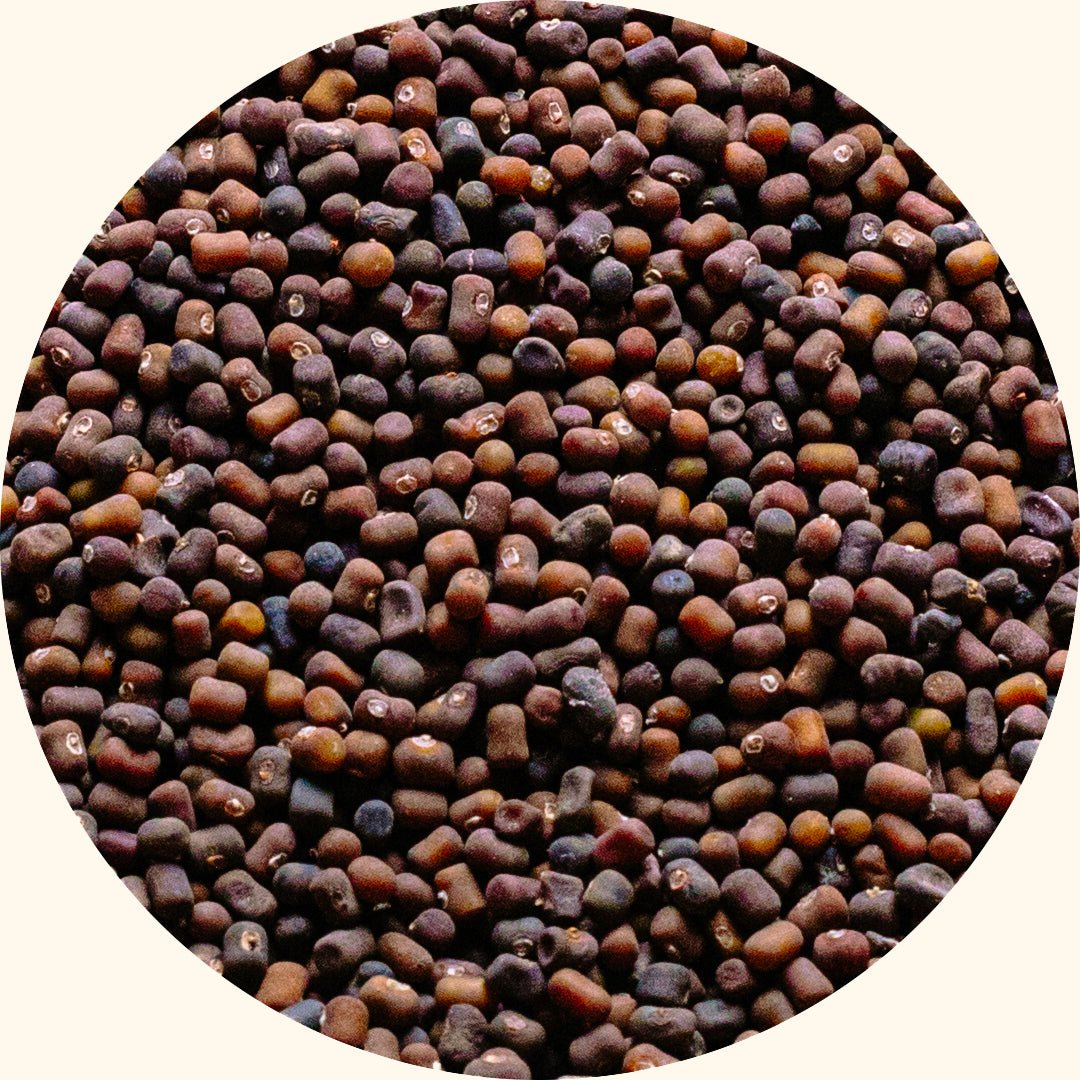

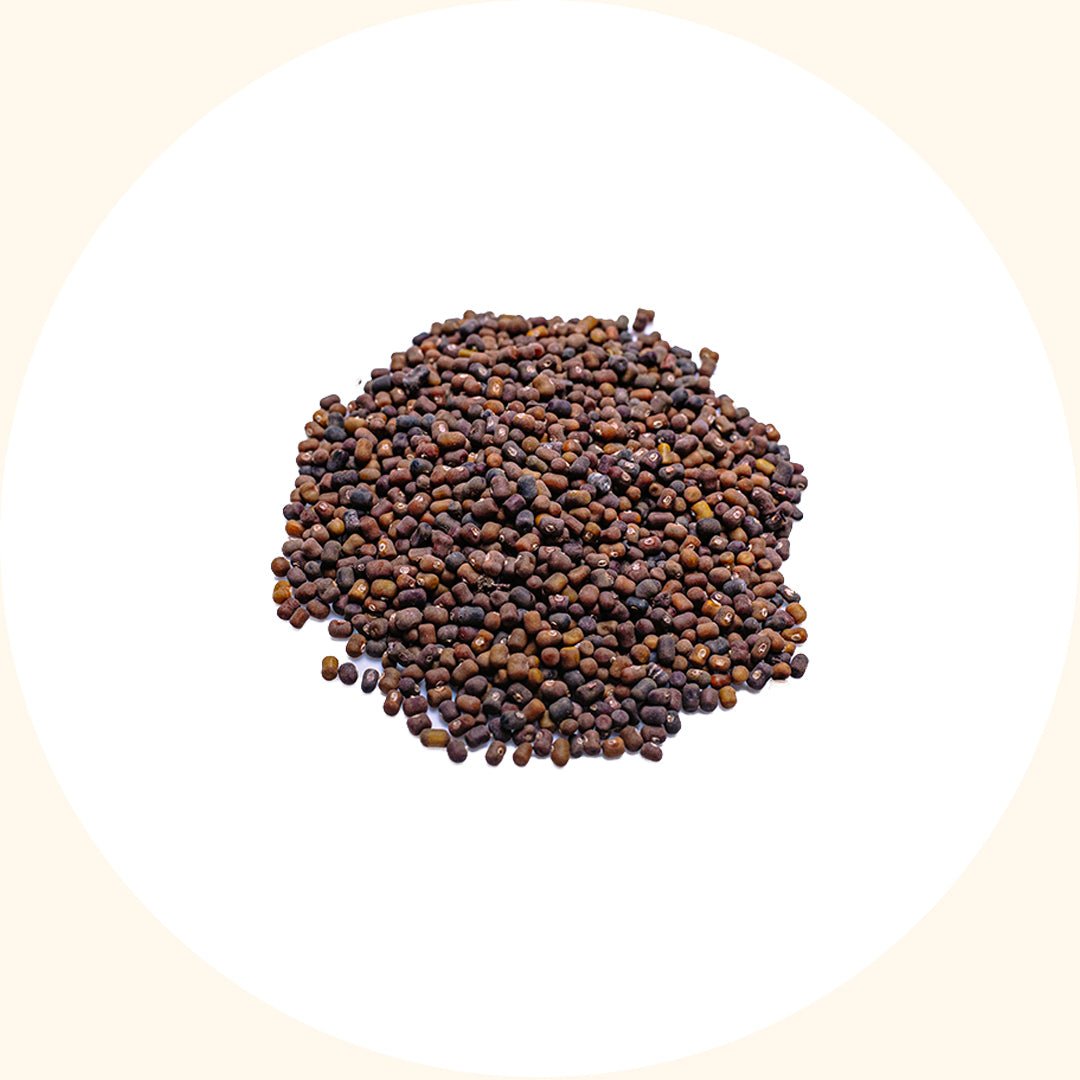
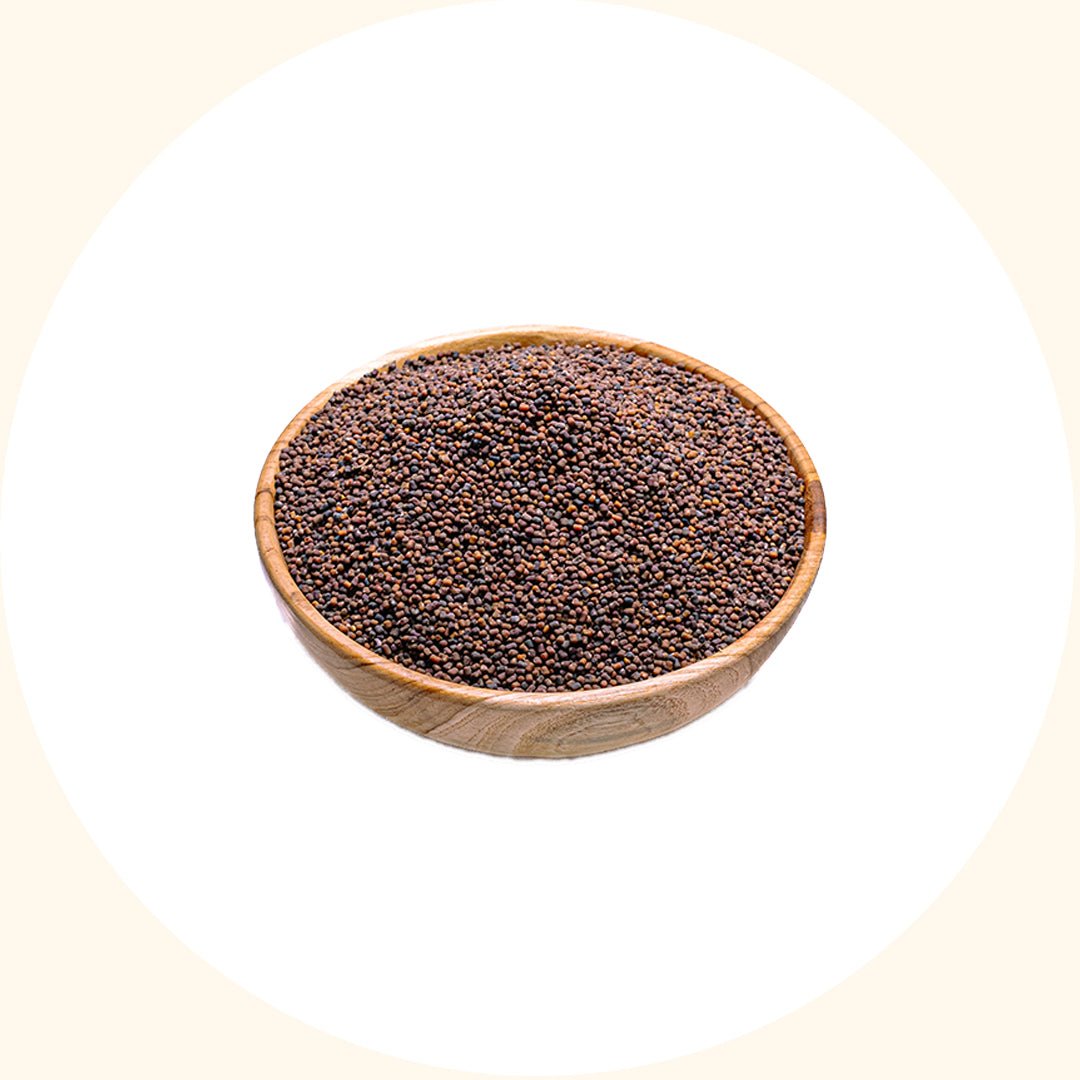
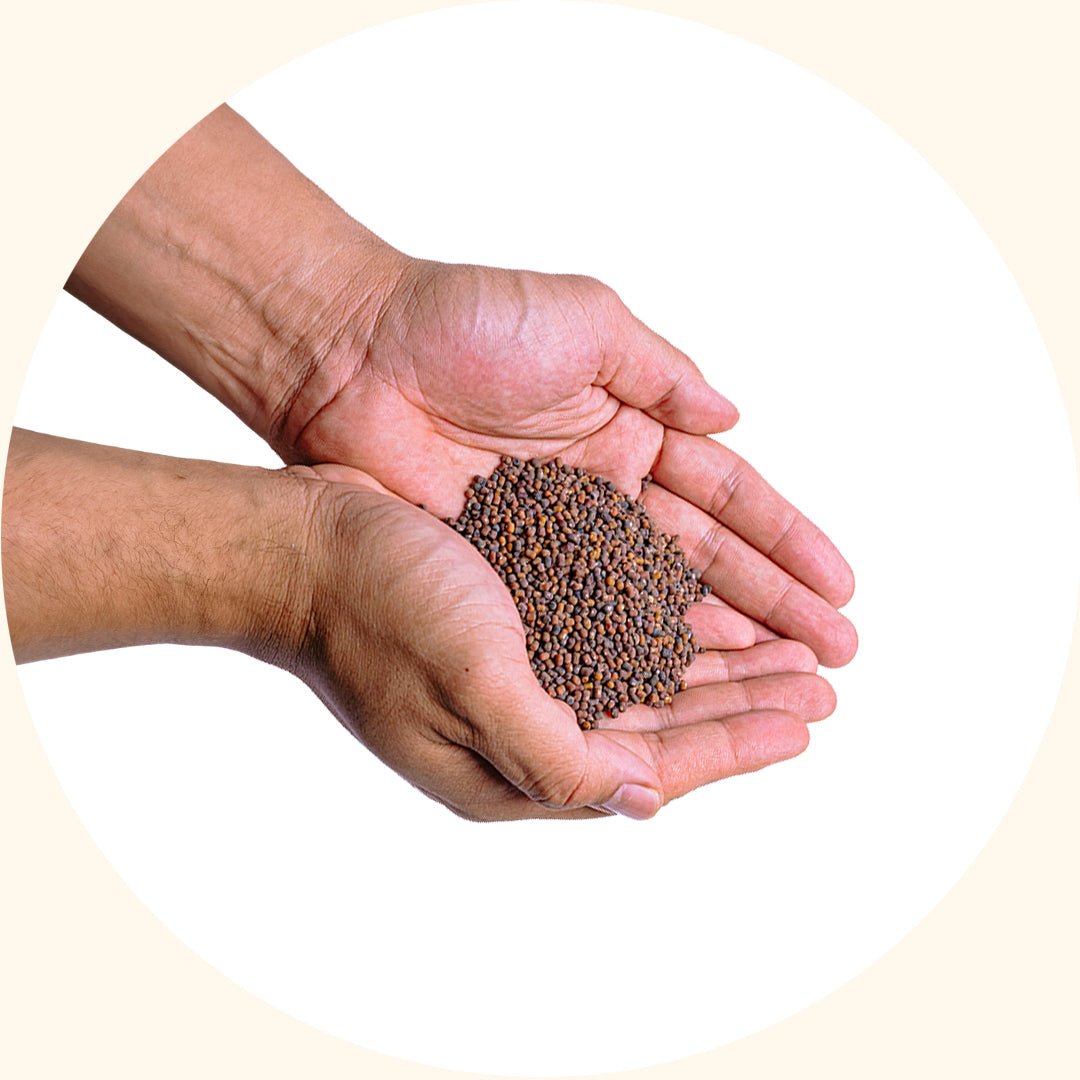
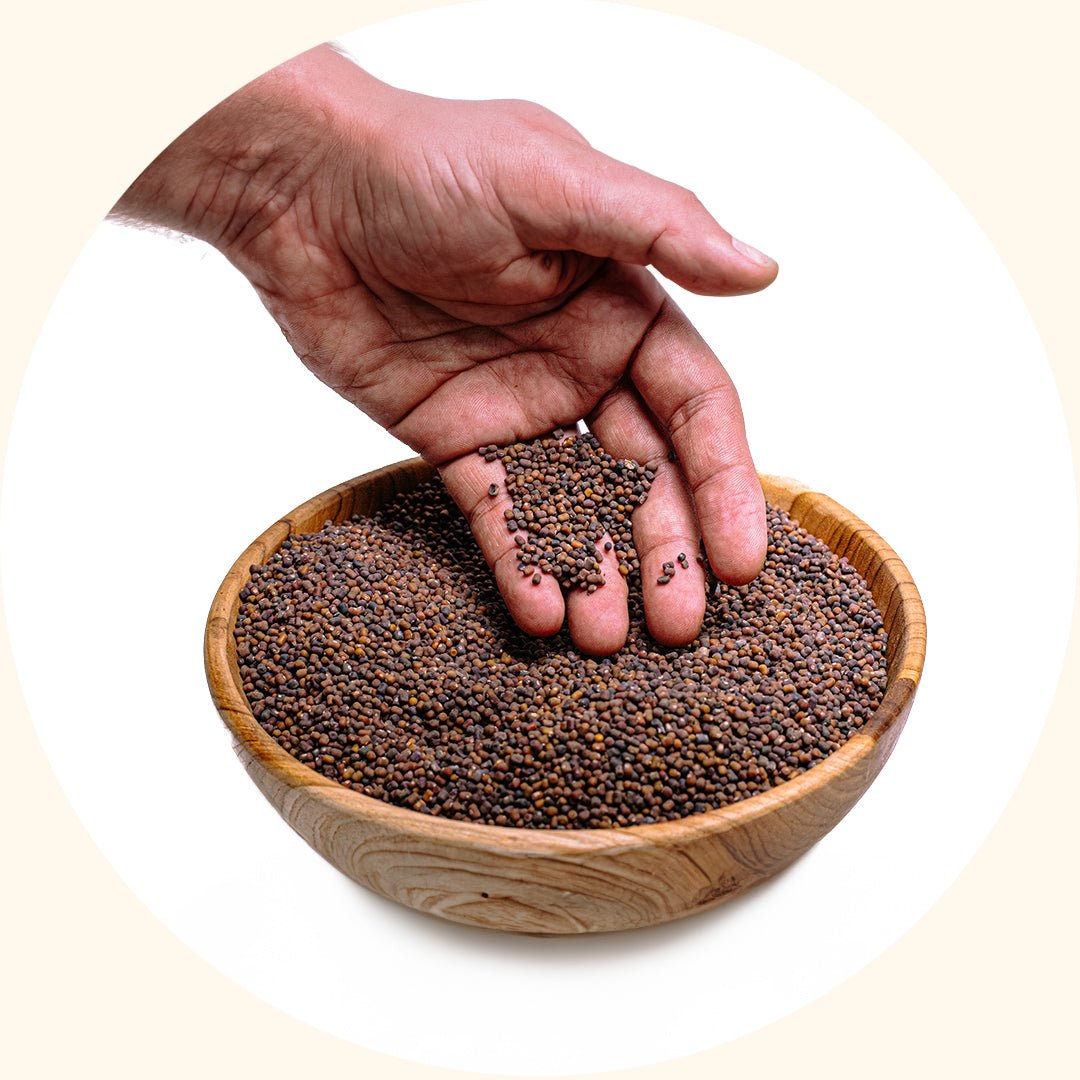
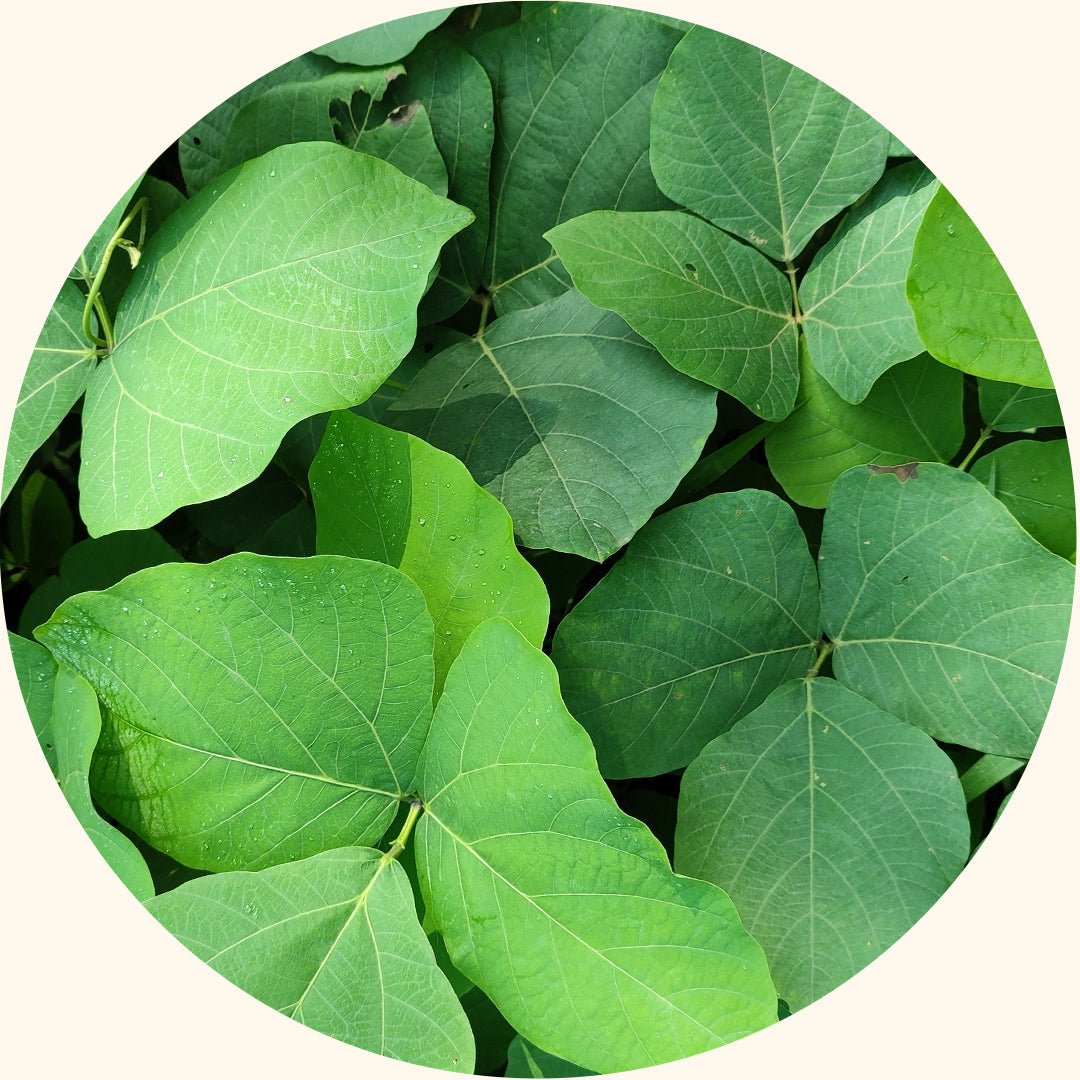
What is Pueraria javanica (PJ) and who is it for?
Pueraria javanica is a vigorous creeping and twining perennial legume widely used as a cover crop in rubber, coconut and oil palm plantations. In one trial under young rubber in northeast Thailand (Clermont-Dauphin et al. 2016) it produced about 8 Mg/ha/yr of above-ground biomass and accumulated up to 250 kg N/ha/yr in it, 85 to 93 percent of that nitrogen derived from fixation. In young rubber in Côte d'Ivoire, a Pueraria cover in the inter-row cut runoff by 88 percent and soil loss by 98 percent against bare soil on 1 m2 plots over three years; adding spread logging residues almost eliminated both (Perron et al. 2024). PJ tolerates acid tropical soils but is not a drought specialist and is best suited for regions with reliable rainfall.
Quick facts: Pueraria javanica (PJ)
| Scientific name | Pueraria phaseoloides (syn. P. javanica) |
|---|---|
| Growth habit | Vigorous creeping/twining perennial legume |
| Seeding rate (published) | About 4 kg/ha (Tropical Forages, CIAT and ILRI 2020); 4 kg/ha in the MPOB mixture PJ 4 + CP 3 + CC 1 (MPOB TT No. 501) |
| Soil | Acid tropical soils, including heavy clays |
| Shade tolerance | Moderate |
| Drought tolerance | Low to moderate (not a drought specialist) |
| Annual N accumulation (one trial) | Up to 250 kg N/ha/yr in above-ground biomass (NE Thailand, Clermont-Dauphin et al. 2016) |
| N from the air (Ndfa) | 85 to 93% (same trial) |
| Biomass production (one trial) | About 8 Mg/ha/yr above ground under young rubber (Clermont-Dauphin et al. 2016) |
| Time to ground cover | 60 to 70% cover at about 4 months, 90 to 100% at 8 months (PROSEA 11); hard seed needs scarification |
Where does Pueraria javanica (PJ) work best?
Best for
- Immature rubber plantations
- Coconut systems and coconut basin management
- Erosion-prone slopes
- Acid tropical soils
- Legume cover crop mixtures
Not ideal for
- Prolonged dry seasons or drought-prone regions
- Mature shaded canopy without companion species (CC or CP)
- Areas where rapid initial cover is critical (CM is faster)
What Pueraria javanica (PJ) will not do
PJ does not increase latex yield in rubber. There is no published evidence supporting a direct latex yield improvement from PJ cover. PJ does not prevent Tapping Panel Dryness. For coconut yield claims, the comparator matters: yield improvements are relative to bare-soil or unmanaged basins, not to other cover crop systems. On water-limited ground the cover can compete with young trees for water (Clermont-Dauphin et al. 2016). Hard-seed dormancy means untreated seed germinates poorly, so scarify before sowing.
How to establish and use Pueraria javanica (PJ)
Published reference rates: about 4 kg/ha of PJ (Tropical Forages, CIAT and ILRI 2020); in the MPOB mixture, 4 kg/ha PJ with 3 kg/ha CP and 1 kg/ha CC, plus 5 g Rhizobium per kg of seed (MPOB TT No. 501); in the PROSEA 4 calopo:centro:kudzu 5:4:1 mixture, 2 to 5 kg/ha in total in the inter-row. The rate for your site is confirmed on the quotation. Scarify the seed before sowing because of hard-seed dormancy. In coconut systems, follow the Thomas and Shantaram 1993 protocol for basin establishment. For erosion control on slopes, PJ can be combined with CM for fast initial cover followed by PJ persistence.
What does the research say about Pueraria javanica (PJ)?
- Clermont-Dauphin et al. (2016), Agriculture, Ecosystems and Environment 217: 79-88: about 8 Mg/ha/yr above-ground biomass and up to 250 kg N/ha/yr accumulated in it under young rubber in northeast Thailand, 85 to 93% of it from fixation; the same trial found the cover reduced young rubber trees' drought resilience on water-limited ground.
- Perron et al. (2024), Science of the Total Environment 913: 169335: in young rubber in Côte d'Ivoire, a Pueraria cover in the inter-row cut runoff by 88% and soil loss by 98% against bare soil on 1 m2 plots over three years; adding spread logging residues almost eliminated both.
- Thomas and Shantaram (1993), CORD 9(1): 34: PJ and CM grown in coconut basins in laterite soil in Kerala, India (25 g seed per basin, tops harvested 120 days after sowing).
- Senarathne and Udumann (2021), CORD 37: 33-44: in a six-year trial on 50-year-old coconut in Sri Lanka, nut yield under a Pueraria cover rose relative to the trial's control, with gains only in years 4 to 6.
- PROSEA 11 (1997): PJ reaches 60 to 70% cover at about 4 months and 90 to 100% at 8 months.
Frequently asked questions about Pueraria javanica (PJ)
What is the recommended seeding rate for Pueraria javanica?
Published reference rates are about 4 kg/ha (Tropical Forages, CIAT and ILRI 2020), 4 kg/ha within the MPOB mixture of PJ 4 + CP 3 + CC 1 kg/ha (MPOB TT No. 501), or 2 to 5 kg/ha in total for the PROSEA 4 calopo:centro:kudzu 5:4:1 mixture. The rate for your site is confirmed on the quotation. Scarified seed is strongly recommended.
Does Pueraria javanica increase rubber latex yield?
There is no published evidence that PJ directly increases rubber latex yield. The documented benefits in rubber systems are nitrogen accumulation, weed suppression and erosion reduction. PJ also does not prevent Tapping Panel Dryness.
Why is seed scarification important for PJ?
PJ seed has hard-seed dormancy: water cannot enter the seed until the coat is broken, so untreated seed germinates poorly and unevenly. Mechanical or acid scarification before sowing gives more uniform establishment.
How does Pueraria javanica perform in coconut systems?
PJ is used as a basin cover crop in coconut systems following the Thomas and Shantaram 1993 protocol. In a six-year Sri Lankan trial, nut yield under a Pueraria cover rose relative to the trial's control, with gains only in years 4 to 6 (Senarathne and Udumann 2021).
What is PJ's role in erosion control?
PJ's dense surface biomass protects the soil once it covers the ground. In young rubber in Côte d'Ivoire, a Pueraria cover in the inter-row cut runoff by 88 percent and soil loss by 98 percent against bare soil on 1 m2 plots over three years; adding spread logging residues almost eliminated both (Perron et al. 2024).
What to include in your inquiry
To prepare your quotation, please include:
- Your plantation crop (rubber, coconut, oil palm)
- Soil type and approximate pH
- Annual rainfall and dry season length
- Terrain (flat, sloped)
- Planting area in hectares
- Whether you need scarified or untreated seed
- Your location (country and region)
Request a quotation, or contact us via WhatsApp: +60 17-237 4058
Sold by quotation only. Price, minimum order and lead time are confirmed on the quotation.
Chemiseed Sdn. Bhd.
Compare with related products
Documents available
Technical Data Sheet (TDS), Certificate of Analysis (COA) with germination data, Safety Data Sheet (SDS) where applicable, and, for export, a phytosanitary certificate issued by the Department of Agriculture Malaysia (DOA) are available on request. Seed lots are germination- and purity-tested to ISTA and AOSA methods.
Limitations and site considerations
Field results depend on crop system, soil, rainfall, planting method, seed quality, storage, timing, and post-establishment management. Adjust recommendations to local conditions, and contact us before ordering if you are unsure about crop fit, application rate, or site suitability.
Seeding a slope or embankment?
On road cuttings, embankments and riverbanks, lay coconut fibre net (coir netting) over the seeded slope so heavy rain does not wash the seed away before it establishes. The net and this seed can go on one quotation.