
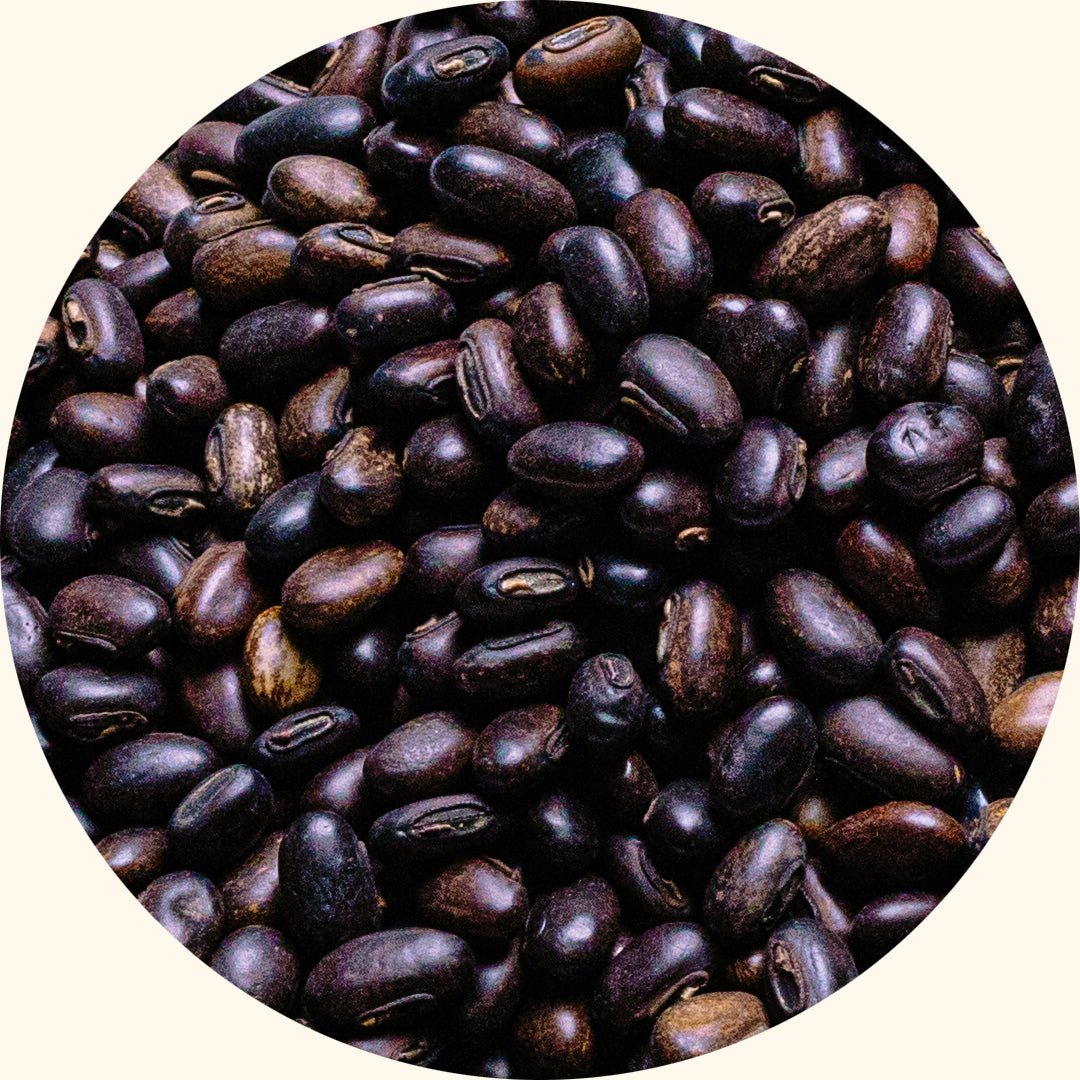
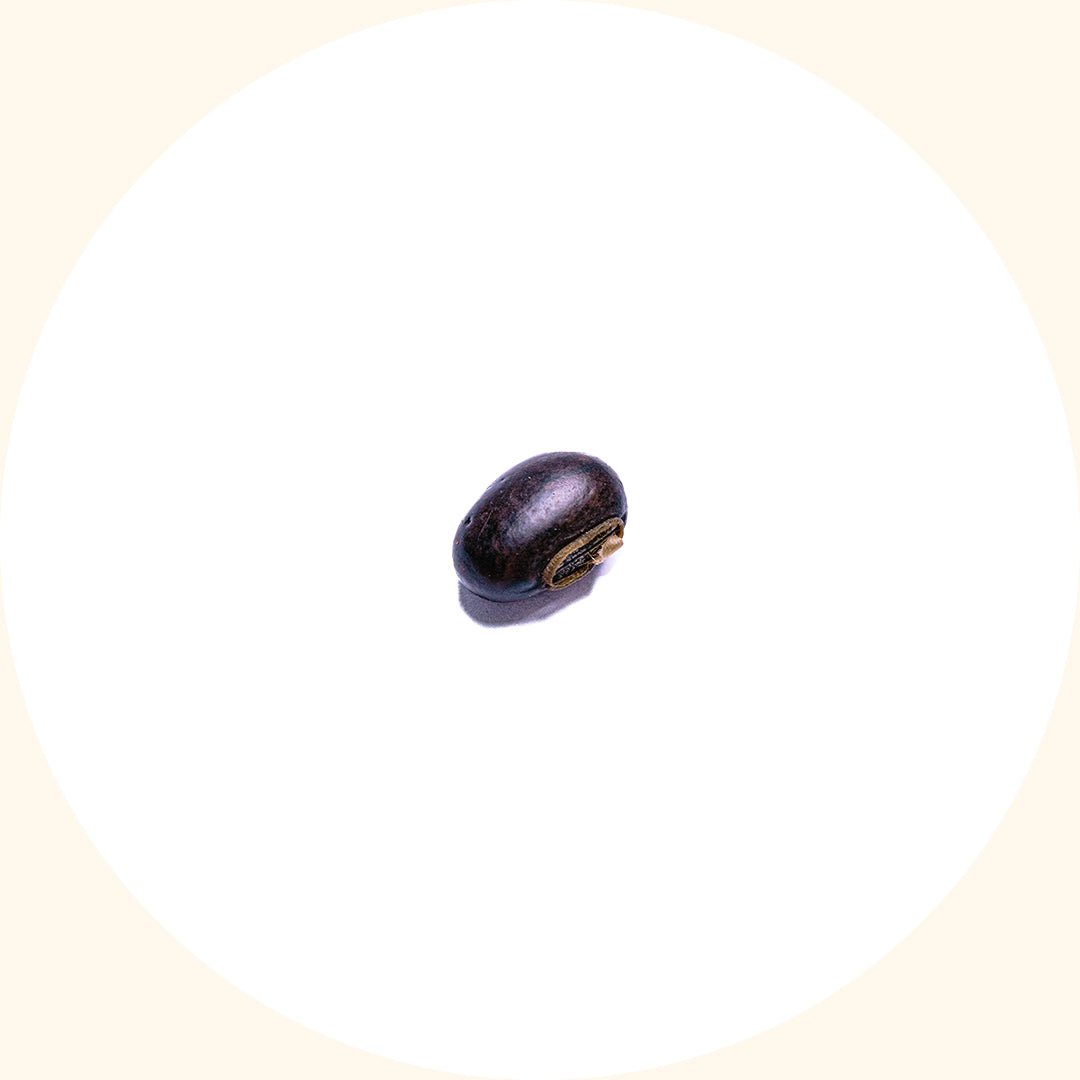
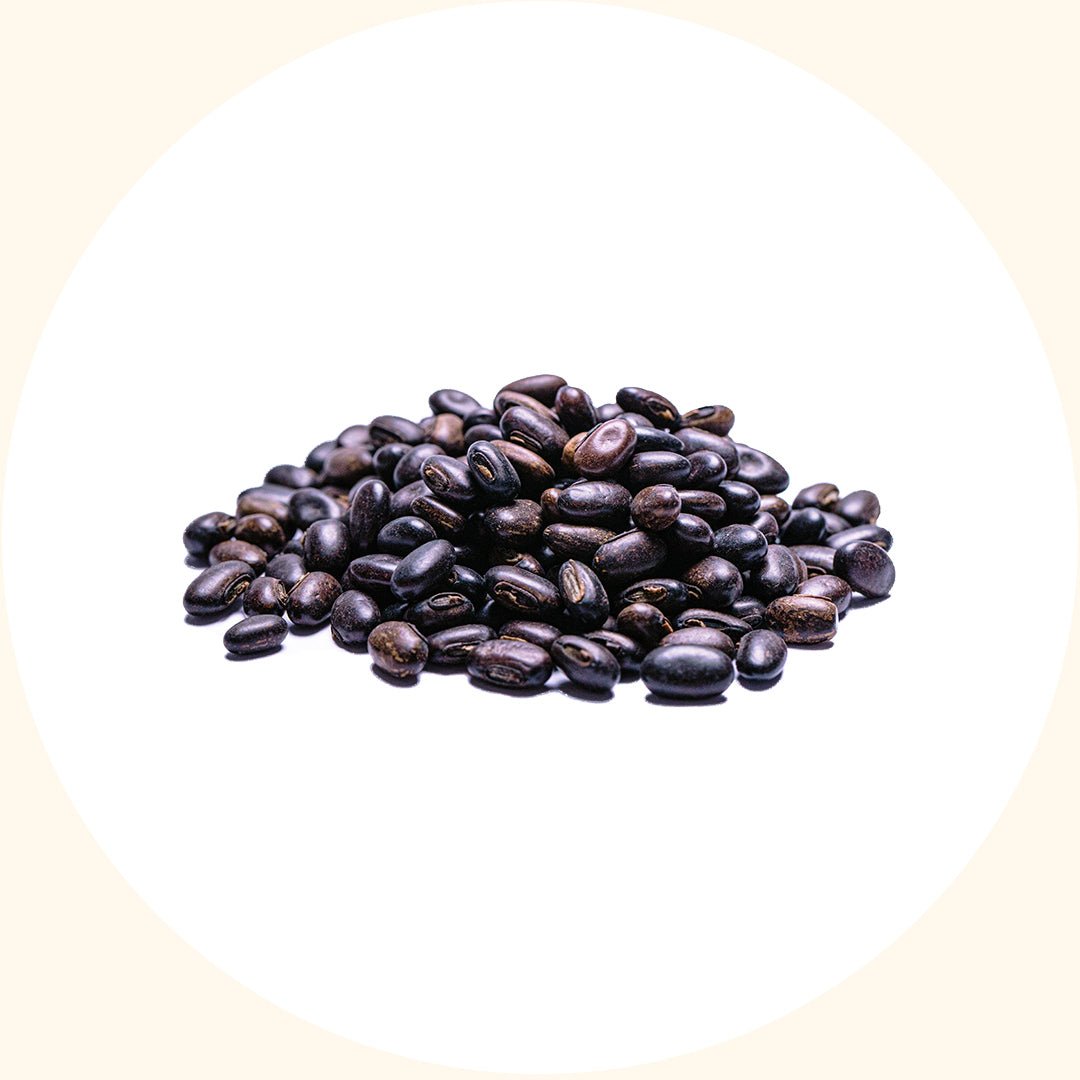
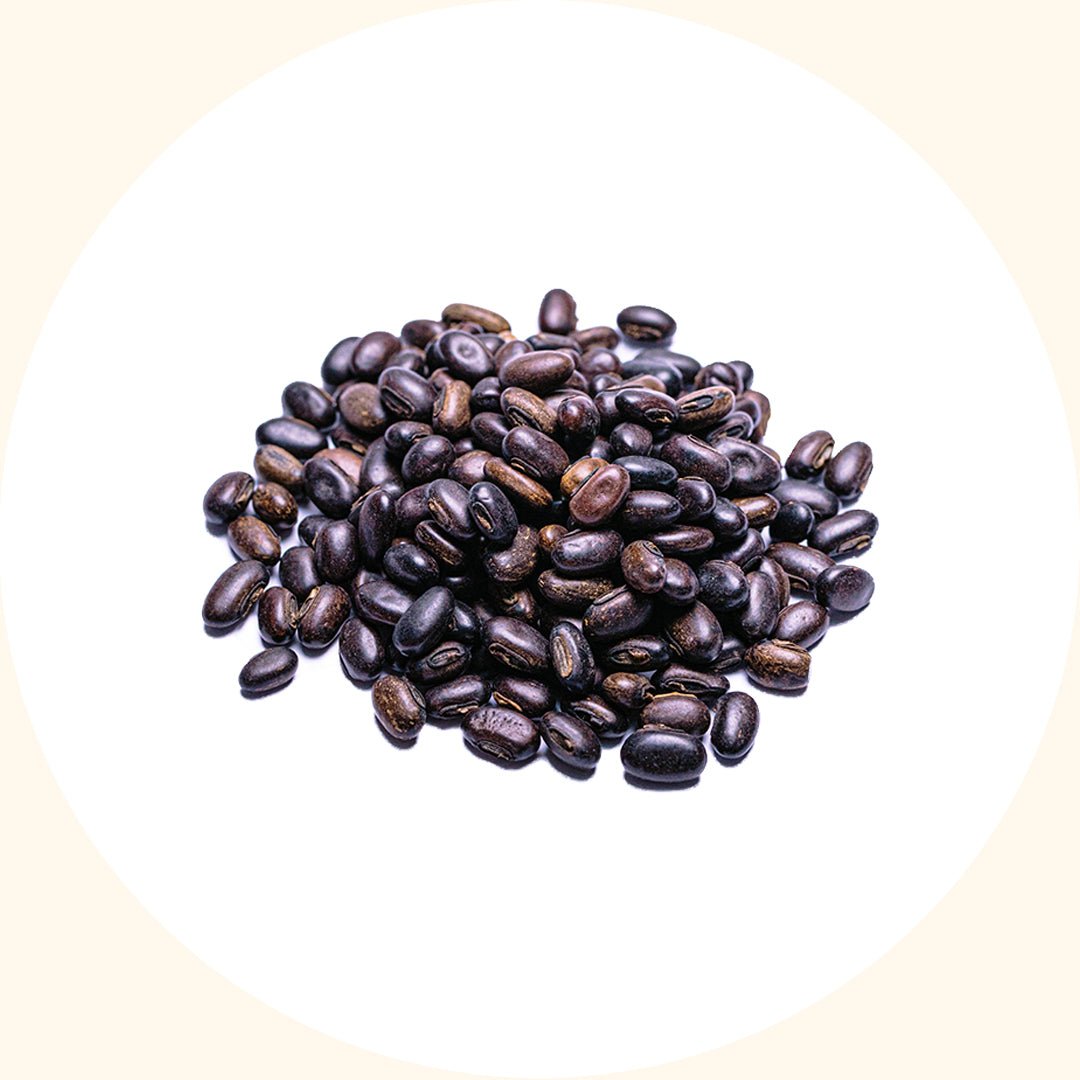
What is Mucuna bracteata (MB) and who is it for?
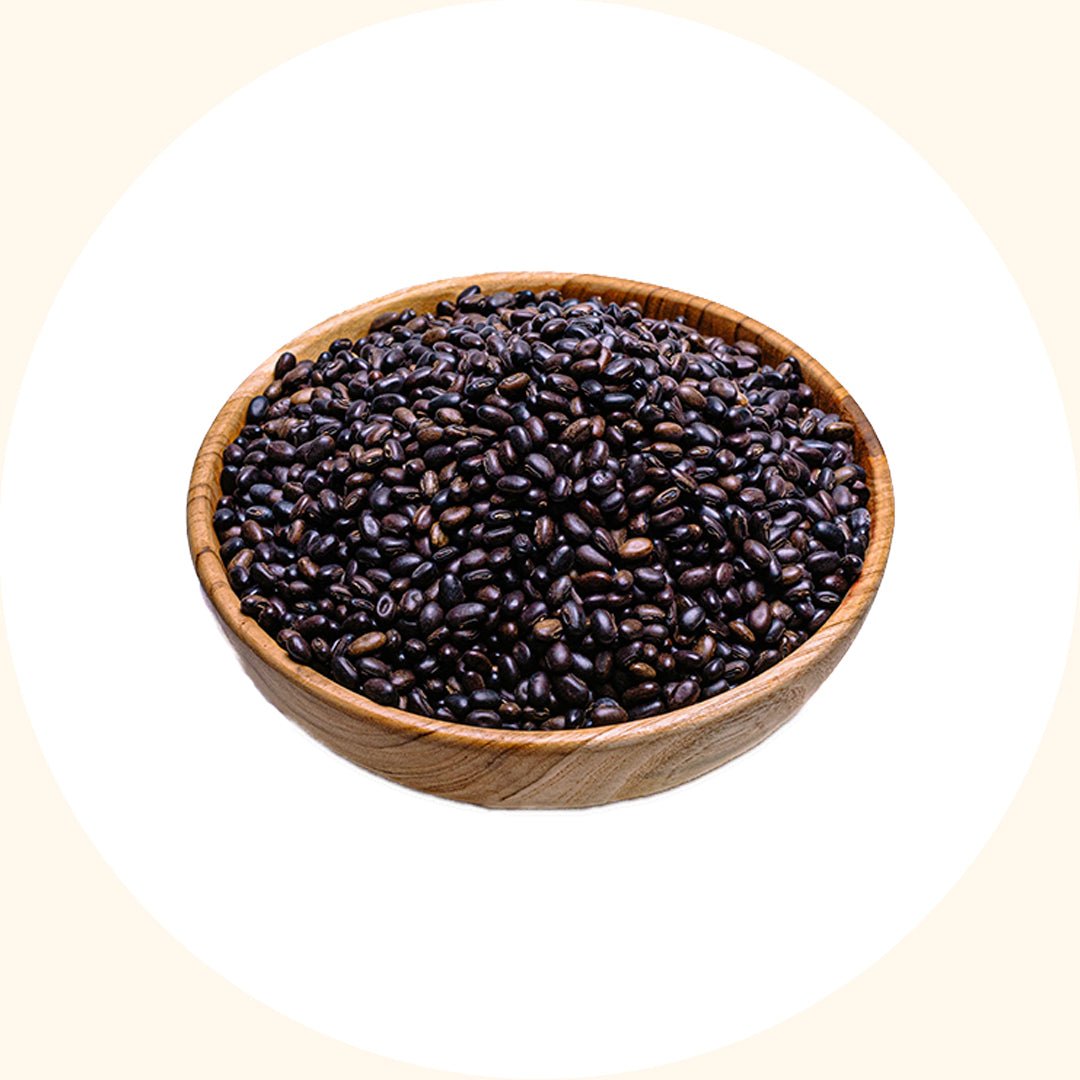
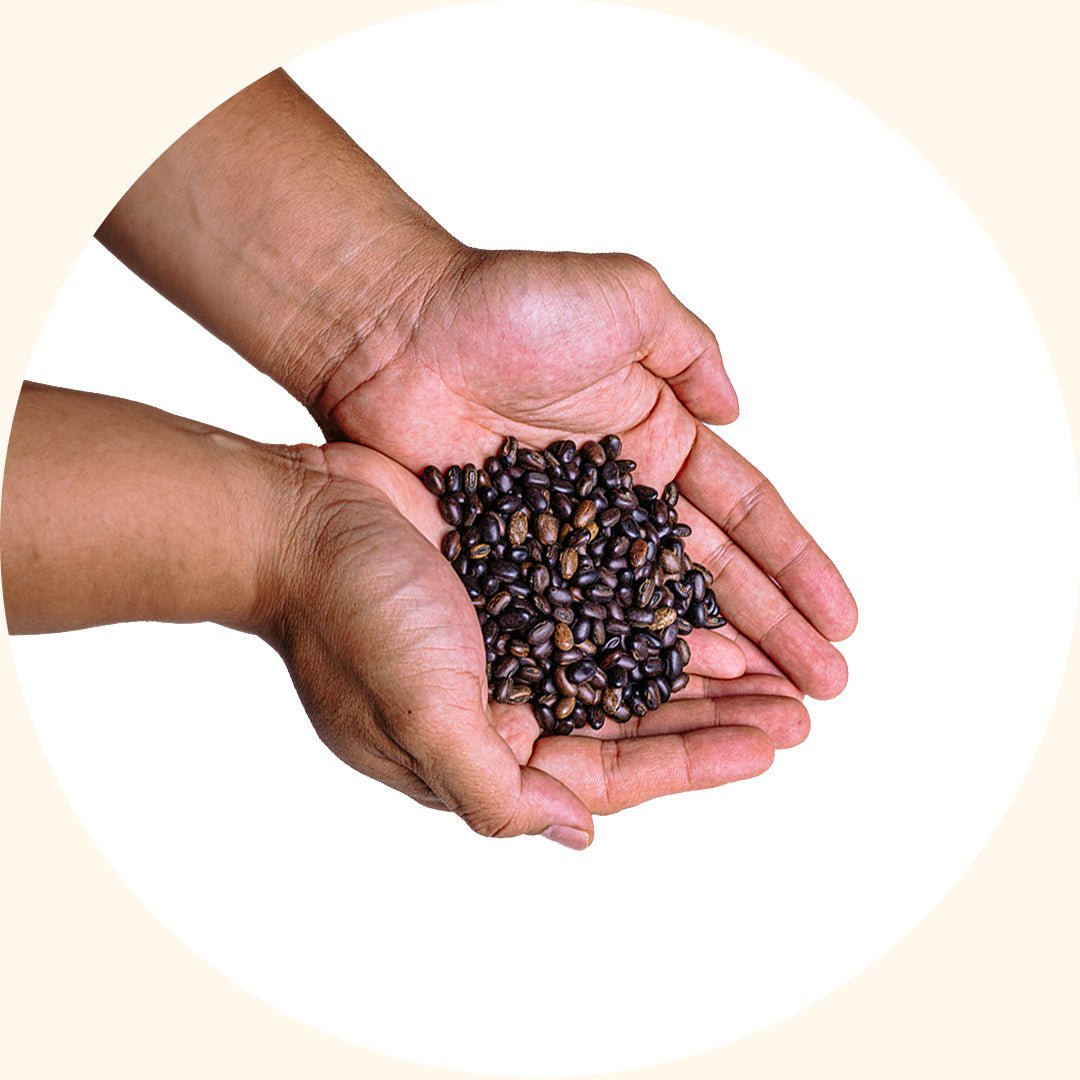
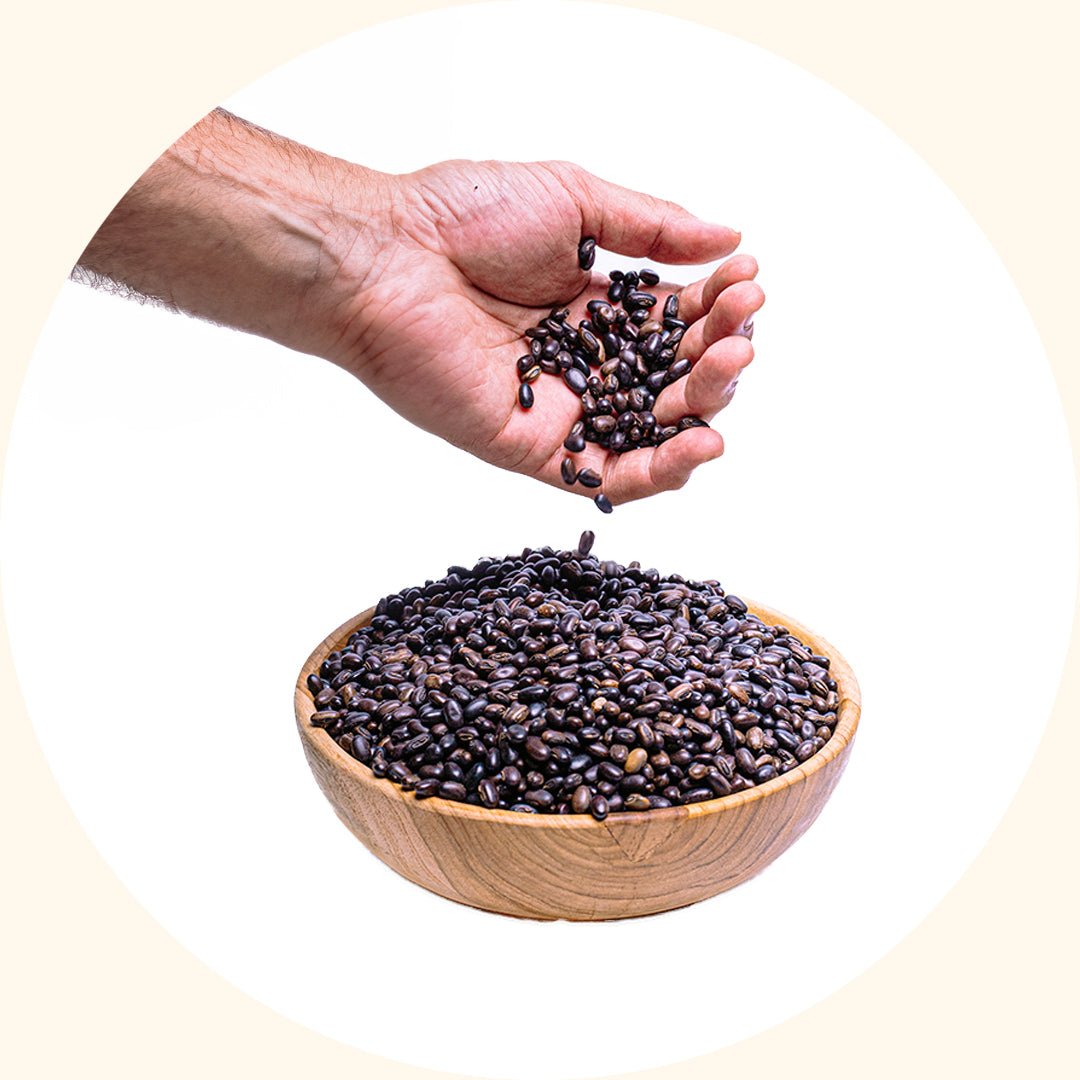
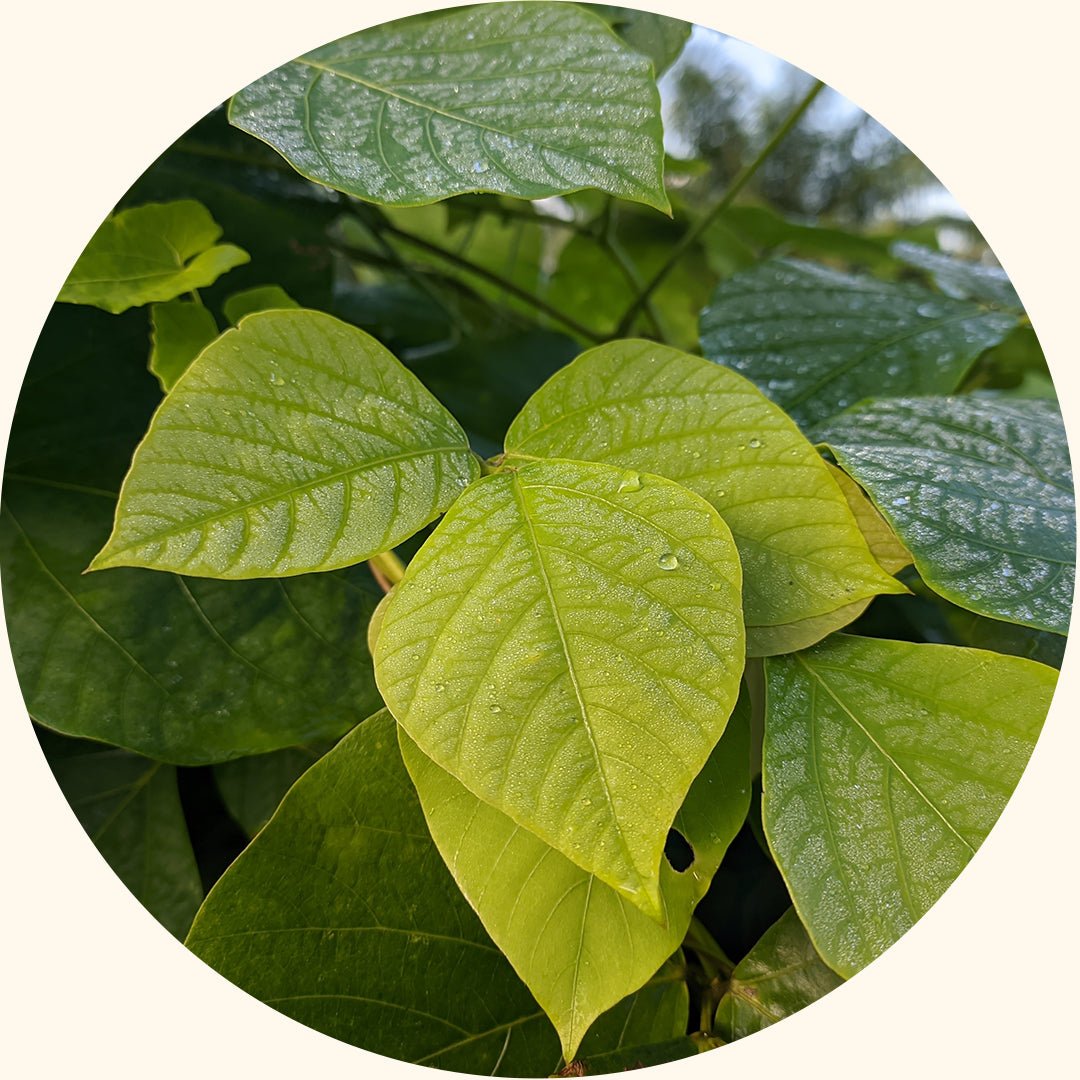
Mucuna bracteata is a vigorous climbing and creeping perennial legume used as a cover crop in oil palm and rubber plantations across Southeast Asia. In one MPOB study under three-year-old oil palm (Cheah, Zaharah and Aminuddin 2010, 15N isotope dilution) it derived 67 to 84 percent of its nitrogen from the atmosphere, with no routine annual fixation rate asserted. It is raised in a nursery and transplanted, suppresses weeds through dense biomass and tolerates dry spells once established. MB is best suited for young oil palm, peat-soil BMP programmes, sloped terrain and weed-heavy planting sites. It requires active palm-circle management and is not a maintenance-free or set-and-forget solution.
Quick facts: Mucuna bracteata (MB)
| Scientific name | Mucuna bracteata |
|---|---|
| Growth habit | Vigorous climbing/creeping perennial legume |
| Planting rate (published) | Nursery seedlings, not broadcast: 320/ha, two per palm point, from about 500 seeds (75 g) on deep peat (MPOB TT No. 501); 680/ha at 1.5 m spacing on mineral soil (Samedani et al. 2015) |
| Soil | Mineral and peat plantation soils |
| Shade tolerance | Low to moderate (prefers open to partial sun) |
| Drought tolerance | Tolerates dry spells once established |
| N from the air (Ndfa) | 67 to 84% in one MPOB study (Cheah, Zaharah and Aminuddin 2010) |
| Annual N fixation rate | No routine annual rate asserted |
| Time to ground cover (published trials) | About 100% at 6 months with 680 seedlings/ha on mineral soil (Samedani et al. 2015); 31% at 6 months, 58% at 12, 75% at 18 and 78% at 24 months with 320 seedlings/ha on deep peat (MPOB TT No. 501) |
Where does Mucuna bracteata (MB) work best?
Best for
- Young oil palm plantations
- Oil palm peat BMP programs (MPOB TT-501)
- Sloped terrain requiring erosion control
- Weed-heavy planting sites
- Coconut systems (with management)
Not ideal for
- Deep shade environments
- Unmanaged young oil palm (can smother palms without circle maintenance)
- Mature shaded rubber plantations
What Mucuna bracteata (MB) will not do
Requires active palm-circle management throughout establishment and maintenance periods. MB is not a maintenance-free cover crop and it is not a disease treatment for any crop. No yield increase is promised: yield responses depend on site conditions and management.
How to establish and use Mucuna bracteata (MB)
MB is raised in a nursery and transplanted, not broadcast. For oil palm on deep peat, MPOB TT No. 501 (2012) used about 320 seedlings per hectare, two per palm point, raised from about 500 seeds (75 g). On mineral soil, Samedani et al. (2015) used 680 seedlings per hectare at 1.5 m spacing. The planting rate for your site is confirmed on the quotation. Maintain clear palm circles throughout establishment to prevent smothering of young palms. On sloped terrain, MB protects the soil once it covers the ground.
What does the research say about Mucuna bracteata (MB)?
- Cheah, Zaharah and Aminuddin (2010), MPOB Oil Palm Bulletin 60: 22-27: 67 to 84% of MB nitrogen derived from the atmosphere under three-year-old oil palm on Jawa Series soil (15N isotope dilution); no annual rate is derived from it.
- MPOB TT No. 501 (Hasnol Othman, Farawahida Mohamad Darus and Zulkifli Hashim, 2012): peat BMP establishment with about 320 seedlings/ha; ground cover 31% at 6 months, 58% at 12, 75% at 18 and 78% at 24 months on deep peat at Teluk Intan.
- Samedani et al. (2015), Int. J. Agric. Biol. 17(2): 251-260: about 100% ground cover at 6 months with 680 seedlings/ha on mineral soil; across the cover crop treatments together, weed dry weight was 97.3 to 99.9% lower and weed density 94.77 to 99.73% lower than unweeded plots, 9 to 24 months after planting (UPM trial, oil palm).
- Wawan et al. (2019), IOP Conf. Ser. Earth Environ. Sci. 250: 012021: on slopes in immature oil palm in Riau, Indonesia, plots with MB lost less soil than plots without it (small plots, two replicates).
Frequently asked questions about Mucuna bracteata (MB)
Why does Mucuna bracteata need active management?
MB is a vigorous climber that can overgrow palm circles if left unmanaged. Regular palm-circle clearing is essential to prevent competition with young palms. It is not a set-and-forget cover crop.
Can Mucuna bracteata smother young oil palms?
Yes. Without active palm-circle management, MB can climb and smother young oil palms. This is why MPOB protocols emphasise regular clearing around palm bases during establishment.
What is the published planting rate for Mucuna bracteata?
MB is planted as nursery seedlings, not broadcast. MPOB TT No. 501 (2012) used about 320 seedlings per hectare, two per palm point, raised from about 500 seeds (75 g), on deep peat. Samedani et al. (2015) used 680 seedlings per hectare at 1.5 m spacing on mineral soil. The rate for your site is confirmed on the quotation.
Is Mucuna bracteata drought tolerant?
MB tolerates dry spells once established, but seedlings need moisture to establish. Plant at the start of the rainy season and keep nursery seedlings watered. No verified figure for drought survival is published here.
Does Mucuna bracteata increase FFB yield?
No yield increase is promised. Yield outcomes depend on site conditions, management quality and other agronomic factors. The evidence-backed benefits are nitrogen from fixation, weed suppression and soil protection.
What to include in your inquiry
To prepare your quotation, please include:
- Your plantation crop (oil palm, rubber, coconut)
- Soil type (mineral, peat, sandy)
- Terrain (flat, sloped, hilly)
- Current weed pressure level
- Planting area in hectares
- Whether you need seedlings or direct seed
- Your location (country and region)
Request a quotation, or contact us via WhatsApp: +60 17-237 4058
Sold by quotation only. Price, minimum order and lead time are confirmed on the quotation.
Chemiseed Sdn. Bhd.
Compare with related products
Documents available
Technical Data Sheet (TDS), Certificate of Analysis (COA) with germination data, Safety Data Sheet (SDS) where applicable, and, for export, a phytosanitary certificate issued by the Department of Agriculture Malaysia (DOA) are available on request. Seed lots are germination- and purity-tested to ISTA and AOSA methods.
Limitations and site considerations
Field results depend on crop system, soil, rainfall, planting method, seed quality, storage, timing, and post-establishment management. Adjust recommendations to local conditions, and contact us before ordering if you are unsure about crop fit, application rate, or site suitability.