
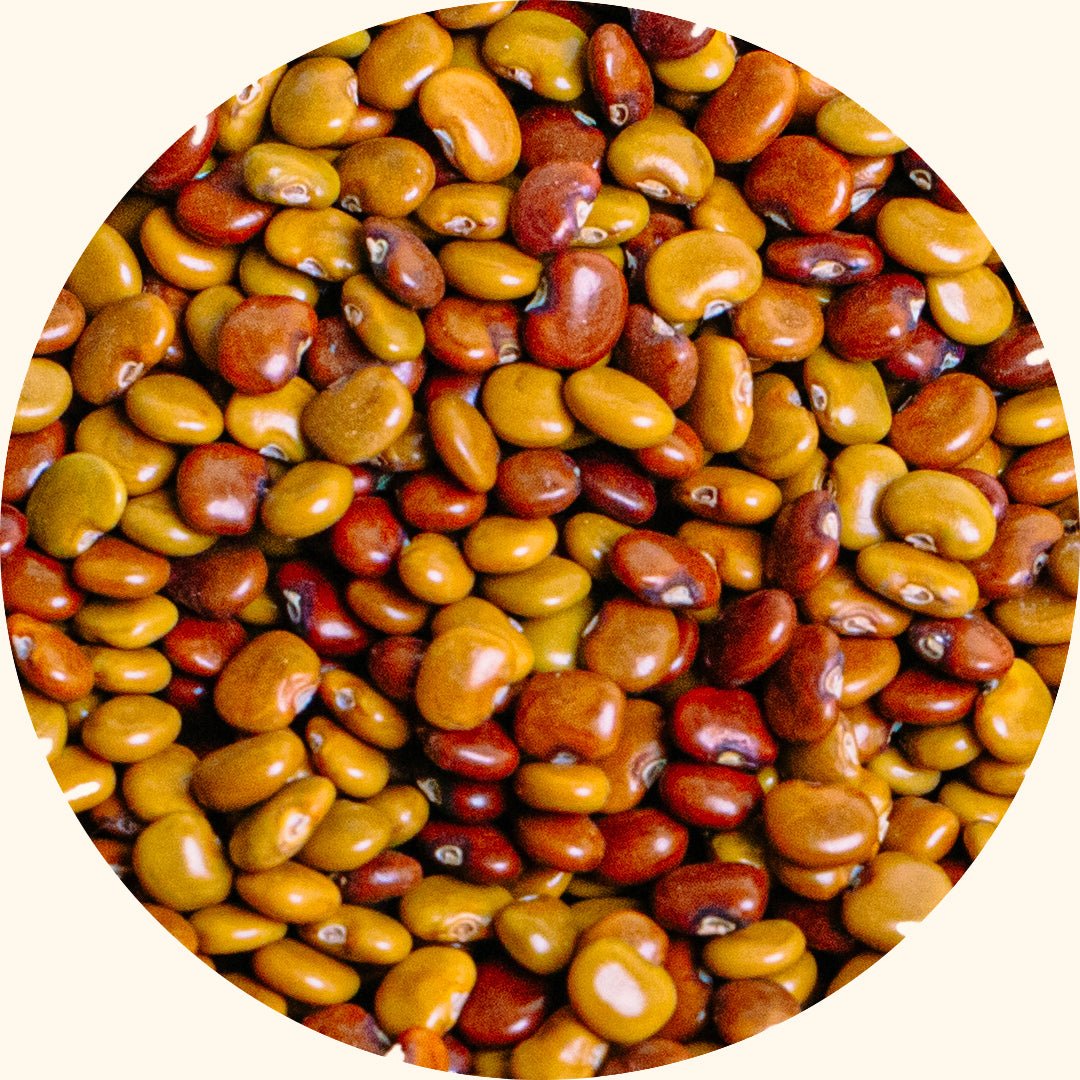
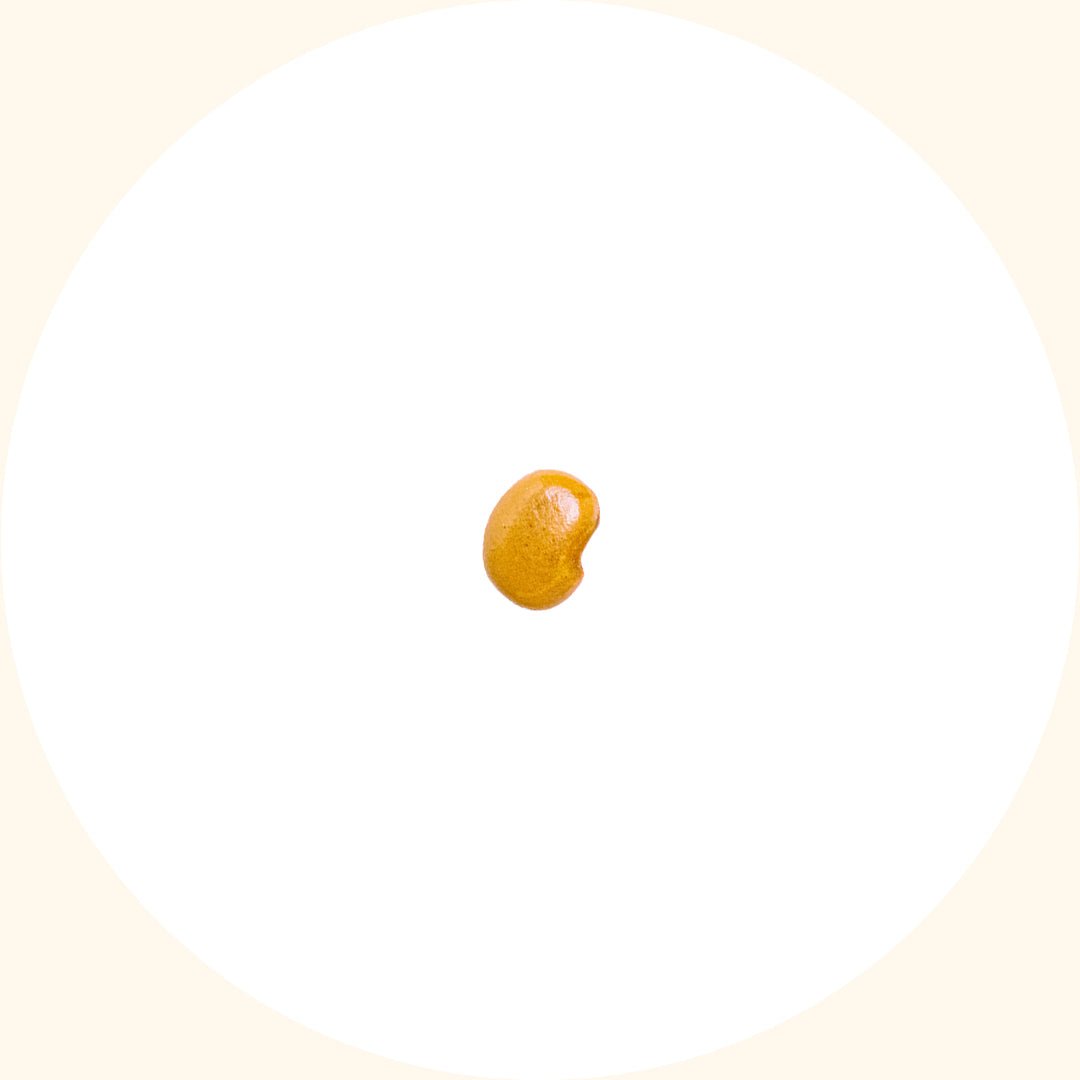
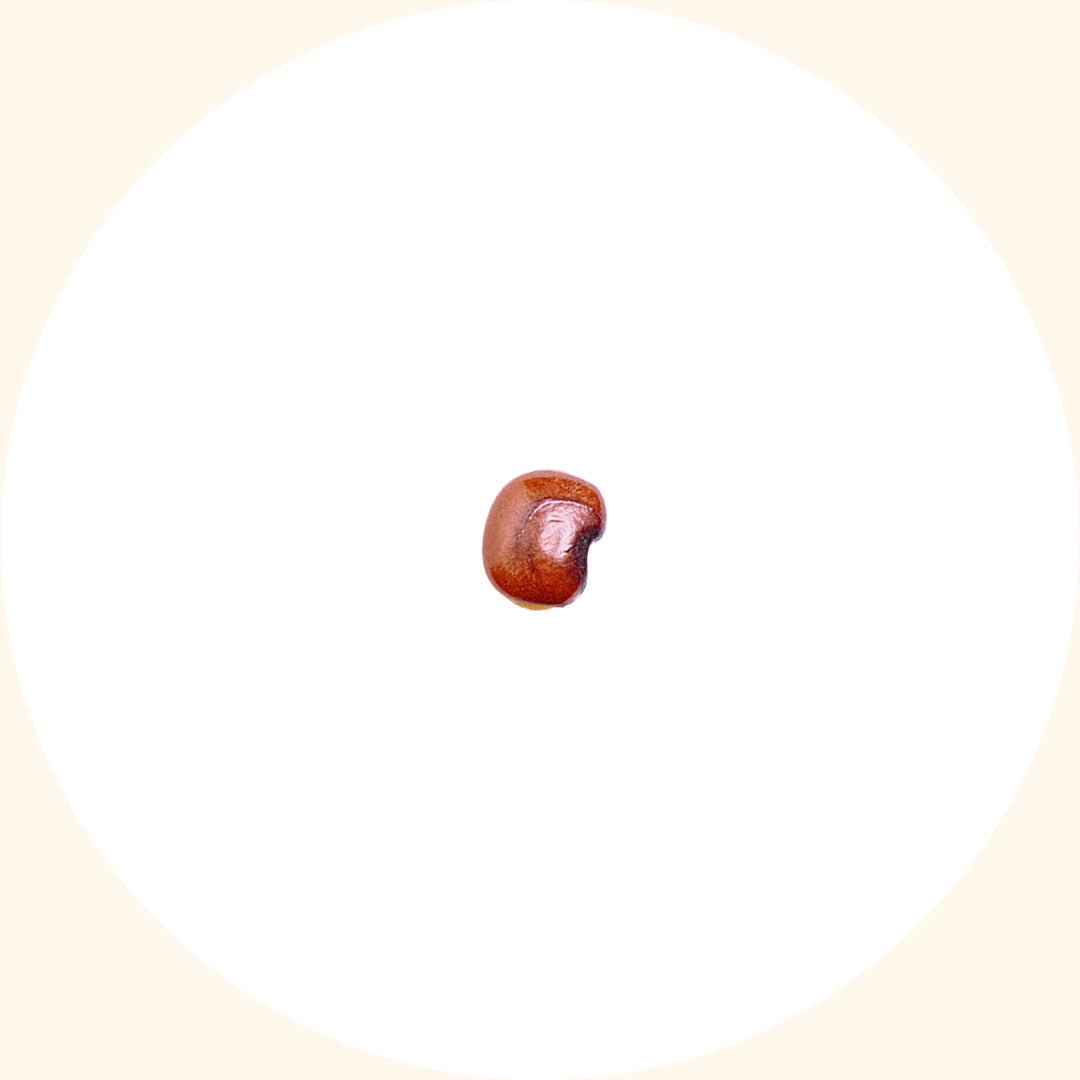
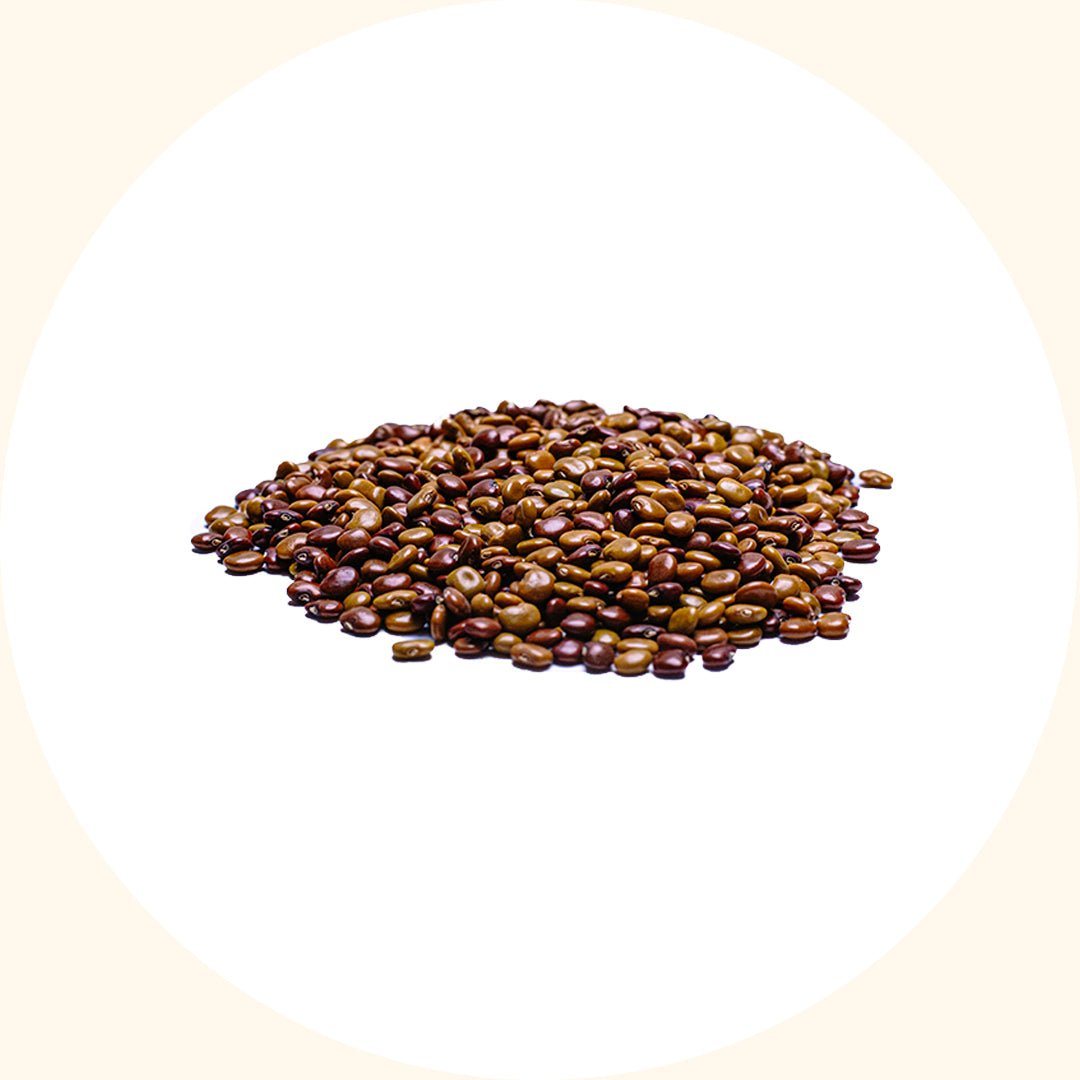
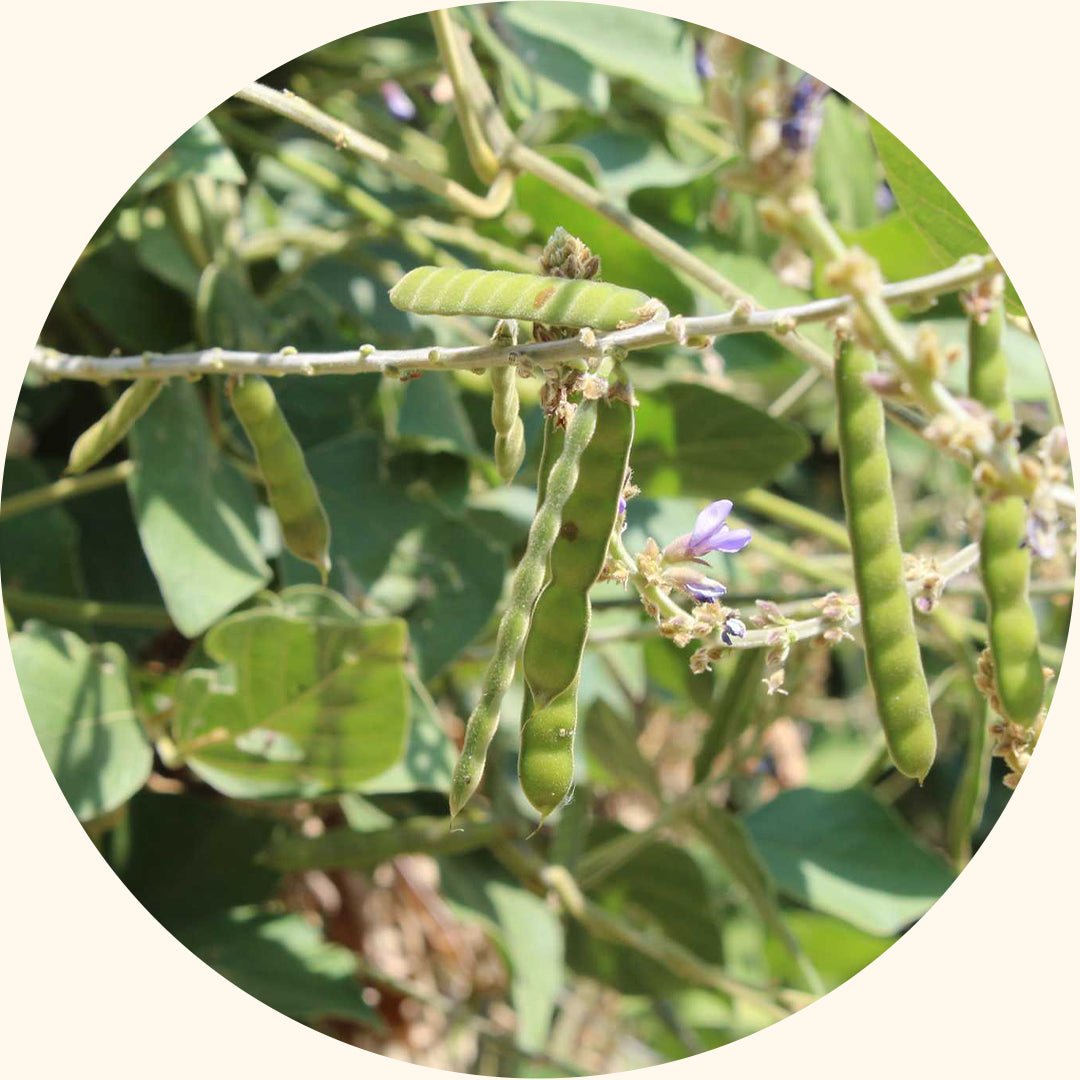
What is Calopogonium caeruleum (CC) and who is it for?
Calopogonium caeruleum is a creeping perennial legume recognised as one of the strongest shade-tolerant legume cover crops for tropical plantation systems. It tolerates very acid soils and persists under mature canopy where other species thin out; Tropical Forages records 1 to 1.5 t DM/ha/yr under mature oil palm at 10% light. No single species-specific annual fixation rate is published for CC from verified evidence (one Papua New Guinea oil palm survey estimated 28 to 75 percent of its nitrogen from fixation). CC is particularly suited for mature shaded rubber, cacao and tree-crop systems on well-drained sites. It has more limited published agronomic data than PJ or MB, which is worth noting when choosing species.
Quick facts: Calopogonium caeruleum (CC)
| Scientific name | Calopogonium caeruleum |
|---|---|
| Growth habit | Creeping perennial legume |
| Seeding rate (published) | No published rate sown alone; 1 to 1.5 kg/ha sown with 5 to 7.5 kg/ha PJ (Tropical Forages, CIAT and ILRI 2020); 1 kg/ha in the MPOB mixture (MPOB TT No. 501) |
| Soil | Tolerates very acid soils |
| Shade tolerance | High (1 to 1.5 t DM/ha/yr under mature oil palm at 10% light, Tropical Forages) |
| Drought tolerance | Moderate |
| Annual N fixation rate | No verified species-specific rate |
| N from the air (Ndfa) | 28 to 75% in one PNG oil palm survey (Pipai et al. 2023) |
| Time to ground cover | Slow; may take up to 20 months to cover fully (PROSEA 4) |
Where does Calopogonium caeruleum (CC) work best?
Best for
- Mature shaded rubber plantations
- Shaded tree-crop systems (cacao, coconut)
- Very acid soils
- Well-drained sites under closed canopy
- Long-term persistent shade cover
Not ideal for
- Waterlogged or poorly drained sites
- Full-sun situations requiring fast initial cover
- Sites where rapid establishment is the priority
What Calopogonium caeruleum (CC) will not do
CC performs best on well-drained sites and is not recommended for waterlogged or poorly drained conditions. The published agronomic data for CC is more limited compared to better-studied species like PJ and MB. Establishment is moderate to slow, so CC is not the best choice when rapid initial ground cover is the primary objective. For fast cover, combine CC with CM as a pioneer species.
How to establish and use Calopogonium caeruleum (CC)
Published reference rates: 1 to 1.5 kg/ha of CC sown with 5 to 7.5 kg/ha PJ (Tropical Forages, CIAT and ILRI 2020); in the MPOB mixture, 1 kg/ha CC with 4 kg/ha PJ and 3 kg/ha CP (MPOB TT No. 501). No rate is published for sowing CC alone. The rate for your site is confirmed on the quotation. CC is best established on well-drained sites under partial to full shade. For sites needing both fast initial cover and long-term shade persistence, combine CC with CM (fast pioneer) and PJ. CC is most valuable in mature plantation systems where the canopy has closed and other cover crops have begun to thin.
What does the research say about Calopogonium caeruleum (CC)?
- Tropical Forages (CIAT and ILRI 2020) CC profile: 3 to 7 t DM/ha/yr in the open and 1 to 1.5 t DM/ha/yr under mature oil palm at 10% light; 1 to 1.5 kg/ha sown with 5 to 7.5 kg/ha PJ.
- PROSEA 4 (1992): CC may take up to 20 months to cover fully.
- Han and Chew (1982): in oil palm inter-rows in Malaysia, CC was slow to establish but grew vigorously after establishment.
- Pipai et al. (2023), Plant and Soil 491: one 2012 survey of oil palm plantations in Papua New Guinea estimated 28 to 75% of CC nitrogen from fixation.
Frequently asked questions about Calopogonium caeruleum (CC)
Why choose Calopogonium caeruleum over other cover crops?
CC is chosen specifically for its strong shade tolerance and ability to persist under closed canopy where other species decline. If your primary challenge is maintaining ground cover in mature shaded plantations, CC is one of the best options available. For young open plantings, faster-establishing species like CM or MB would be more appropriate.
Does Calopogonium caeruleum tolerate very acidic soil?
Yes. CC tolerates very acid soils, which makes it suitable for the strongly acid soils found in many Malaysian plantation regions. Confirm with your soil test.
Where does CC work best?
CC performs best on well-drained sites under partial to heavy shade. It is particularly suited for mature shaded rubber, cacao and tree-crop systems. It is not recommended for waterlogged or poorly drained sites.
Can Calopogonium caeruleum be used in rubber plantations?
Yes. CC is one of the preferred cover crops for mature shaded rubber plantations. As rubber canopy closes, many other legume cover crops thin out, but CC maintains ground cover under these conditions. It adds nitrogen through fixation, suppresses weeds and protects the soil in mature rubber systems.
What to include in your inquiry
To prepare your quotation, please include:
- Your plantation crop (rubber, cacao, coconut, oil palm)
- Canopy density (open, partial, closed)
- Soil drainage conditions
- Soil pH (especially if below 4.5)
- Planting area in hectares
- Whether you plan to use CC alone or in a mixture
- Your location (country and region)
Request a quotation, or contact us via WhatsApp: +60 17-237 4058
Sold by quotation only. Price, minimum order and lead time are confirmed on the quotation.
Chemiseed Sdn. Bhd.
Compare with related products
Documents available
Technical Data Sheet (TDS), Certificate of Analysis (COA) with germination data, Safety Data Sheet (SDS) where applicable, and, for export, a phytosanitary certificate issued by the Department of Agriculture Malaysia (DOA) are available on request. Seed lots are germination- and purity-tested to ISTA and AOSA methods.
Limitations and site considerations
Field results depend on crop system, soil, rainfall, planting method, seed quality, storage, timing, and post-establishment management. Adjust recommendations to local conditions, and contact us before ordering if you are unsure about crop fit, application rate, or site suitability.
Seeding a slope or embankment?
On road cuttings, embankments and riverbanks, lay coconut fibre net (coir netting) over the seeded slope so heavy rain does not wash the seed away before it establishes. The net and this seed can go on one quotation.