
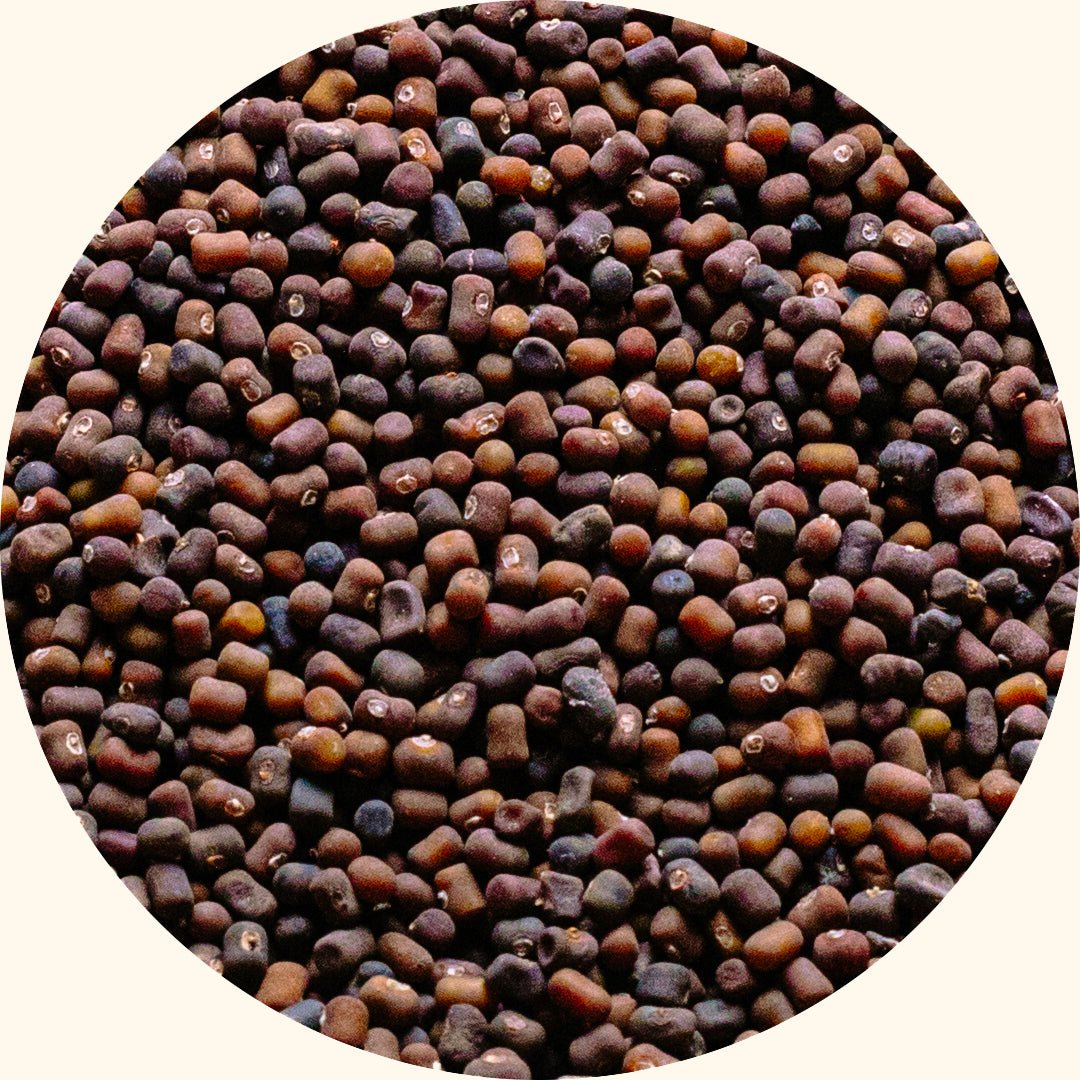

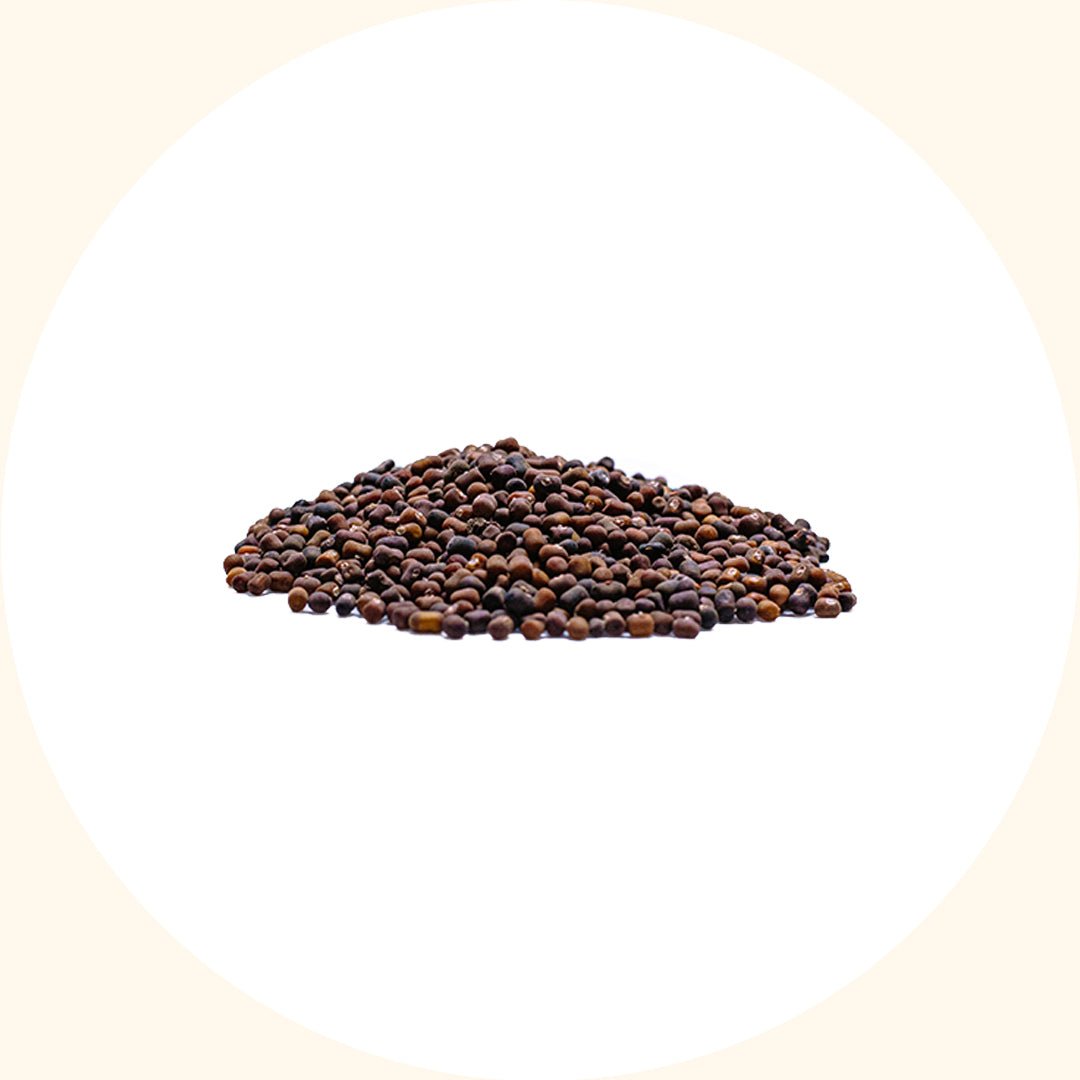
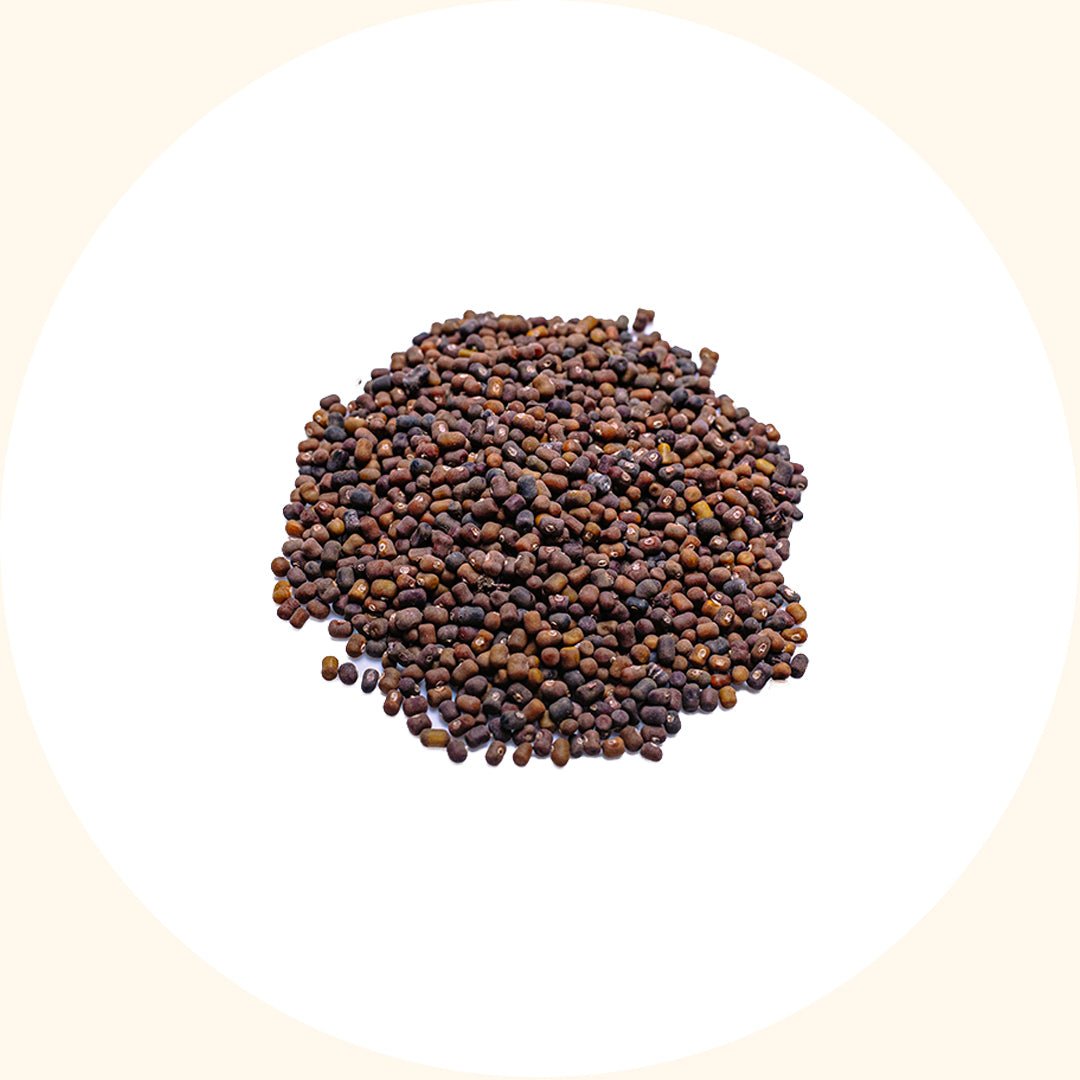
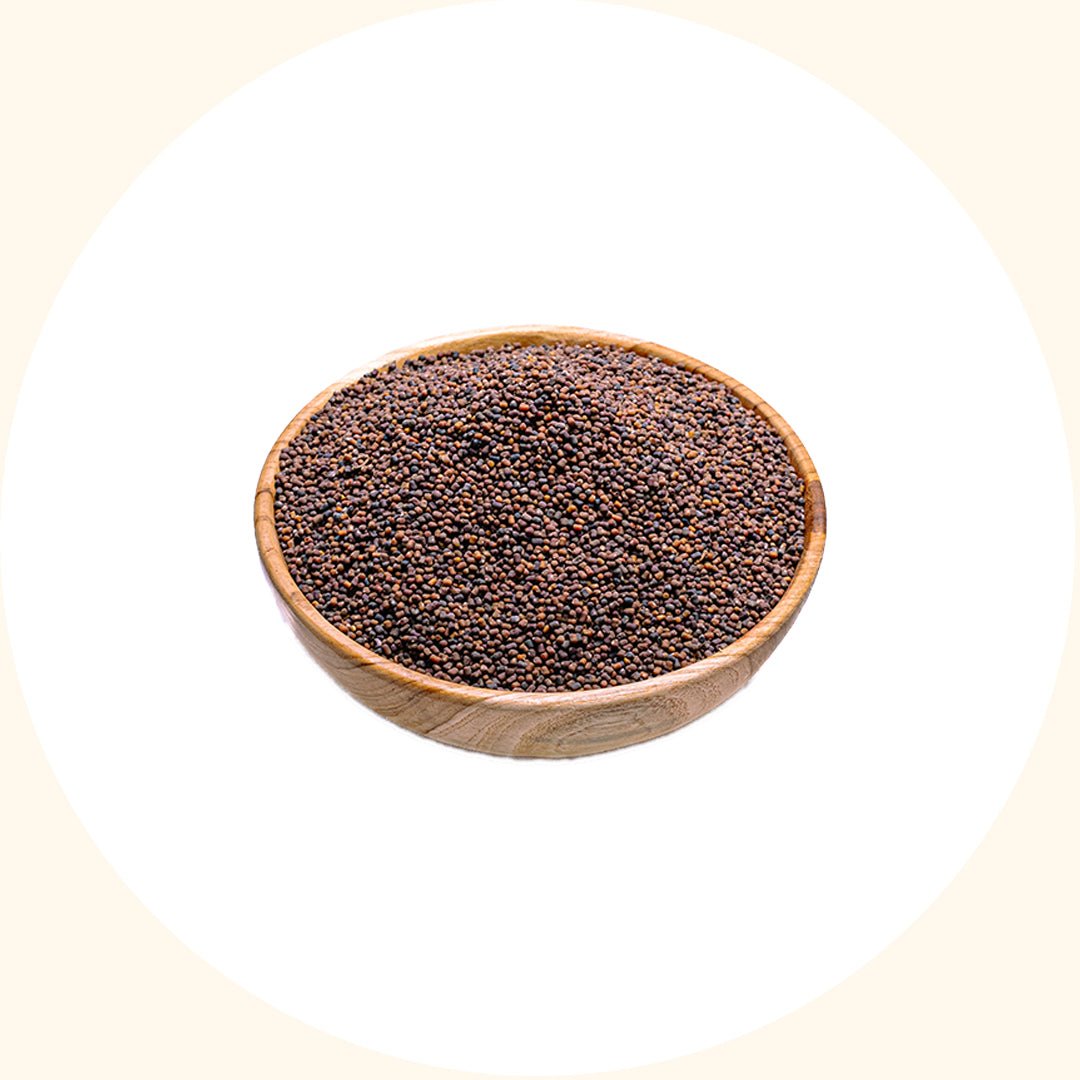
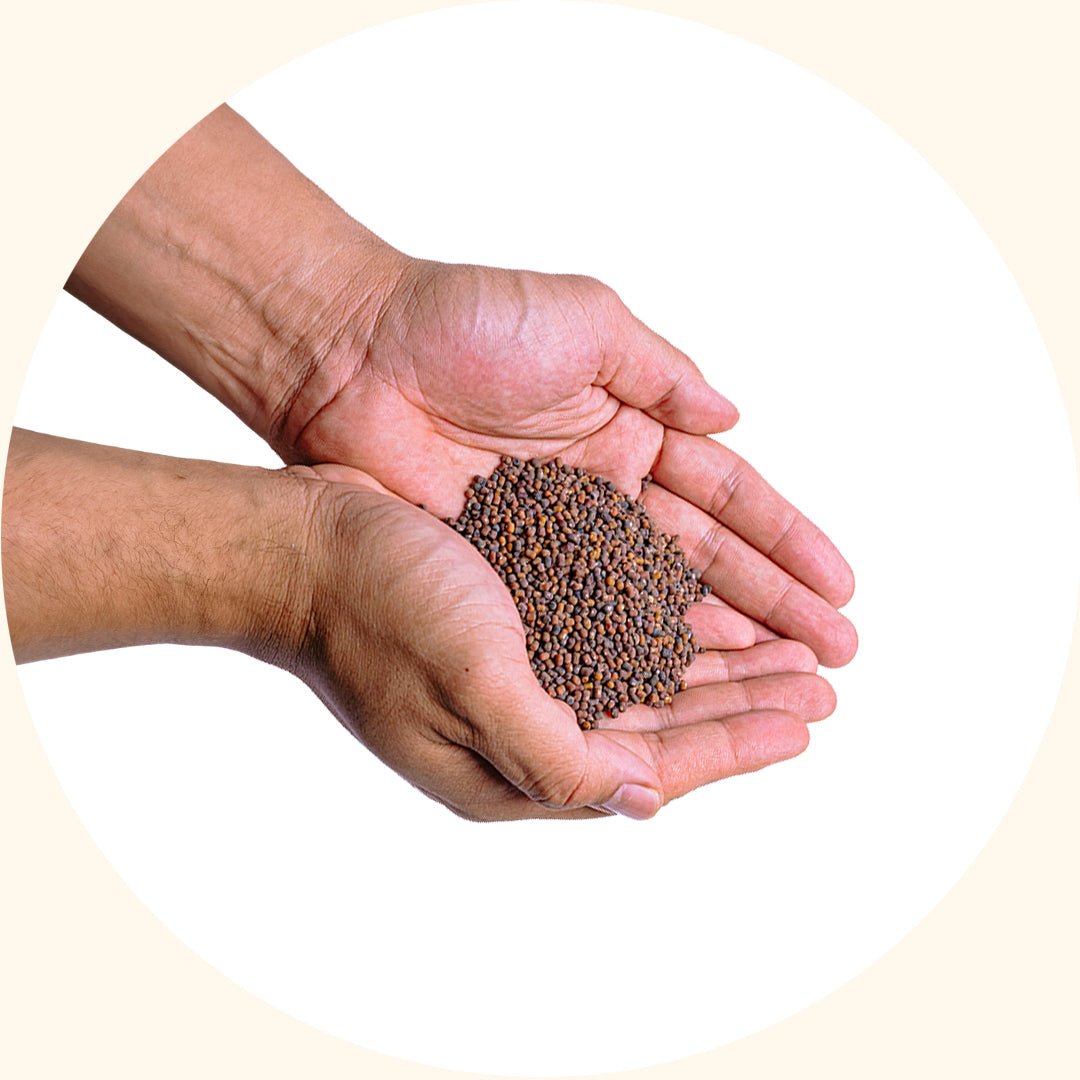
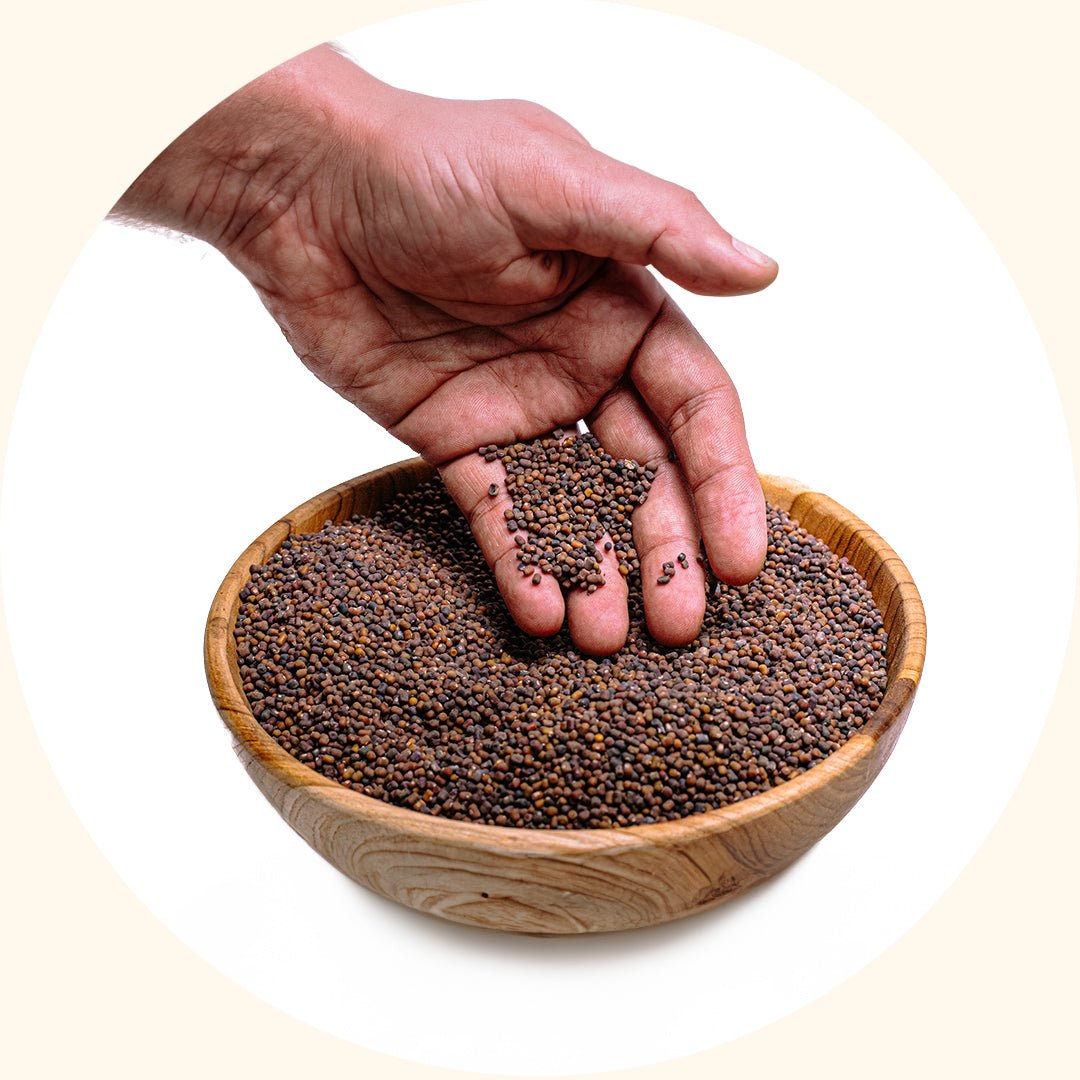
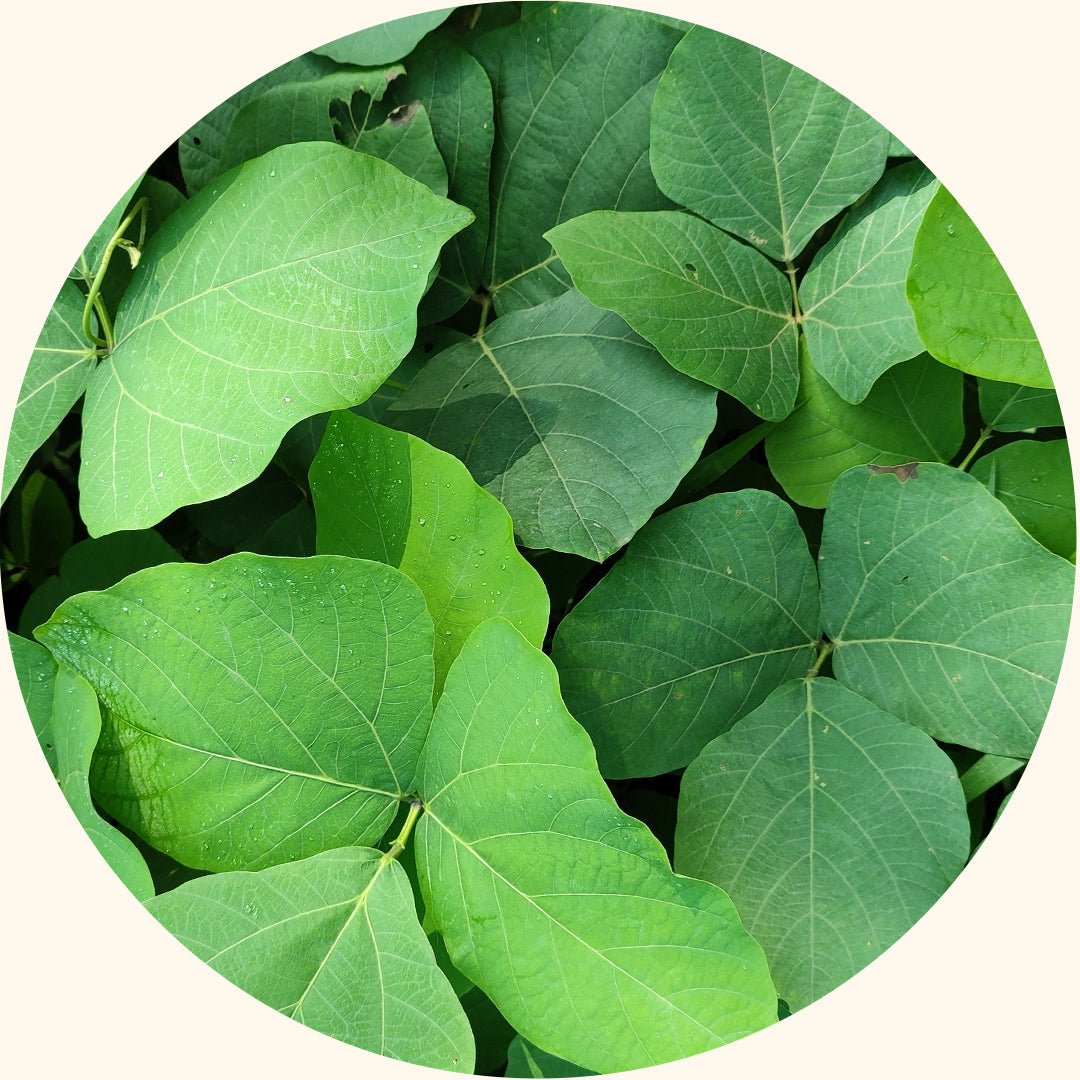
What is Pueraria javanica (PJ) and who is it for?
Pueraria javanica is a vigorous creeping and twining perennial legume widely used as a cover crop in rubber, coconut, and oil palm plantations. It fixes approximately 250 kg N/ha/yr with 85 to 93 percent of nitrogen derived from atmosphere (Vrignon-Brenas review), produces roughly 8 Mg/ha/yr aboveground biomass in immature rubber, and has been shown to reduce runoff by up to 88 percent on slopes (Perron 2024). PJ performs well on acidic tropical soils down to pH 3.5 but is not a drought specialist and is best suited for regions with reliable rainfall.
Quick facts: Pueraria javanica (PJ)
| Scientific name | Pueraria phaseoloides (syn. P. javanica) |
|---|---|
| Growth habit | Vigorous creeping/twining perennial legume |
| Seeding rate | 4-6 kg/ha (monoculture), 2-3 kg/ha (mixture) |
| Soil pH range | 3.5 - 6.0 |
| Shade tolerance | Moderate |
| Drought tolerance | Low to moderate (not a drought specialist) |
| N fixation | ~250 kg N/ha/yr, 85-93% Ndfa |
| Biomass production | ~8 Mg/ha/yr aboveground in immature rubber |
| Establishment speed | Moderate to slow (seed dormancy requires scarification) |
Where does Pueraria javanica (PJ) work best?
Best for
- Immature rubber plantations
- Coconut systems and coconut basin management
- Erosion-prone slopes (88% runoff reduction documented)
- Acidic tropical soils (tolerates pH as low as 3.5)
- Legume cover crop mixtures
Not ideal for
- Prolonged dry seasons or drought-prone regions
- Mature shaded canopy without companion species (CC or CP)
- Areas where rapid initial cover is critical (CM is faster)
What Pueraria javanica (PJ) will not do
PJ does not increase latex yield in rubber. There is no published evidence supporting a direct latex yield improvement from PJ cover. PJ does not prevent Tapping Panel Dryness. For coconut yield claims, the comparator matters: yield improvements are relative to bare-soil or unmanaged basins, not to other cover crop systems. Seed dormancy requires scarification for acceptable germination rates (untreated seed germinates at only 7-16% versus 73-91% with H2SO4 scarification).
How to establish and use Pueraria javanica (PJ)
Sow at 4 to 6 kg/ha for monoculture or 2 to 3 kg/ha when used in a legume mixture. Seed scarification is essential: untreated seed germinates at only 7 to 16 percent, compared to 73 to 91 percent with acid scarification. In coconut systems, follow the Thomas and Shantaram 1993 protocol for basin establishment. For erosion control on slopes, PJ can be combined with CM for fast initial cover followed by PJ persistence.
What does the research say about Pueraria javanica (PJ)?
- Vrignon-Brenas review documents N fixation of ~250 kg N/ha/yr with 85-93% Ndfa.
- Perron 2024 demonstrates 88% runoff reduction on slopes with PJ cover.
- Thomas and Shantaram 1993 provides the coconut basin cover crop protocol.
- Sri Lanka coconut yield research shows yield response relative to bare-soil comparator.
- Biomass data (~8 Mg/ha/yr) from immature rubber system studies.
Frequently asked questions about Pueraria javanica (PJ)
What is the recommended seeding rate for Pueraria javanica?
For monoculture establishment, use 4 to 6 kg/ha. When PJ is part of a legume mixture (commonly with CM and CP), reduce to 2 to 3 kg/ha. Scarified seed is strongly recommended for acceptable germination rates.
Does Pueraria javanica increase rubber latex yield?
There is no published evidence that PJ directly increases rubber latex yield. The documented benefits in rubber systems are soil nitrogen enrichment, weed suppression, and erosion reduction. PJ also does not prevent Tapping Panel Dryness.
Why is seed scarification important for PJ?
Untreated PJ seed has a germination rate of only 7 to 16 percent due to hard-seed dormancy. Acid scarification (H2SO4) increases germination to 73 to 91 percent. Without scarification, establishment will be poor and uneven.
How does Pueraria javanica perform in coconut systems?
PJ is used as a basin cover crop in coconut systems following the Thomas and Shantaram 1993 protocol. Yield improvements have been documented in Sri Lanka, but these are relative to bare-soil or unmanaged basins rather than to other cover crop systems.
What is PJ's role in erosion control?
Perron 2024 documented an 88 percent reduction in runoff on slopes with PJ cover. PJ's dense root system and surface biomass stabilize soil, making it one of the stronger erosion-control legumes for tropical slopes.
What to include in your inquiry
To help us provide accurate pricing and recommendations for Pueraria javanica (PJ), please include the following information when you contact us:
- Your plantation crop (rubber, coconut, oil palm)
- Soil type and approximate pH
- Annual rainfall and dry season length
- Terrain (flat, sloped)
- Planting area in hectares
- Whether you need scarified or untreated seed
- Your location (state/region in Malaysia)
Contact us via WhatsApp: +60 17-237 4058
Chemiseed Sdn. Bhd.
Compare with related products
Documents available
Technical Data Sheet (TDS), Certificate of Analysis (COA) with germination data, Safety Data Sheet (SDS) where applicable, and phytosanitary certification (ISPM 7, NPPO Malaysia) for export are available on request.
Limitations and site considerations
Field results depend on crop system, soil, rainfall, planting method, seed quality, storage, timing, and post-establishment management. Adjust recommendations to local conditions, and contact us before ordering if you are unsure about crop fit, application rate, or site suitability.