
What is Calopogonium mucunoides (CM) and who is it for?
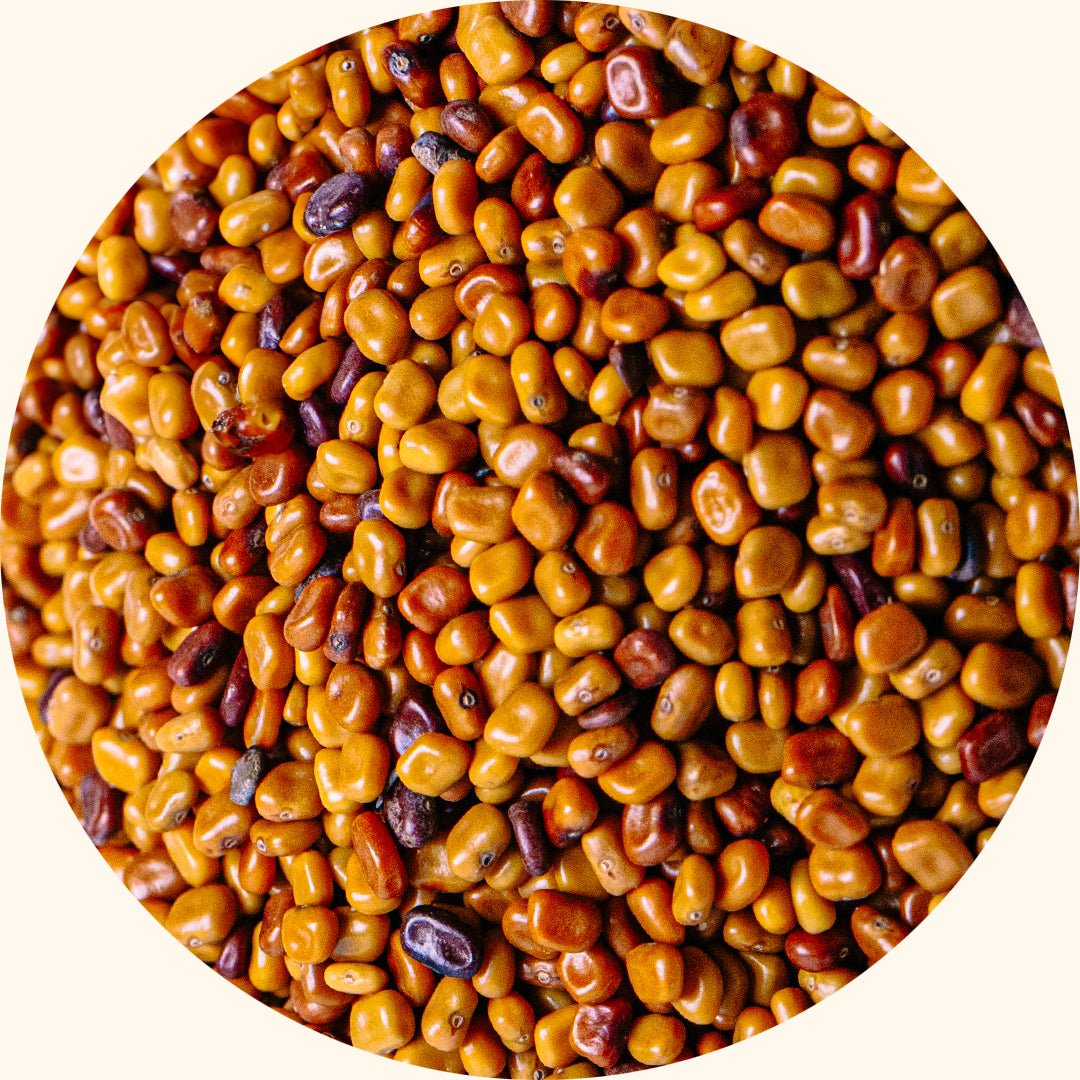
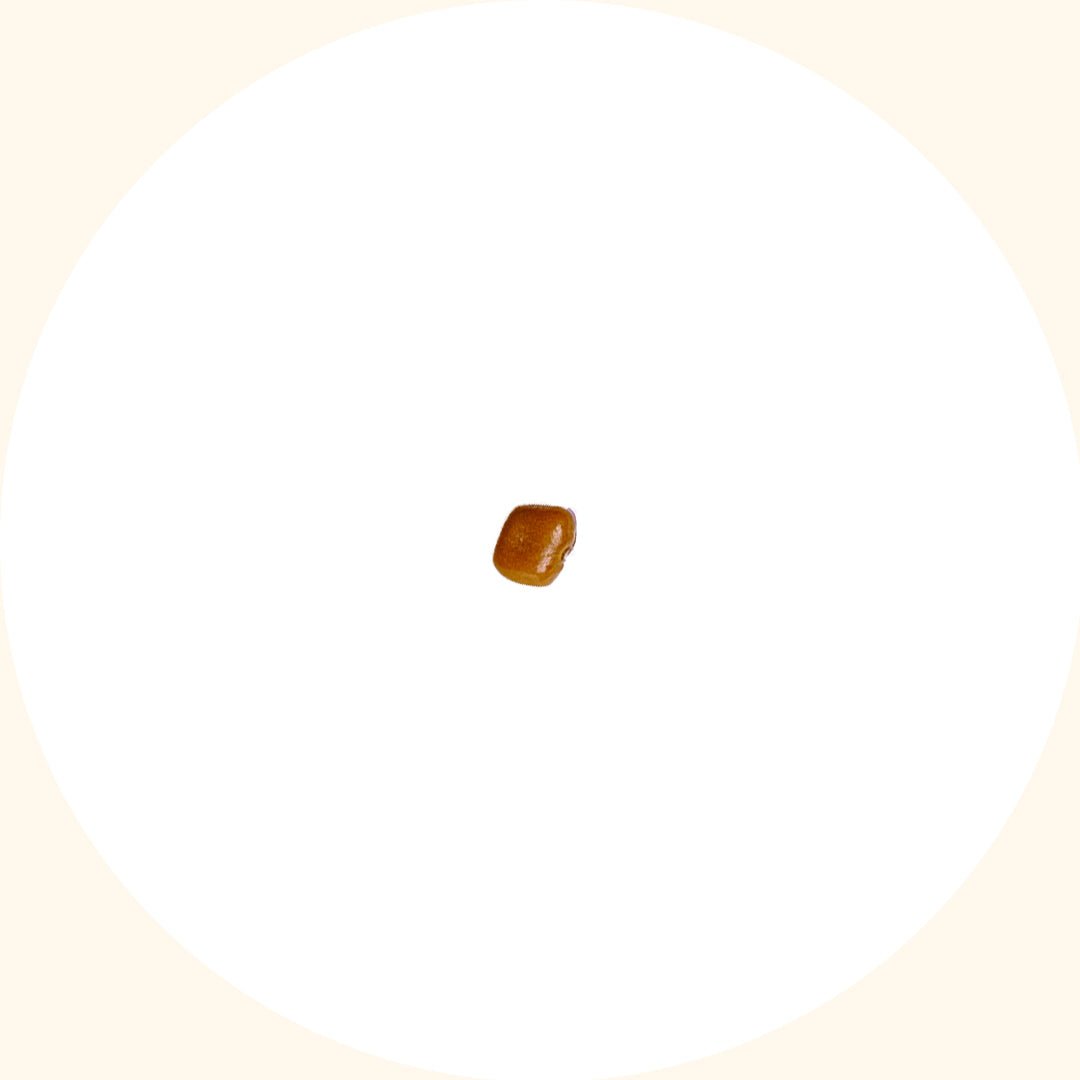
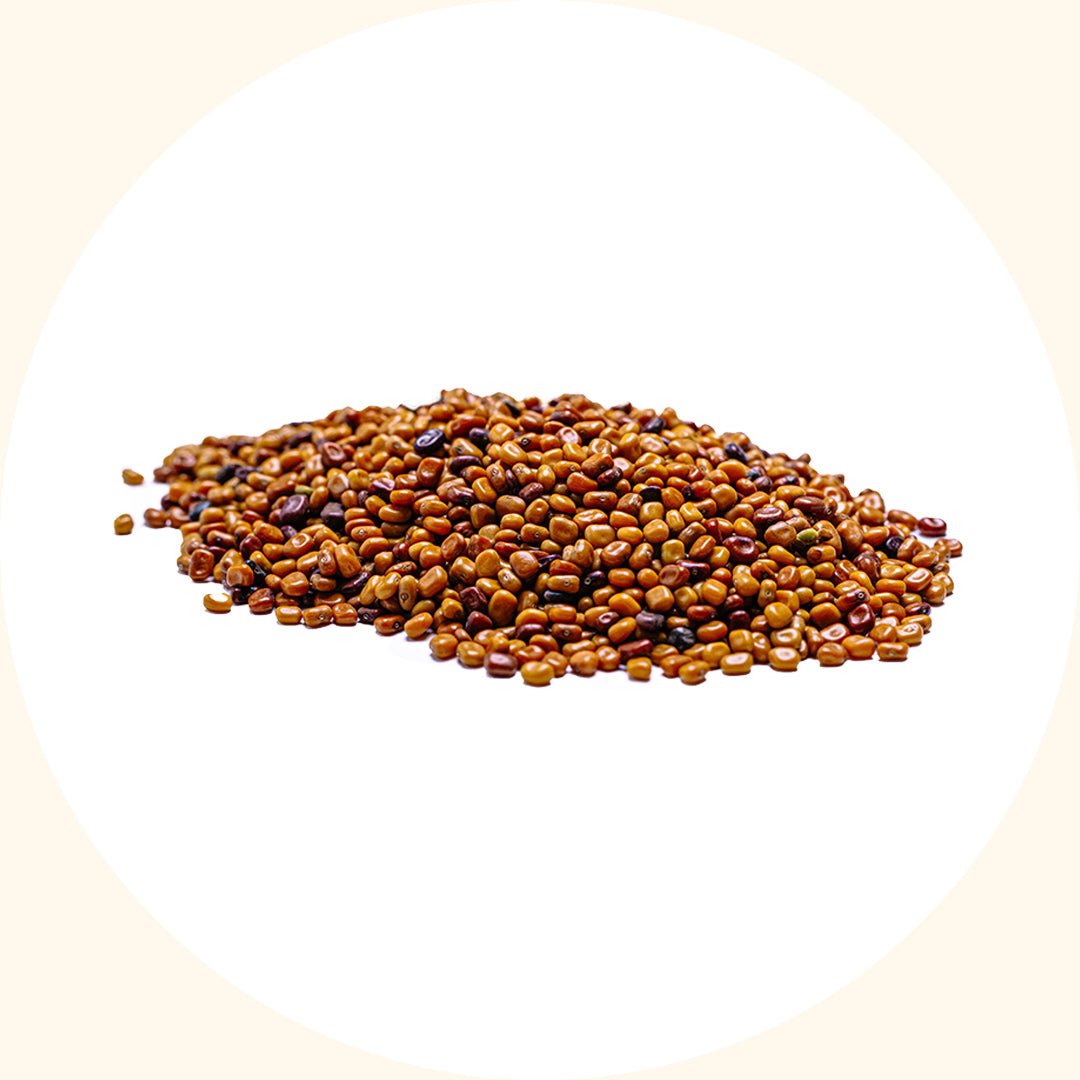
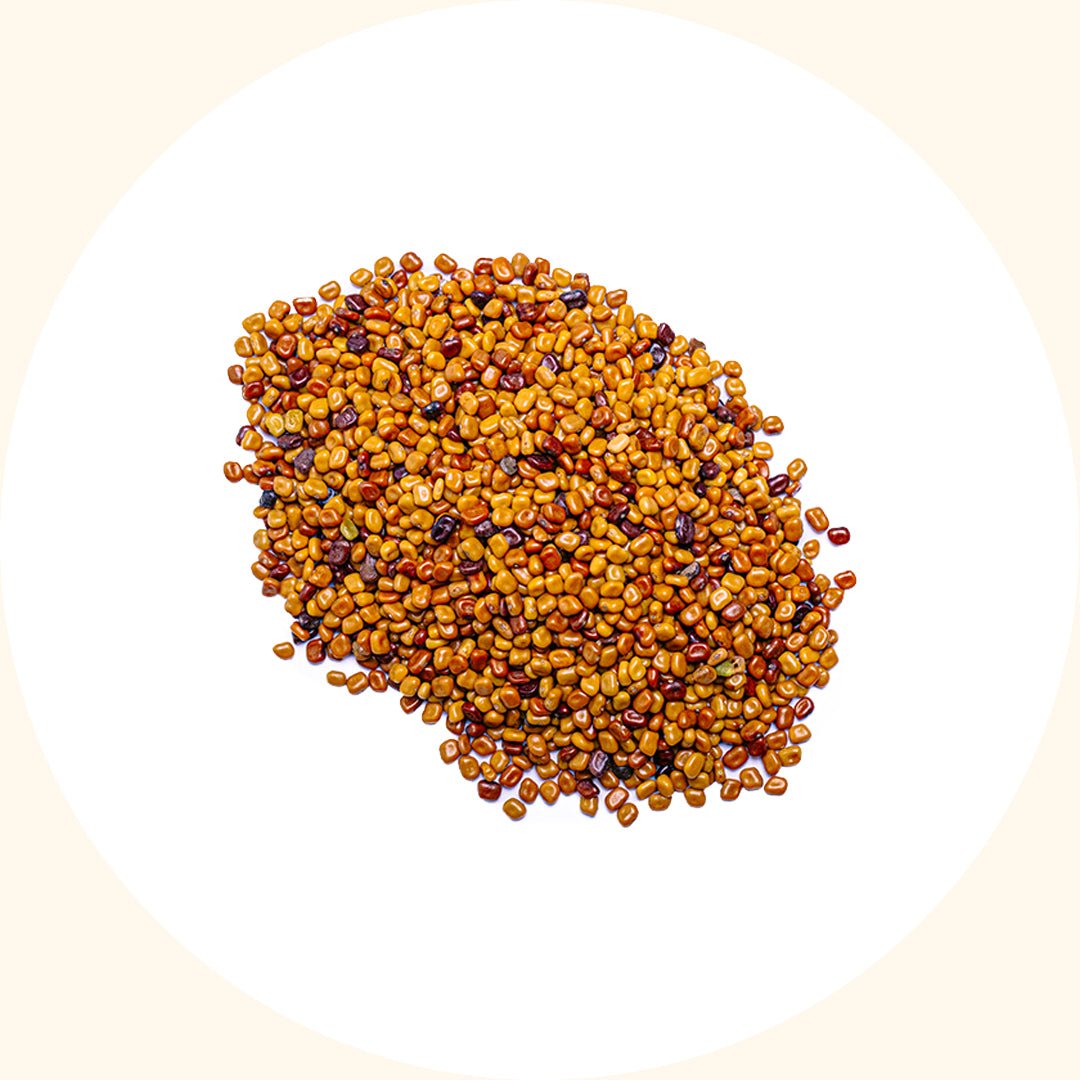
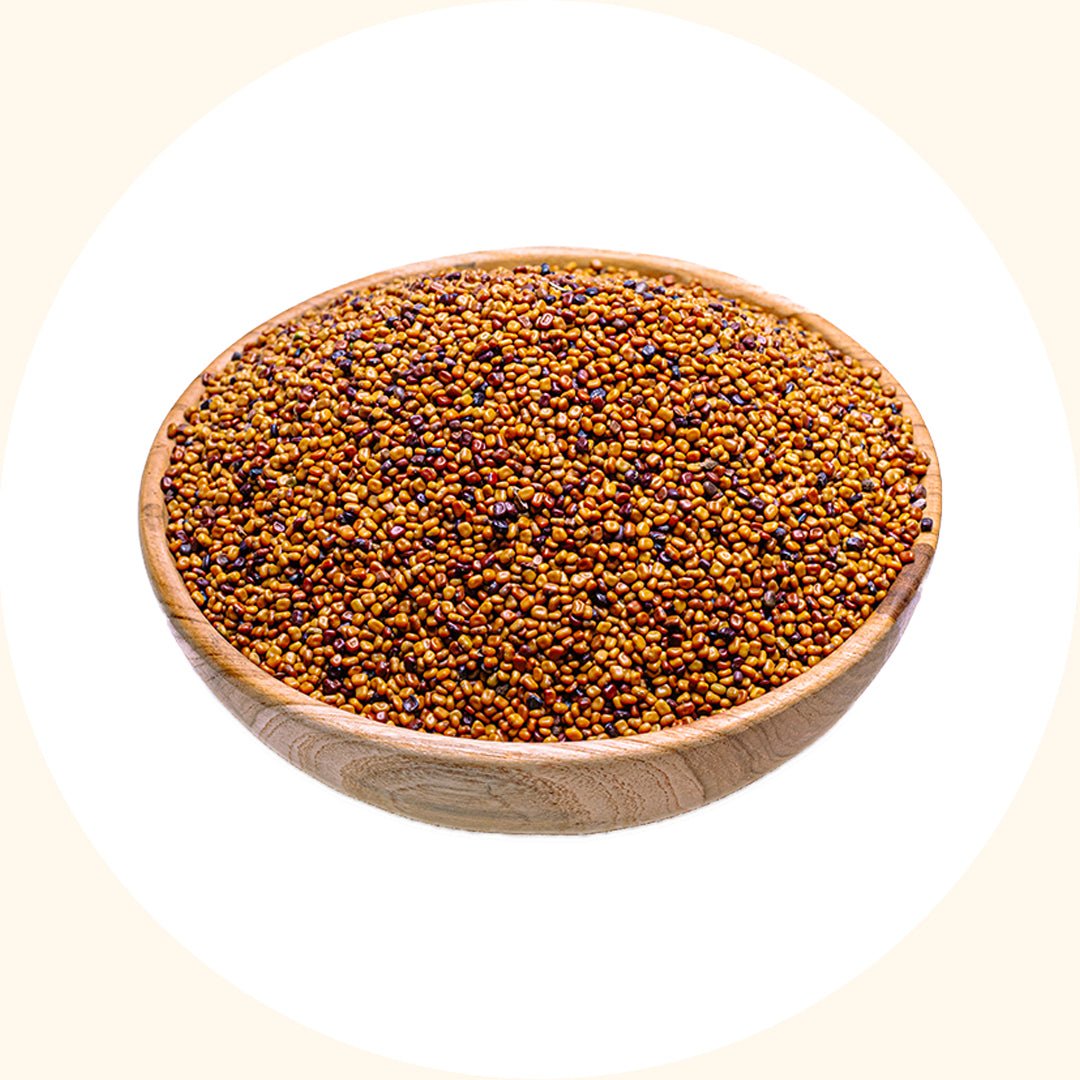
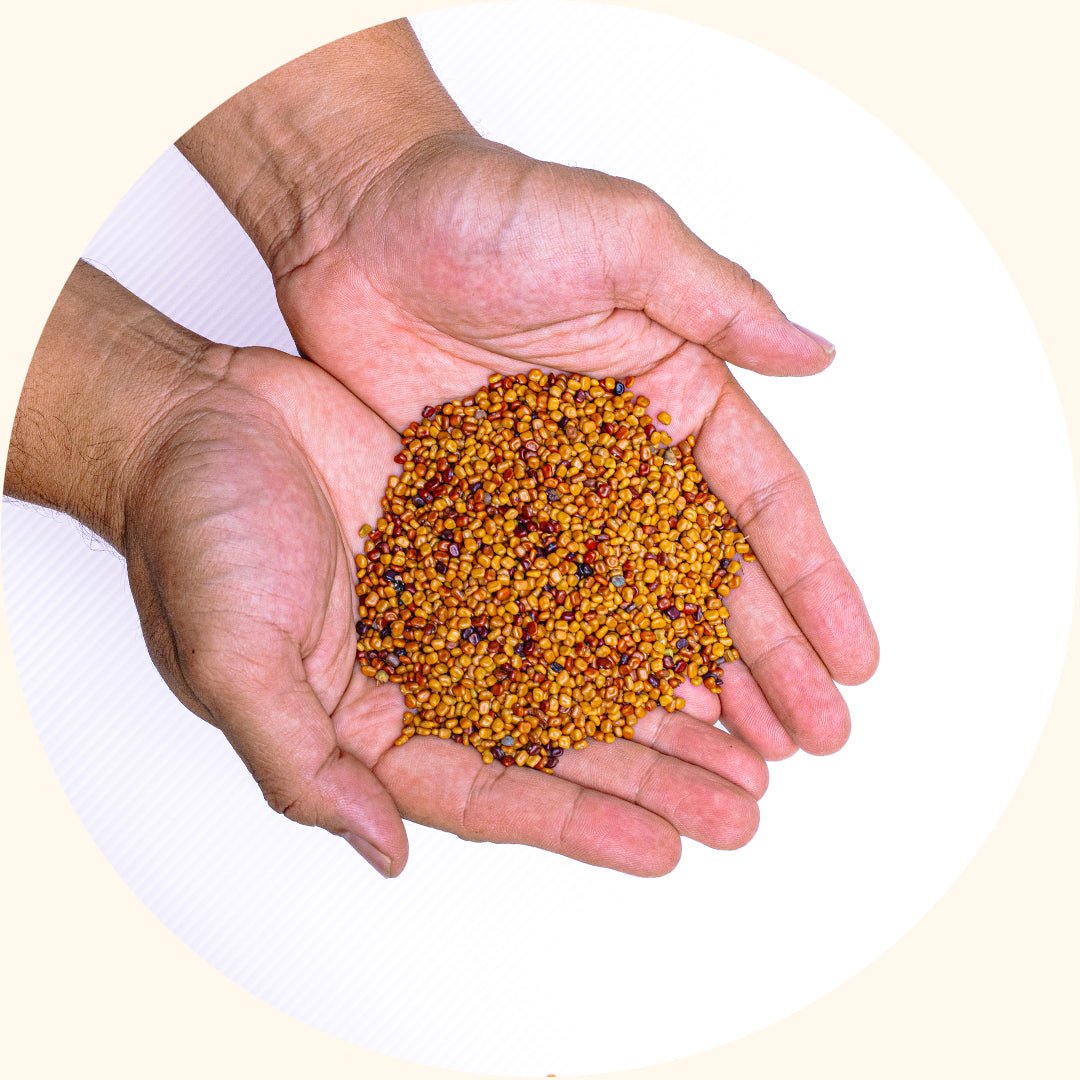
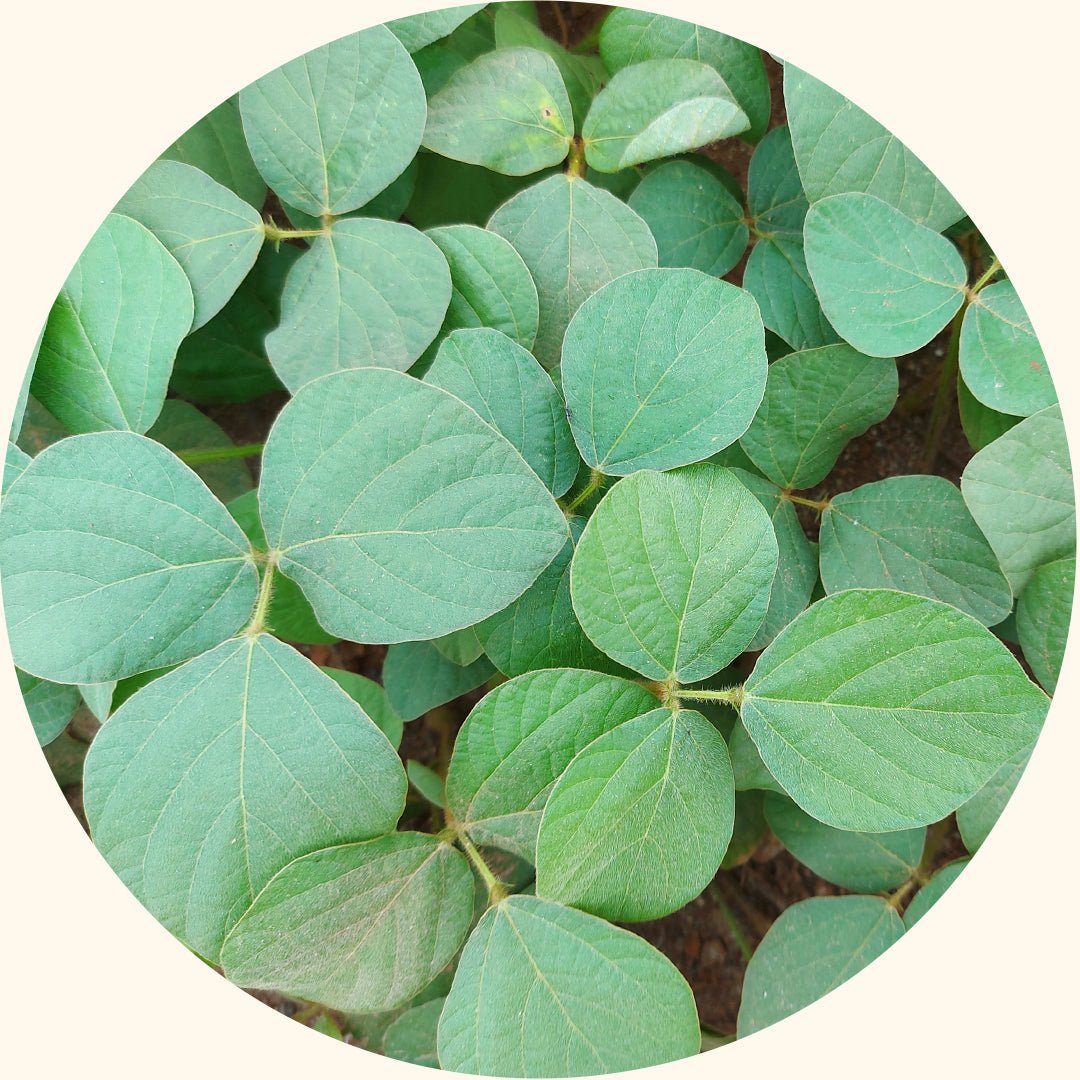
Calopogonium mucunoides is a fast-establishing creeping legume used as a pioneer cover crop in oil palm, rubber, and coconut plantations. It is one of the quickest legume cover crops to provide initial ground cover, making it valuable for rapid weed suppression and early soil protection. CM tolerates acidic clay soils well, with documented performance at pH 4.5 to 5.5 and high aluminum tolerance. However, CM is a short-lived perennial that may need re-establishment over time, and it does not perform well under prolonged dry conditions or deep shade.
Quick facts: Calopogonium mucunoides (CM)
| Scientific name | Calopogonium mucunoides |
|---|---|
| Growth habit | Creeping/twining annual to short-lived perennial legume |
| Seeding rate | 4-6 kg/ha (monoculture), 2-3 kg/ha (mixture) |
| Soil pH range | 4.5 - 5.5 (high Al tolerance) |
| Shade tolerance | Moderate |
| Drought tolerance | Low (prefers wet tropical conditions) |
| N fixation | Part of 35-450 kg N/ha/yr range in plantation systems |
| Establishment speed | Fast (one of the fastest early-cover legumes) |
| Aluminum tolerance | High |
Where does Calopogonium mucunoides (CM) work best?
Best for
- Fast initial ground cover in new plantings
- Acidic clay soils with high aluminum content
- Wet tropical sites with reliable rainfall
- Plantation legume mixtures (commonly with PJ and CP)
- Coconut basin cover (Thomas and Shantaram 1993 protocol)
Not ideal for
- Prolonged dry conditions
- Deep-shade permanent cover requirements
- Sites needing long-term persistent cover without re-establishment
- Standalone cover in mature closed-canopy systems
What Calopogonium mucunoides (CM) will not do
CM does not increase coconut copra yield. Research (Thomas and Shantaram 1993) shows soil and weed benefits but not a direct copra yield increase. CM does not improve rubber latex yield. As a short-lived perennial, CM may decline after 2 to 3 years and require re-establishment or replacement by longer-lived species in the mixture. It is typically most effective as a pioneer component in legume mixtures rather than as a standalone permanent cover.
How to establish and use Calopogonium mucunoides (CM)
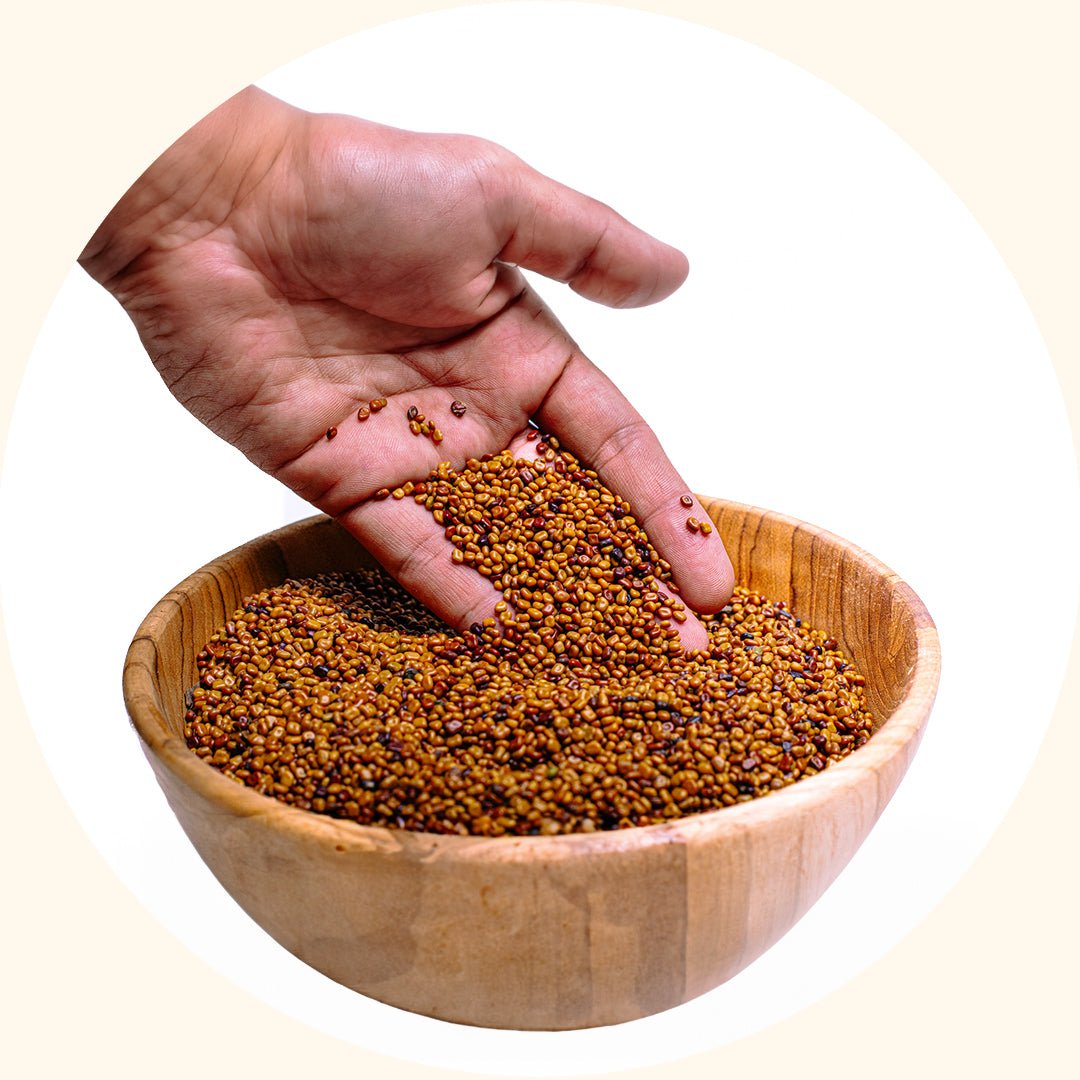
Sow at 4 to 6 kg/ha for monoculture or 2 to 3 kg/ha in mixtures with PJ and CP. CM establishes faster than most legume cover crops, making it ideal as the pioneer species in a mixture strategy where CM provides early cover while slower species like PJ establish. For coconut basins, follow the Thomas and Shantaram 1993 protocol. Pre-treatment of seed may improve germination uniformity (refer to FAO 2022 guidance).
What does the research say about Calopogonium mucunoides (CM)?
- Thomas and Shantaram 1993 documents CM use in coconut basin cover crop systems.
- FAO 2022 provides germination and seed pre-treatment guidance.
- CPCRI organic coconut guidance references CM in cover crop recommendations.
- N fixation data from cacao and plantation system research (35-450 kg N/ha/yr range for legume covers).
Frequently asked questions about Calopogonium mucunoides (CM)
How fast does Calopogonium mucunoides establish compared to other cover crops?
CM is one of the fastest-establishing legume cover crops available for tropical plantations. It provides initial ground cover more quickly than PJ or CP, which makes it valuable as a pioneer species in mixed plantings where rapid weed suppression is a priority.
What seed pre-treatment does CM need?
Seed pre-treatment can improve germination uniformity. Refer to FAO 2022 guidance for specific protocols. In general, mechanical or chemical scarification may help overcome any hard-seed dormancy, though CM seed dormancy is less severe than PJ.
Is Calopogonium mucunoides suitable for acidic soils?
Yes. CM tolerates acidic soils in the pH 4.5 to 5.5 range and has documented high aluminum tolerance. This makes it well-suited for the acidic clay soils common in many Malaysian plantation regions.
Can CM be used alone or should it be in a mixture?
CM is most effective as part of a legume mixture rather than as a standalone permanent cover. Because CM is a short-lived perennial that may decline after 2 to 3 years, pairing it with longer-lived species like PJ or CP provides both fast initial cover (from CM) and long-term persistence (from the companion species).
What to include in your inquiry
To help us provide accurate pricing and recommendations for Calopogonium mucunoides (CM), please include the following information when you contact us:
- Your plantation crop (oil palm, rubber, coconut)
- Soil type and approximate pH
- Annual rainfall pattern
- Planting area in hectares
- Whether you plan to use CM alone or in a mixture
- Your location (state/region in Malaysia)
Contact us via WhatsApp: +60 17-237 4058
Chemiseed Sdn. Bhd.
Compare with related products
Documents available
Technical Data Sheet (TDS), Certificate of Analysis (COA) with germination data, Safety Data Sheet (SDS) where applicable, and phytosanitary certification (ISPM 7, NPPO Malaysia) for export are available on request.
Limitations and site considerations
Field results depend on crop system, soil, rainfall, planting method, seed quality, storage, timing, and post-establishment management. Adjust recommendations to local conditions, and contact us before ordering if you are unsure about crop fit, application rate, or site suitability.