
Field Notes
All articles (page 2 / 5)
-
Calopogonium caeruleum: the shade-tolerant cover crop that protects Malaysian oil palm soil through canopy closure
Calopogonium caeruleum is one of the most shade-tolerant tropical legumes. As oil palm canopy closes and shade-intolerant species thin, CC maintains persistent ground cover that suppresses weeds and fixes nitrogen....

-
Pueraria javanica vs Mucuna bracteata: choosing the right cover crop for your Malaysian oil palm block
Mucuna bracteata and Pueraria javanica are two widely used leguminous cover crops in Malaysian oil palm. They have different establishment rates, nitrogen fixation capacity, drought tolerance, and shade response. This...

-
Establishing cover crops in immature oil palm: ground cover strategy for the first three years
The first three years after replanting are the most critical window for establishing the ground cover system that will protect the soil and fix nitrogen for the new stand's entire...

-
Mucuna bracteata vs herbicide: the cost and effectiveness comparison every oil palm planter should know
A Malaysian oil palm trial found weed dry weight 97.3 to 99.9% lower under cover crop treatments, including Mucuna bracteata, than in unweeded plots. This article sets out how MB...

-
Soil erosion on sloping oil palm land in Malaysia: where cover crops work, and where they need help
Bare soil on sloping oil palm land loses topsoil and nutrients to runoff, and ground cover greatly reduces that loss. As more hilly, marginal land in Malaysia is planted with...

-
Oil palm trunk recycling at replanting: why zero-burn is the right agronomic and environmental choice
At replanting, a 25-year-old oil palm stand generates enormous quantities of trunk and frond biomass. Zero-burn practices (chipping and field-returning trunks rather than burning them) preserve substantial organic matter and...

-
Maximising FFB quality during peak harvest season: nutrition, ripeness, and oil extraction rate
Malaysia's oil palm harvest peaks in August to October. The quality of fresh fruit bunches at this peak: measured by oil extraction rate and bunch weight: is shaped by nutrition...

-
Nitrogen volatilisation from urea in oil palm: why so much applied N disappears into the air
Research in Malaysian oil palm shows that a substantial share of nitrogen applied as urea can be lost to the atmosphere as ammonia before plants can use it. This article...

-
Empty fruit bunch as a soil amendment: closing the nutrient circle in Malaysian oil palm mills
Empty fruit bunches (EFB) from palm oil mills are rich in potassium and organic matter and also contain nitrogen, phosphorus and magnesium. Applied as mulch, compost, or biochar, EFB returns...

-
Biochar from oil palm biomass: how charcoal improves tropical acid soils and cuts emissions
Biochar made from oil palm waste can raise soil pH, increase CEC, reduce nutrient leaching and store carbon in the soil. This article examines the science behind biochar in tropical...

-
Liming acid soils in Malaysian oil palm: how dolomite corrects pH, calcium, and magnesium in one application
Many Malaysian oil palm soils are strongly acid, which fixes phosphorus, leaves calcium and magnesium short, and frees toxic aluminium and manganese. Dolomite corrects pH and supplies calcium and magnesium...

-
Silicon nutrition in oil palm: the overlooked element supporting resilience to Ganoderma, bagworms, and drought
Silicon is not classified as an essential nutrient for oil palm, but research suggests it matters. From lower Ganoderma basal stem rot severity in seedling trials to drought tolerance and...

-
Ganoderma basal stem rot in oil palm: how soil biology supports tree resilience
Ganoderma basal stem rot is the major disease of oil palm in Malaysia, and incidence tends to rise with each replanting cycle. This overview covers sanitation at replanting and the...

-
What happens under the frond stack: the nutrient recycling science Malaysian planters are missing
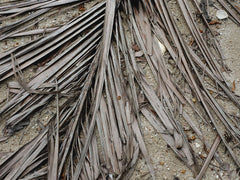
Oil palm frond stacking is universal but rarely managed as a nutrient cycling tool. This article uses decomposition timeline data to show how strategic placement transforms frond biomass into in-situ...
-
Why your soil organic matter disappears faster in Malaysia than anywhere else
In warm, humid Malaysian conditions, labile organic matter decomposes quickly. This article explains why humic substances resist breakdown better than raw compost, and what this means for building lasting soil...

-
Hidden deficiencies in the cacao block: zinc, copper, and the pods you are not getting
Zinc and copper shortfalls are easy to miss in cacao. This article covers why they occur on Malaysian soils, how pH and liming affect them, and how to diagnose and...

-
The nutrient nobody talks about: why sulfur is quietly limiting your rubber yield
Sulfur is essential for latex biosynthesis in rubber trees but almost never monitored in Malaysian fertiliser programmes. On leached sandy soils, annual S application is needed to maintain latex quality...

-
Without the right bacteria, your nitrogen-fixing cover crop is just a weed
Biological nitrogen fixation in cover crops requires specific Bradyrhizobium strains matched to the species and soil pH. Without inoculation on acid Malaysian soils, the symbiosis often fails and the N...

-
Before the first seed hits the soil: how priming transforms cover crop establishment
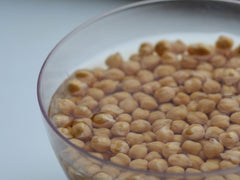
Poor establishment in the first weeks is a common reason cover crop programmes fail in Malaysian estates. Seed priming techniques can speed up germination and improve stand uniformity from day...
-
Living mulch vs bare soil: the soil moisture data Malaysian planters need to see
El Nino dry spells test the water reserves of Malaysian plantations. Cover crop mulch is a low-cost way to reduce soil evaporation and maintain root zone moisture between rain events.

-
The forgotten legume: why Centrosema pubescens deserves a second look in your young planting
Most Malaysian planters default to Mucuna bracteata or Pueraria javanica, but Centrosema pubescens holds on better as the canopy closes. This article sets out the agronomic case for it.

-
The invasive weed that feeds your soil: turning water hyacinth into high-value green manure
Water hyacinth chokes many Malaysian waterways. This article sets out what field trials report when composted water hyacinth is applied to soil, including changes in soil pH, organic carbon, phosphorus...

-
After the drought: how amino acid foliar sprays help oil palm and rubber recover faster
The weeks after drought or waterlogging stress are critical for yield recovery. Amino acid biostimulants can help stomata reopen and restore nutrient mobility during this window.

-
The micronutrient behind the unopened spear: managing boron in Malaysian oil palm
Boron deficiency in oil palm causes hook leaf and unopened spear syndrome. High Malaysian rainfall leaches soil boron, especially from sandy soils low in organic matter. This article explains diagnosis...


