
Field Notes
Start here
- Cover crops for tropical plantations: the complete guide
- PJ vs CM vs CP vs MB vs CC: cover crop comparison guide
- Best cover crop species for oil palm plantations in Southeast Asia
- Humic Acid for Soil: What It Is and How It Works
- Soil Health for Tropical Plantations: A Practical Guide
- Cover Crops and Soil Glossary
All articles (page 1 / 5)
-
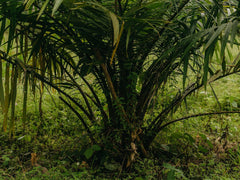
Boron and cover crops: a micronutrient interaction in oil palm
Boron is one of the micronutrients oil palm is most sensitive to, and the soil organic matter that a legume cover crop builds is part of the system...
-
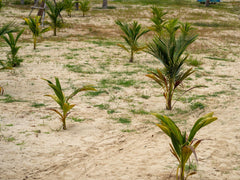
The replant-year cover-crop establishment calendar (Sabah and Sarawak)
The replant year is the single best chance to get a legume cover crop established, because the canopy is open, light reaches the ground, and the young...
-
Durian and Phytophthora: an integrated soil and drainage approach
Phytophthora is a water-driven disease, and that single fact shapes everything about managing it in durian (Durio zibethinus). The pathogen thrives in...

-
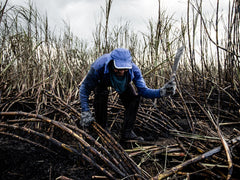
Sugarcane weevil and Cane-Phorus: an IPM approach
Adding a pheromone lure to cane-baited traps greatly increased catches of the West Indian sugarcane weevil in a published sugarcane trial. How weevil mass trapping works and how Cane-Phorus fits...
-
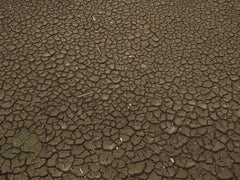
Living mulch or irrigation? A dry-season moisture decision
When the dry season squeezes an estate, the choice between a living mulch cover crop and installing irrigation is not a contest between two equal tools. It is a decision...
-
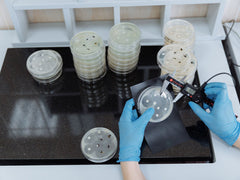
Soil microbiome testing for estates: what is worth measuring
Soil microbiome testing can tell an estate something useful, but only if you know what question you are asking and treat the result as a relative indicator rather than a...
-
Biofertilisers in oil palm: what the Malaysian PGPR isolates show
Biofertilisers, products based on plant growth-promoting rhizobacteria (PGPR) and other beneficial soil microbes, are a genuine tool, and Malaysian...

-
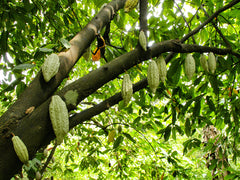
Cacao black pod: pod-husk compost and shade management
Black pod rot, caused by Phytophthora species, is the most damaging disease of cacao (Theobroma cacao) in the humid tropics, and it is driven by...
-
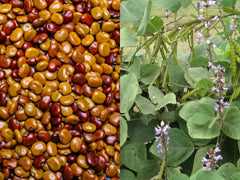
Calopogonium caeruleum vs Calopogonium mucunoides: when to choose which
The short answer is that they solve different problems at different stages. Calopogonium mucunoides is the fast, cheap pioneer that covers bare ground...
-
An EUDR documentation toolkit for Malaysian exporters
The European Union Deforestation Regulation is, at its core, a documentation and traceability requirement: exporters of covered commodities need to be...
-
The cost stack: cover crop vs herbicide vs manual weeding
Comparing weed control by cover crop, herbicide, or manual weeding is not a single price comparison; it is a cost stack that runs over years and...
-
SoilBoost EA and cover crops: the pairing logic for Malaysian estates
SoilBoost EA, a humic acid soil amendment, and a legume cover crop do different jobs, and that is exactly why they pair well: the cover crop fixes nitrogen and adds...
-
Mycorrhizae at the nursery stage: phosphorus and seedling vigour
The strongest, most practical place to use mycorrhizae in oil palm is the nursery, where colonising young roots early can improve a seedling's ability...
-
Stylosanthes guianensis for manganese-toxic acid soils
Stylosanthes guianensis is a tropical forage legume that tolerates the acid, low-fertility soils where many other cover crops struggle, which makes it a candidate for blocks under aluminium and manganese...
-
Legume green manure before rice: the rotation nitrogen math
A legume grown and incorporated before rice raised the following rice yield by 15.7 percent on average (median 8.8 percent) in a global meta-analysis, with the largest gains where nitrogen...

-
Vetiver hedgerows vs cover crops on steep oil palm slopes
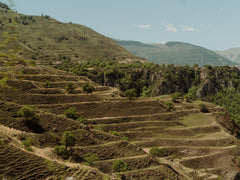
On gentle to moderate slopes, leguminous cover crops are usually enough: they blanket the surface, fix nitrogen, and cut erosion across the whole...
-
Oryctes rhinoceros: lure-based management for oil palm
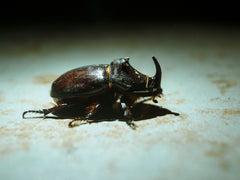
A pheromone lure does not eradicate Oryctes rhinoceros, but used with breeding-site sanitation it is one of the cheaper ways to reduce beetle pressure in young palms. The aggregation pheromone...
-
Designing a cover-crop seed mix for oil palm
A single legume cannot do everything an oil palm block needs across its life. One species establishes fast but fades under shade; another persists for...

-
Humic acid in tropical acid soils: the meta-analysis in plain English
A 2024 meta-analysis found that humic acid raised crop yield by about 12% on average, with the strongest response at soil pH 6 to 8. What that means for tropical...

-
Potassium deficiency in oil palm: the smallholder yield gap
Potassium is the nutrient oil palm (Elaeis guineensis) removes in the largest quantity, and it is also one that is often left short in smallholder fields. How to recognise a...

-
Palm oil mill effluent (POME) as a soil amendment: turning waste into soil health capital
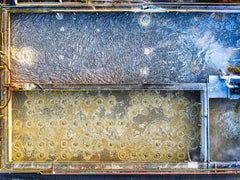
Palm oil mills in Malaysia generate large volumes of liquid effluent (POME) every year. Properly treated, POME is an organic biofertiliser containing nitrogen, phosphorus, potassium, and microorganisms. This article covers...
-
Rubber tree interrow cover crops in Malaysia: managing Hevea soil health with leguminous ground cover
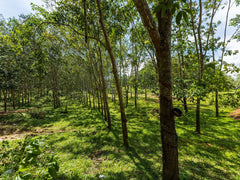
Smallholders grow most of Malaysia's Hevea brasiliensis, much of it on low-fertility acid soils with no systematic interrow management. Leguminous cover crops offer rubber growers the same soil health and...
-
Cover crop management during Malaysian dry spells: how to protect your interrow through El Nino conditions
El Nino-driven dry spells increasingly affect Malaysian oil palm regions. Well-managed cover crops provide a biological moisture conservation system that reduces soil evaporation, maintains root zone humidity, and supports palm...
-
Biological nitrogen fixation in Malaysian oil palm: how legume cover crops reduce synthetic fertiliser dependence
Leguminous cover crops fix atmospheric nitrogen in Malaysian oil palm: nitrogen that costs nothing beyond seed and establishment. This article explains the science of biological nitrogen fixation, how to maximise...


