Field Notes
All articles (page 3 / 5)
-
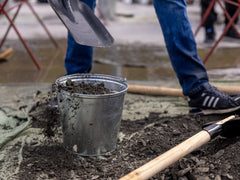
The silent yield killer: soil compaction from harvesting machinery in Malaysian estates
Harvesting machinery compacts oil palm soils, reducing root growth and nutrient uptake. This article explains how compaction affects yield and outlines a cover-crop-led biological recovery programme.

-
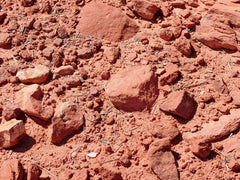
Where does your phosphorus fertiliser actually go? The fixation problem in Malaysian soils
Phosphorus applied to Malaysian acid soils binds rapidly to iron and aluminium oxides, making much of it unavailable to crops. This guide explains why, and what liming, placement and organic...
-
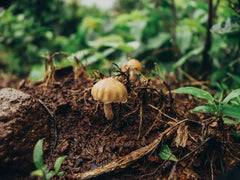
The underground network your oil palm cannot live without
Oil palm roots have no root hairs and are naturally dependent on arbuscular mycorrhizal fungi for phosphorus access. High-input management suppresses AMF populations, undermining this free biological service.
-
Can Malaysian oil palm estates actually bank carbon? What the science says
Malaysian oil palm soils carry below-potential carbon stocks. This article explains how the 4 per mille framework applies to plantation management and what inputs actually build stable carbon.

-
Why your oil palm fronds are turning orange (and it is not what you think)
Orange frond discolouration in oil palm is usually caused by magnesium deficiency, aggravated by heavy potassium programmes and sandy soils. Learn the diagnosis and corrective fertiliser programmes for Malaysian estates.

-
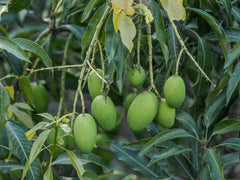
Mango drop, cracking, and short shelf life usually come down to two nutrients: calcium and boron.
Mango drop, fruit cracking, and poor shelf life are commonly caused by calcium and boron deficiency at critical growth stages. This article covers what each nutrient does, the combined application...
-
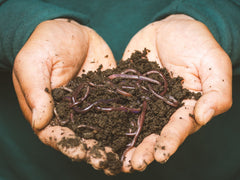
Earthworms are among the most productive workers in a tropical plantation soil. Here is what the research says about supporting them.
Earthworms and vermicompost can improve soil biology, structure, and yield in tropical cropping systems. This article summarises what the research evidence shows, how soil enzyme activity connects to nutrient cycling,...
-
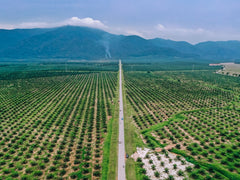
How many palms per hectare is the right number? What the research actually shows.
Planting density affects oil palm yield for the entire stand life. Density comparisons show the trade-offs between canopy closure, individual palm yield, and per-hectare FFB output. Here is what the...
-
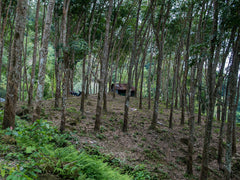
Conventional urea loses a large proportion of its nitrogen before rubber trees can use it. Here is what controlled-release urea can change.
Nitrogen loss from conventional urea in rubber plantations is high due to volatilisation and leaching. Here is how controlled-release urea formulations aim to improve nitrogen use efficiency, what to check...
-
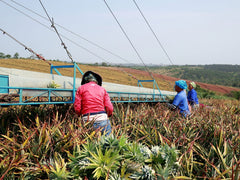
Pineapple yields vary widely. Site-specific nutrition is how you close the gap.
Pineapple yields vary widely between farms on similar soils, and nutrition management is one of the main levers growers control. This article covers the NPK requirements, the case for slow-release...
-
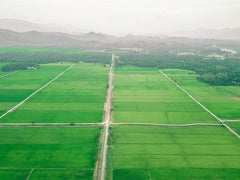
Zinc-deficient paddy soils: the crop suffers, and so do the people who eat it.
Zinc deficiency is one of the most common micronutrient problems in flooded paddy soils. This article covers how it shows up in Malaysian paddy, the human nutrition connection, what field...
-
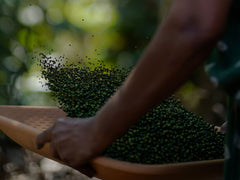
Sarawak grows almost all of Malaysia's pepper. Most farms are not reaching their yield potential.
Most black pepper farms in Sarawak are not reaching their yield potential. This article covers the nutrient demand profile of Piper nigrum, the critical growth stages, and the soil problem...
-
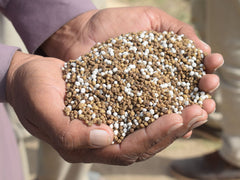
Potassium chloride is the most common palm fertiliser. Here is when the chloride matters.
KCl is cost-effective for oil palm, but chloride accumulation can affect yield in poorly drained soils. This article explains potassium demand in oil palm, the role of chloride, and when...
-
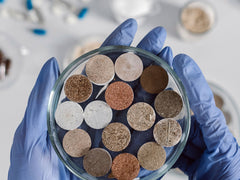
Your fertiliser is not working as hard as it could. Soil pH is usually the reason.
Low soil pH is one of the most common reasons fertilisers underperform in Malaysian agriculture. This guide covers what happens below pH 5.5, how the lime requirement is worked out,...
-
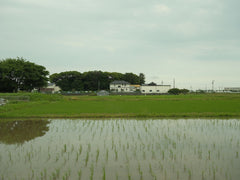
The brown spots on your rice leaves may not be a disease. They may be an iron problem.
Iron toxicity causes bronzing and yield loss in flooded paddy fields. This article explains the soil chemistry behind the problem, the nutrients that reduce the risk, and what management steps...
-
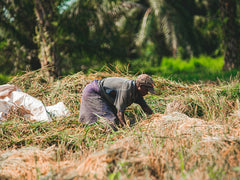
The RSPO changed its smallholder standard. Here is what actually changed.
RSPO's updated Independent Smallholder Standard was adopted in November 2024 and has applied to certification since November 2025. Here is a plain-language breakdown of what changed, what to ask about...
-
Indonesia's B40 biodiesel mandate and palm oil supply: what it means for Malaysian growers
Indonesia's B40 biodiesel mandate has tightened global palm oil supply. This article looks at what that means for export supply, the age problem across Southeast Asian estates, and how to...

-
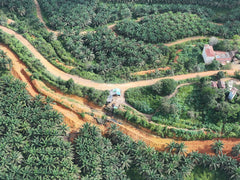
GHG reporting is now part of MSPO. Here is what it means for your fertiliser programme.
GHG reporting is now part of the MSPO standards. This article explains what the requirement covers, where palm oil emissions come from, where your fertiliser programme fits, and what records...
-
TR4 and soil recovery: a management protocol for affected banana farms
TR4 has no cure, and no soil product treats it. This article sets out a soil management approach for banana farms affected by TR4, used alongside quarantine, sanitation and resistant...

-
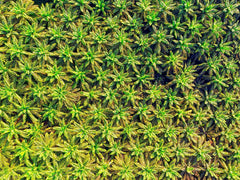
RM14,000 per hectare for replanting. Here is who qualifies and how to apply.
RM14,000 per hectare is available for oil palm replanting under TSPKS 2.0. This guide covers who qualifies, how to apply, and the critical nutrition window that determines first-year establishment.
-
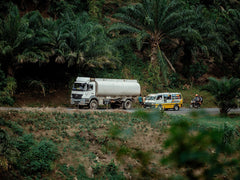
EUDR is delayed. Your traceability obligations are not.
The EUDR deadline moved. The obligations did not. Here is what palm oil and rubber growers in Malaysia need to have in place for traceability, farm records and Due Diligence...
-
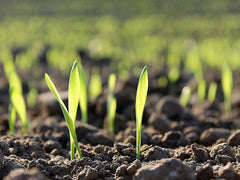
Why your cover crop failed: 7 common mistakes and how to fix them
Cover crop establishment does not always go to plan. This troubleshooting guide identifies the 7 most common reasons cover crops fail on Malaysian estates and provides practical solutions for each.
-
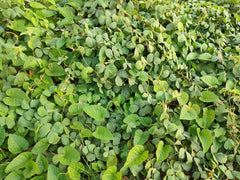
Multi-species cover crop mixes: why blending PJ, CM, and CC outperforms single-species planting
Single-species cover crop plantings leave gaps in performance. A well-designed multi-species blend of PJ, CM, and CC delivers faster establishment, denser coverage, and better long-term persistence than any single species...
-
Soil health assessment: a practical checklist and resource guide for estate managers
A hands-on guide for Malaysian estate managers to assess soil health, identify problems early, and access the right resources. Includes a field-ready checklist, soil testing recommendations, and links to Chemiseed...