


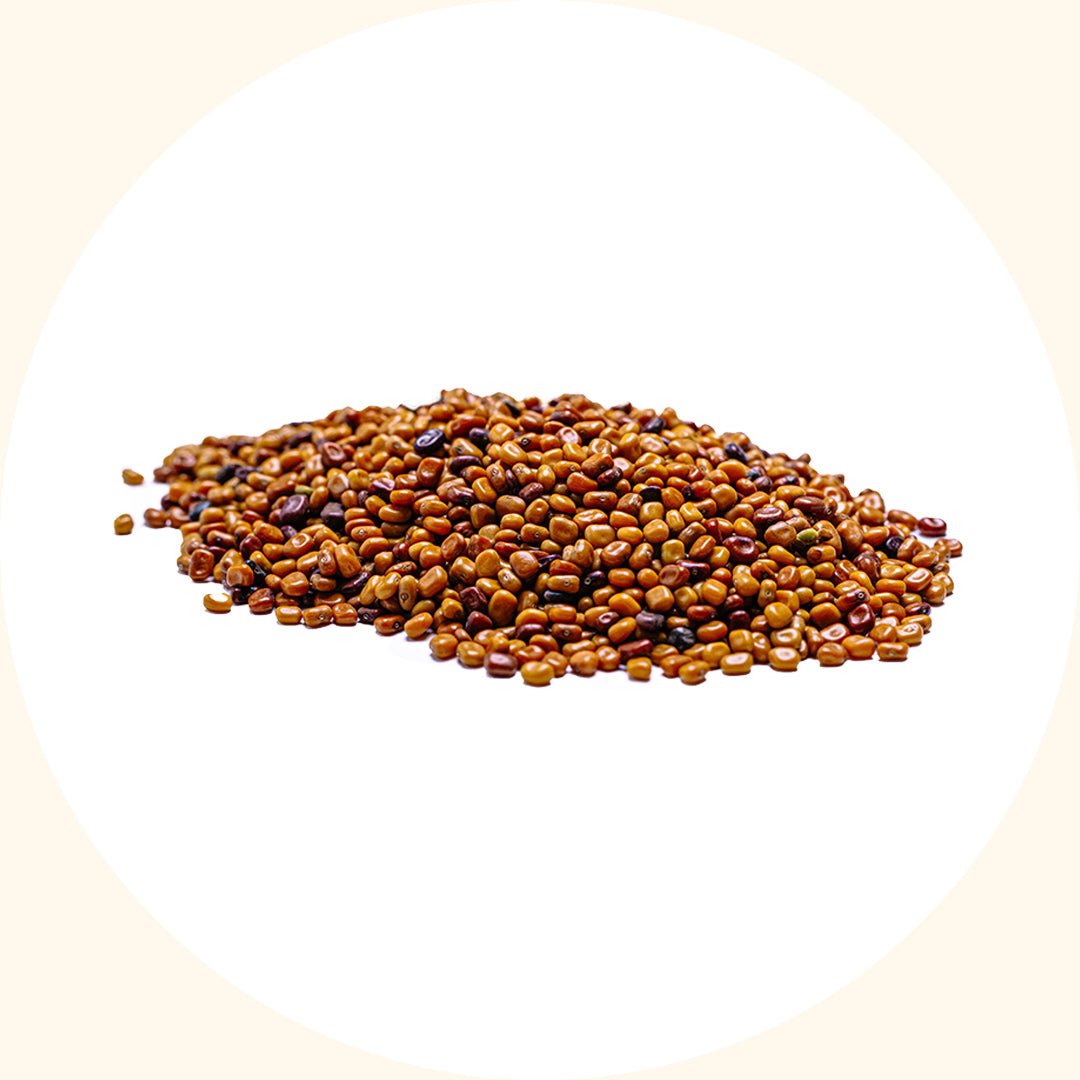
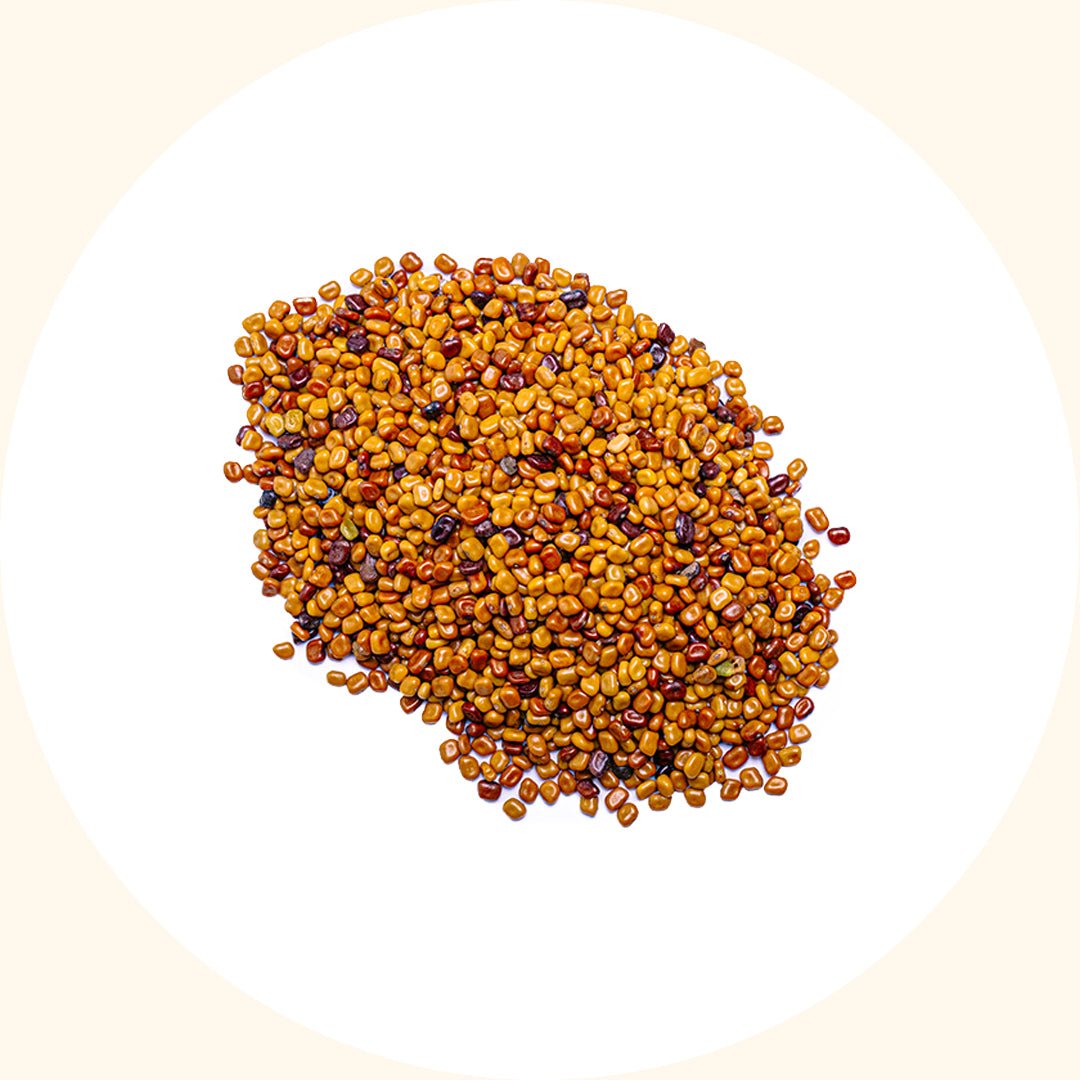
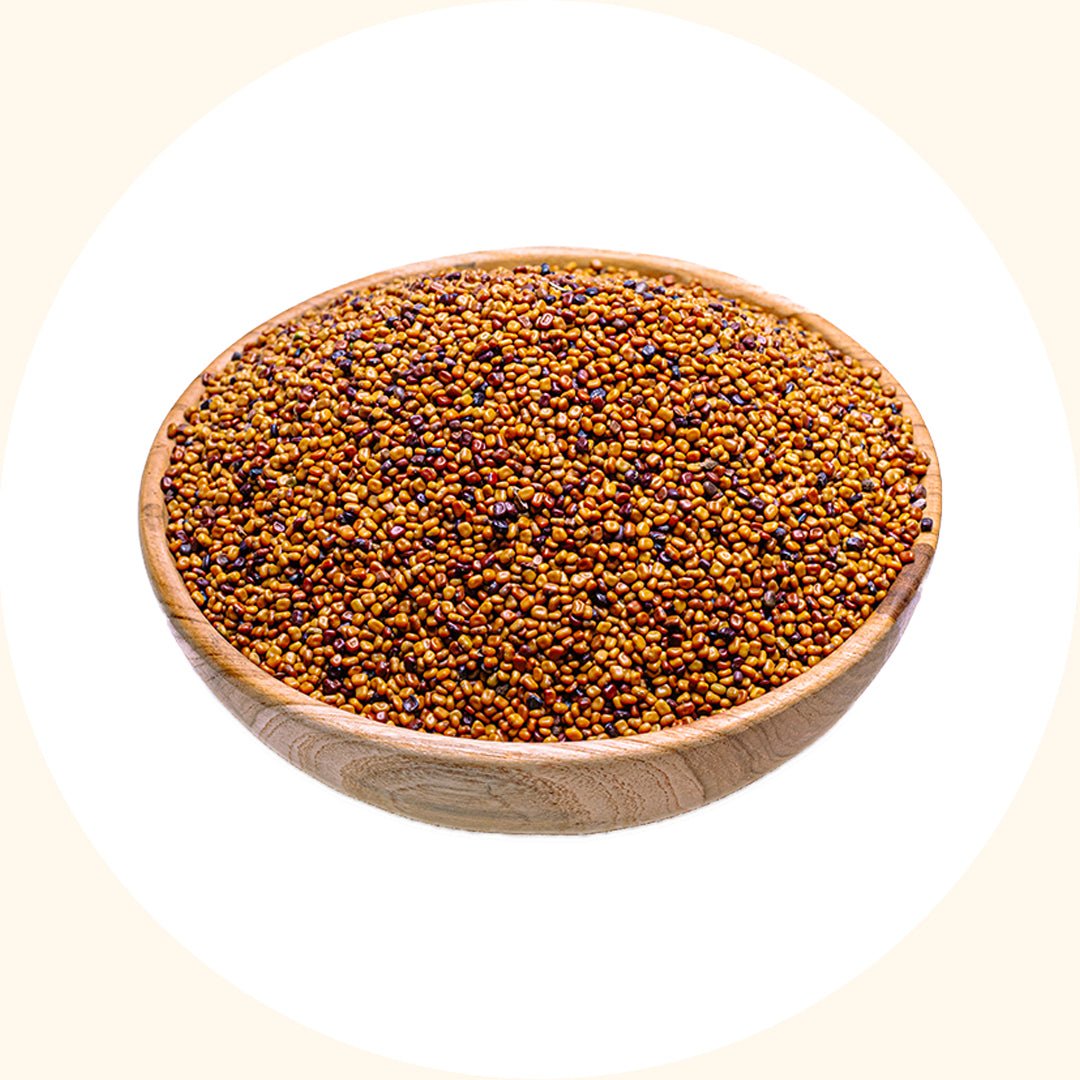
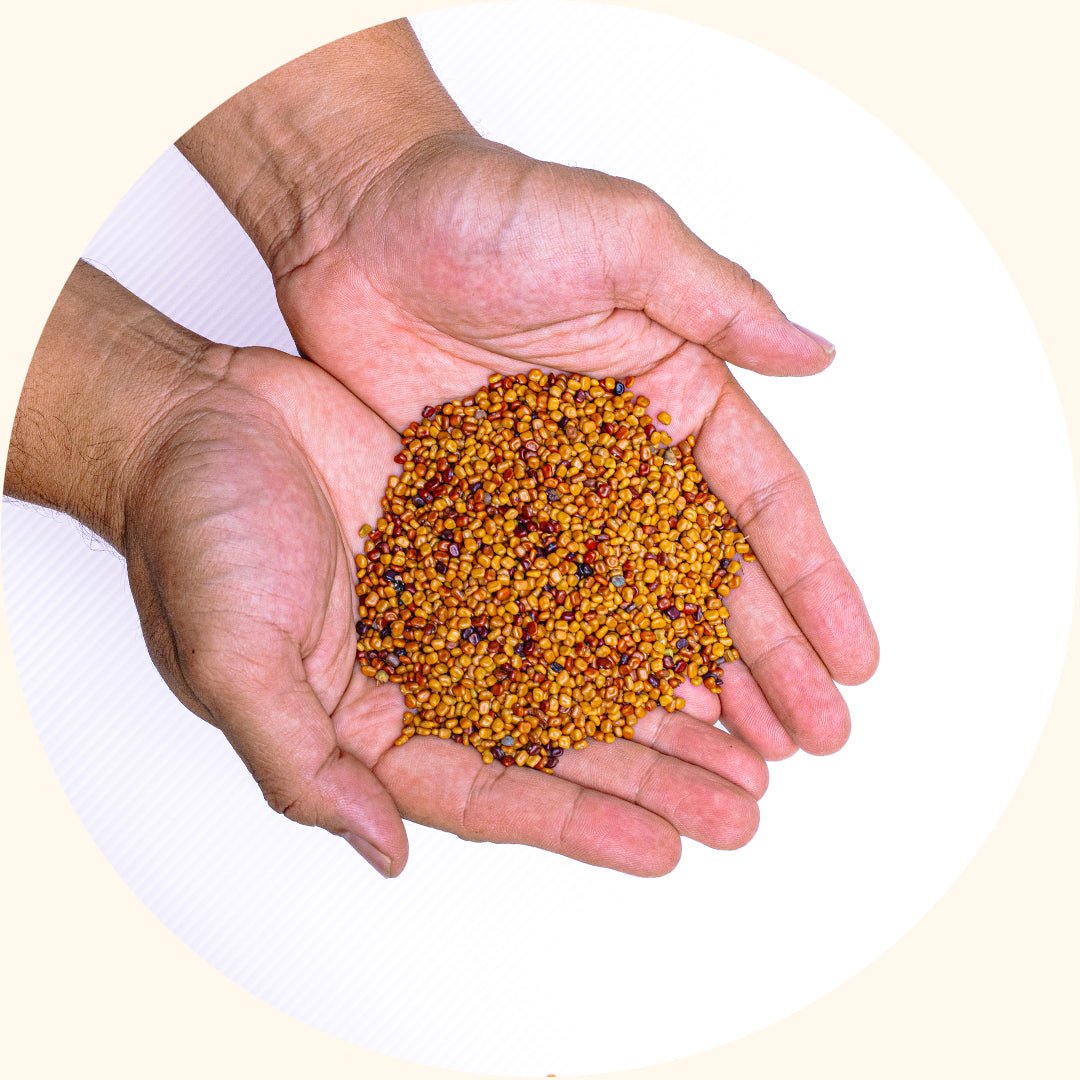
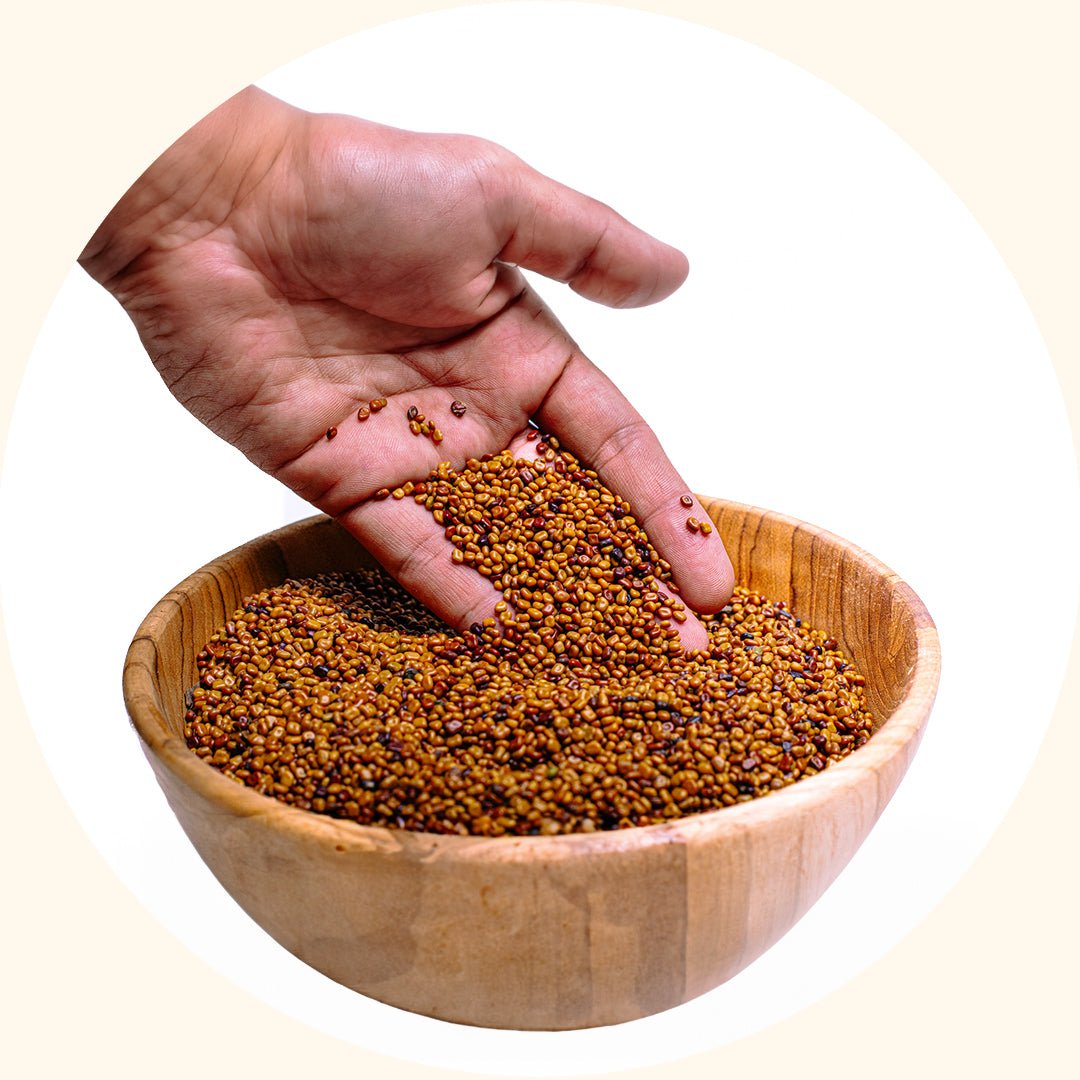
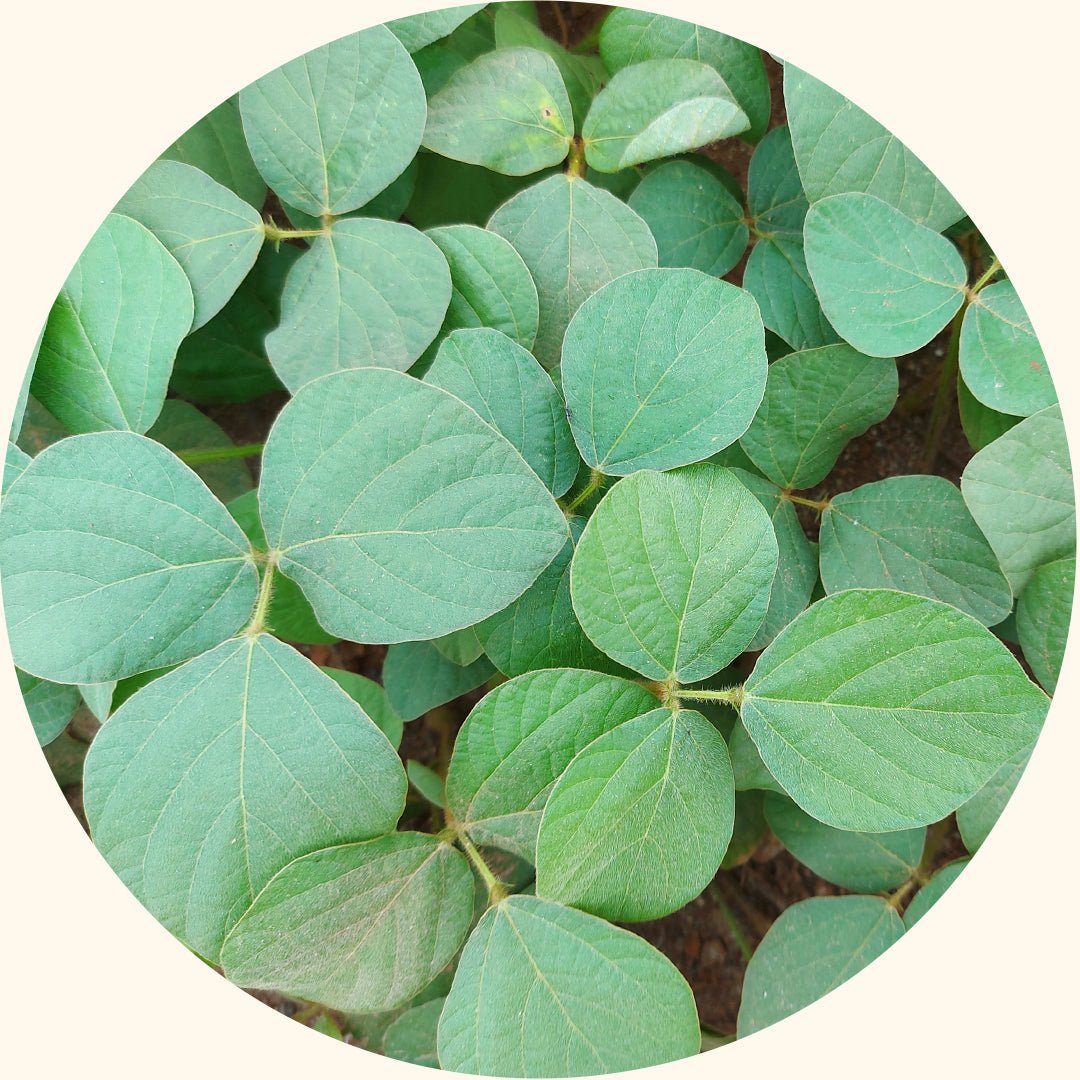
Apakah Calopogonium mucunoides (CM) dan untuk siapa?
Calopogonium mucunoides ialah kekacang menjalar yang cepat tumbuh mantap, digunakan sebagai tanaman penutup bumi perintis di ladang kelapa sawit, getah dan kelapa. Ia menutupi tanah 3 hingga 6 bulan selepas disemai, lebih awal di tanah subur yang baru dibuka, dan membentuk litupan padat pada 4 hingga 5 bulan (PROSEA 11), menjadikannya berguna untuk menekan rumpai pada peringkat awal dan melindungi tanah. CM tahan tanah liat berasid. Walau bagaimanapun, CM berumur pendek, kira-kira 1 hingga 2 tahun, dan biasanya merupakan spesies pertama yang hilang akibat teduhan dalam campuran, serta tidak tumbuh dengan baik dalam keadaan kering yang berpanjangan atau teduhan tebal.
Fakta ringkas: Calopogonium mucunoides (CM)
| Nama saintifik | Calopogonium mucunoides |
|---|---|
| Tabiat pertumbuhan | Kekacang semusim hingga saka berumur pendek yang menjalar/membelit |
| Kadar semaian (diterbitkan) | Tiada kadar diterbitkan untuk tanaman tunggal; disemai dalam campuran seperti calopo:centro:kudzu 5:4:1 pada 2 hingga 5 kg/ha di antara barisan (PROSEA 4) |
| Tanah | Tanah liat berasid |
| Toleransi teduhan | Sederhana; yang pertama hilang akibat teduhan dalam campuran |
| Toleransi kemarau | Rendah (lebih suka keadaan tropika yang basah) |
| Kadar pengikatan N tahunan | Tiada kadar khusus spesies yang disahkan |
| Stok N biojisim (kg N/ha) | Belum ditentukan |
| Masa untuk litupan bumi | Menutupi tanah 3 hingga 6 bulan selepas disemai; litupan padat pada 4 hingga 5 bulan (PROSEA 11) |
Di manakah Calopogonium mucunoides (CM) paling sesuai?
Paling sesuai untuk
- Litupan bumi awal yang cepat di kawasan tanaman baharu
- Tanah liat berasid
- Tapak tropika yang basah dengan taburan hujan yang boleh diharap
- Campuran kekacang ladang (biasanya bersama PJ dan CP)
- Litupan basin kelapa (protokol Thomas dan Shantaram 1993)
Kurang sesuai untuk
- Keadaan kering yang berpanjangan
- Keperluan litupan kekal di bawah teduhan tebal
- Tapak yang memerlukan litupan berterusan jangka panjang tanpa penanaman semula
- Litupan tunggal dalam sistem matang berkanopi tertutup
Perkara yang tidak dilakukan oleh Calopogonium mucunoides (CM)
Tiada bukti diterbitkan di sini bahawa CM meningkatkan hasil kopra kelapa atau hasil susu getah. CM hidup kira-kira 1 hingga 2 tahun (PROSEA 11) dan biasanya digantikan oleh spesies yang lebih lama hayatnya dalam campuran. Ia paling berkesan sebagai komponen perintis dalam campuran kekacang dan bukan sebagai litupan kekal tunggal.
Cara penggunaan Calopogonium mucunoides (CM)
Tiada kadar semaian diterbitkan untuk CM sebagai tanaman tunggal dalam senarai bukti kami, jadi kadar untuk tapak anda disahkan dalam sebut harga atau dimasukkan daripada program anda sendiri. Dalam campuran, PROSEA 4 (1992) memberikan calopo:centro:kudzu 5:4:1 atau centro:kudzu 4:1 pada 2 hingga 5 kg/ha di antara barisan. CM tumbuh mantap lebih cepat daripada kebanyakan tanaman penutup bumi kekacang, menjadikannya spesies perintis dalam campuran sementara spesies yang lebih perlahan seperti PJ dan CP tumbuh mantap. Untuk basin kelapa, ikut protokol Thomas dan Shantaram 1993. Skarifikasi boleh meningkatkan keseragaman percambahan.
Apa kata kajian tentang Calopogonium mucunoides (CM)?
- PROSEA 11 (Chen Chin Peng dan Aminah, 1997): CM menutupi tanah 3 hingga 6 bulan selepas disemai, lebih awal di tanah subur yang baru dibuka, membentuk litupan padat pada 4 hingga 5 bulan, hidup 1 hingga 2 tahun, dan merupakan spesies pertama yang tumbuh mantap dan yang pertama hilang akibat teduhan dalam campuran.
- PROSEA 4 ('t Mannetje dan Jones, 1992): campuran calopo:centro:kudzu 5:4:1 atau centro:kudzu 4:1 pada 2 hingga 5 kg/ha di antara barisan.
- Thomas dan Shantaram (1993), CORD 9(1): 34: CM dan PJ ditanam di basin kelapa di tanah laterit di Kerala, India (25 g biji benih bagi setiap basin, bahagian atas dituai 120 hari selepas menyemai).
- Tiada angka nitrogen khusus spesies yang disahkan diterbitkan untuk CM.
Soalan lazim tentang Calopogonium mucunoides (CM)
Berapa cepatkah Calopogonium mucunoides tumbuh berbanding tanaman penutup bumi lain?
CM ialah antara tanaman penutup bumi kekacang yang paling cepat tumbuh untuk ladang tropika. Ia menutupi tanah 3 hingga 6 bulan selepas disemai dan membentuk litupan padat pada 4 hingga 5 bulan (PROSEA 11), lebih awal daripada PJ atau CP, menjadikannya berguna sebagai spesies perintis apabila kawalan rumpai awal menjadi keutamaan.
Apakah rawatan awal biji benih yang diperlukan oleh CM?
Skarifikasi boleh meningkatkan keseragaman percambahan. Skarifikasi mekanikal atau asid membantu mengatasi dormansi biji keras; tanya kami sama ada lot biji benih anda memerlukannya semasa meminta sebut harga.
Adakah Calopogonium mucunoides sesuai untuk tanah berasid?
Ya. CM tahan tanah liat berasid, yang biasa ditemui di banyak kawasan perladangan di Malaysia. Sahkan dengan ujian tanah anda.
Bolehkah CM ditanam sendirian atau perlu dalam campuran?
CM paling berkesan sebagai sebahagian daripada campuran kekacang dan bukan sebagai penutup kekal tunggal. Oleh sebab CM hidup kira-kira 1 hingga 2 tahun (PROSEA 11), menggandingkannya dengan spesies yang lebih lama hayatnya seperti PJ atau CP memberikan litupan awal yang cepat daripada CM dan ketahanan jangka panjang daripada spesies pendampingnya.
Maklumat untuk disertakan dalam pertanyaan anda
Untuk menyediakan sebut harga anda, sila sertakan:
- Tanaman ladang anda (sawit, getah, kelapa)
- Jenis tanah dan anggaran pH
- Corak taburan hujan tahunan
- Keluasan kawasan tanaman dalam hektar
- Sama ada anda bercadang menanam CM sendirian atau dalam campuran
- Lokasi anda (negara dan wilayah)
Minta sebut harga, atau hubungi kami melalui WhatsApp: +60 17-237 4058
Dijual melalui sebut harga sahaja. Harga, pesanan minimum dan tempoh penyediaan disahkan dalam sebut harga.
Chemiseed Sdn. Bhd.
Bandingkan dengan produk berkaitan
Dokumen tersedia
Helaian Data Teknikal (TDS), Sijil Analisis (COA) dengan data percambahan, Helaian Data Keselamatan (SDS) jika berkenaan, dan untuk eksport, sijil fitosanitari yang dikeluarkan oleh Jabatan Pertanian Malaysia (DOA) disediakan atas permintaan. Lot benih diuji percambahan dan ketulenan mengikut kaedah ISTA dan AOSA.
Had dan pertimbangan tapak
Hasil di ladang bergantung pada sistem tanaman, tanah, hujan, kaedah penanaman, kualiti benih, penyimpanan, masa dan pengurusan selepas tanaman tumbuh. Sesuaikan cadangan dengan keadaan tempatan, dan hubungi kami sebelum membuat pesanan jika anda tidak pasti tentang kesesuaian tanaman, kadar penggunaan atau kesesuaian tapak.
Menyemai cerun atau benteng?
Di potongan jalan, benteng dan tebing sungai, bentangkan jaring sabut kelapa (coir netting) di atas cerun yang telah ditabur benih supaya hujan lebat tidak menghanyutkan benih sebelum ia bertapak. Jaring dan benih ini boleh dimasukkan dalam satu sebut harga.