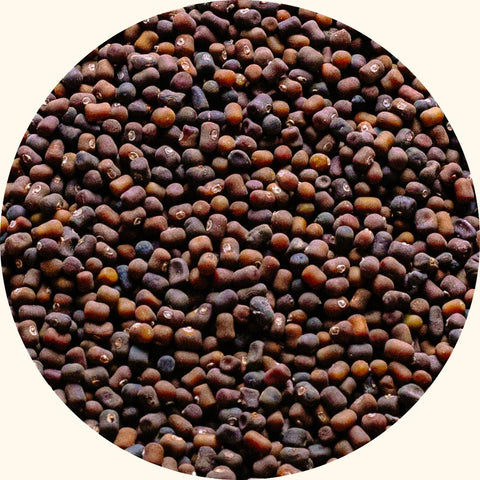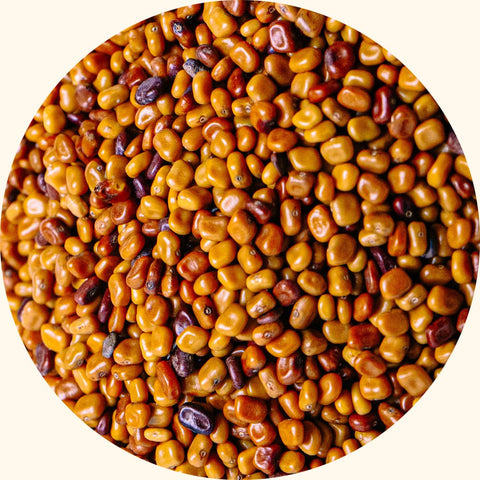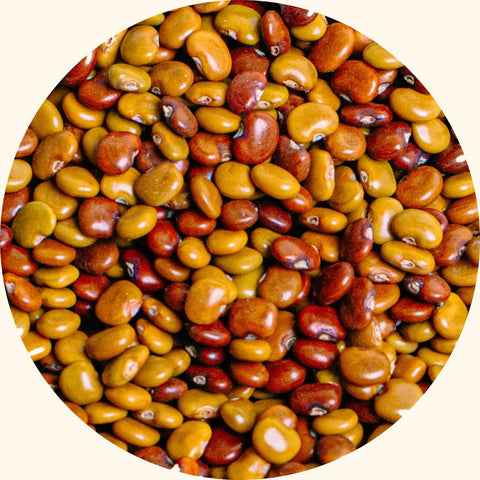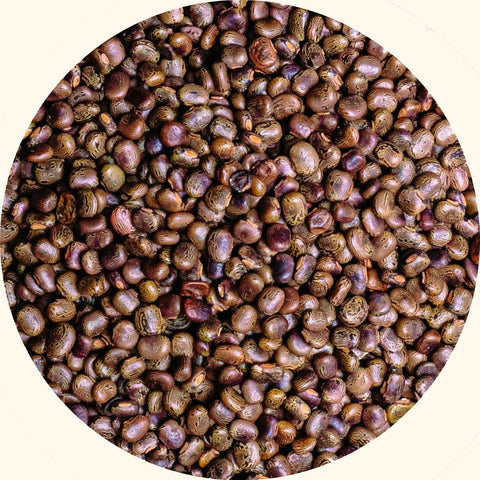

覆盖作物种子 | Calopogonium mucunoides (CM)
自2003年起,我们一直从马来西亚的可靠供应商处采购罂粟属植物(Calopogonium mucunoides,简称CM)种子。这是一种生长迅速、能固氮的覆盖作物,适用于年轻的种植园。
快速事实
植物特征
Trailing annual legume with creeping and twining growth. Establishes quickly, producing dense vegetative cover under rubber and coconut canopies. Adapts well to a range of tropical soil conditions.
USES
Nitrogen fixation, erosion control, soil cover, green manure, and weed suppression. Established as a basin legume in coconut systems, Calopogonium mucunoides contributes 27.21 kg of biomass and 186.5 g of nitrogen per basin (Thomas & Shantaram, 1993) — and alongside Pueraria javanica, can substitute up to 30% of nitrogen fertiliser requirements in adult coconut.
GROWTH HABIT
Rapid early establishment. Produces 10,773 kg of fresh biomass per hectare at 150 days in Philippine plantation trials. Decomposes at 95.61% within 3 months — making it one of the fastest nutrient-cycling cover crops available for tropical inter-row systems.
PLANTING TYPE & SEEDING RATE
Monoculture or mixture: 3–5 kg/ha
PLANTING METHOD
Direct sowing — broadcast or rows
DRY MATTER PRODUCTION
6–10 t/ha/year
NO. OF SEEDS/KG
~350,000 seeds
数据一览
Data from institutional research in the Philippines and peer-reviewed coconut nutrition studies.
All statistics from institutional and peer-reviewed sources. View Thomas & Shantaram coconut basin study →
准备好改善您的种植园土壤了吗?
获取专业的农艺建议和为您庄园量身定制的报价。自2003年以来,我们的团队已为500多个种植园项目提供支持。